Best Birdwatching Tours for Spotting Elusive Birds of Prey

No items found.
Updated on:
December 17, 2025
Top Birdwatching Tours for Spotting Birds of Prey
Updated on:
December 17, 2025

Best Birdwatching Tours for Spotting Elusive Birds of Prey

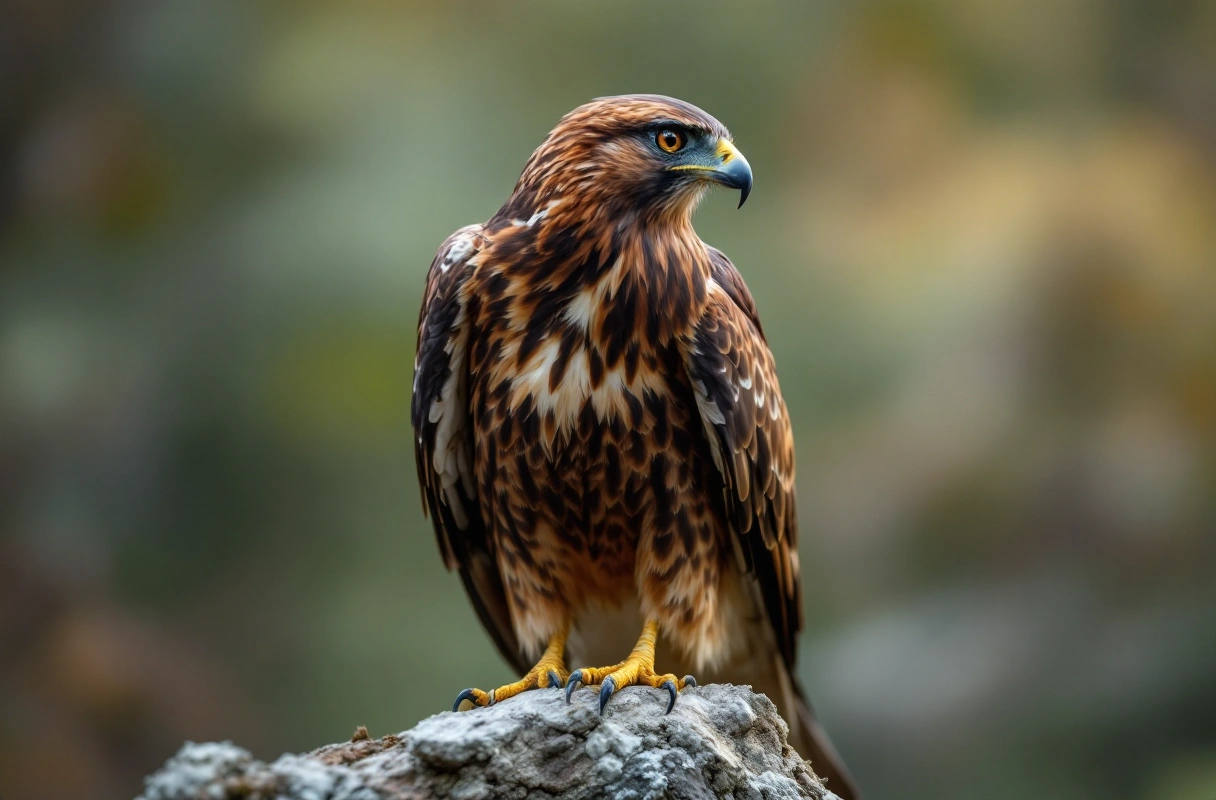
Birdwatching has become an increasingly popular pastime, allowing enthusiasts to connect with nature while observing the fascinating behaviors of avian species. Among the most captivating birds to spot are the raptors, commonly referred to as birds of prey. These majestic creatures, which include eagles, hawks, the peregrine falcon, and owls, are known for their hunting prowess and impressive flight capabilities. In this article, we will explore the best birdwatching tours that focus on spotting these elusive birds of prey, while also providing insights into their behavior and ecology.
Understanding the Behavior of Raptors

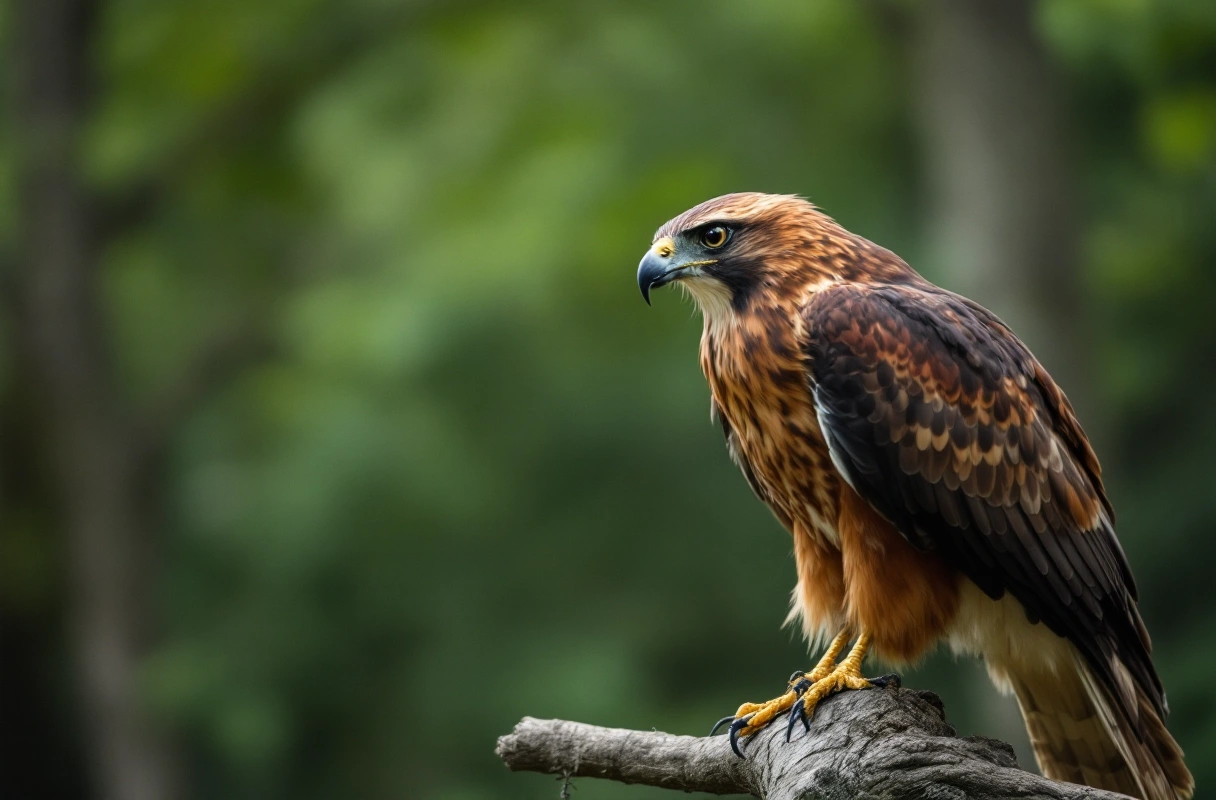
Professional image illustrating Understanding the Behavior of Raptors

The Hunting Techniques of Birds of Prey

Birds of prey exhibit a range of hunting techniques that are finely tuned to their environments and the types of prey they target. These methods can vary significantly between species, showcasing the adaptability and skills of these raptors.

  • Soaring: Many birds of prey, such as eagles and hawks, utilize thermal updrafts to soar high above the ground, scanning the landscape for potential prey. This technique conserves energy and allows them to cover large areas in search of food.
  • Perch Hunting: Some raptors, like kestrels and certain species of hawks, prefer to hunt from a fixed vantage point. They will often perch on a tree branch or pole, waiting patiently for small mammals or birds to come into view.
  • Pursuit: Falcons are known for their remarkable speed and agility. They often engage in high-speed chases, diving towards their prey with incredible precision. The peregrine falcon, for example, can reach speeds over 240 miles per hour during its hunting stoop (high-speed dive).

Understanding these hunting techniques can enhance your birdwatching experience, as you will be better equipped to identify raptors in action and appreciate their unique adaptations.

Social Behavior and Nesting Habits

Raptors exhibit varied social structures and nesting habits that contribute to their survival and reproductive success. These behaviors are crucial for birdwatchers to understand in order to locate and observe these fascinating birds.

  • Territoriality: Many raptors are territorial, especially during the breeding season. They will defend their nesting sites vigorously against intruders, making this an excellent time for birdwatchers to observe courtship displays and nesting activities.
  • Nesting Sites: Birds of prey often choose elevated locations for nesting, such as cliffs, tall trees, or man-made structures. Observing these sites can be rewarding, as it allows birdwatchers to witness parental care and feeding behaviors.
  • Fledging: Young raptors, known as fledglings, often remain dependent on their parents for several weeks after leaving the nest. This stage provides excellent opportunities for birdwatchers to see the challenges young birds face as they learn to hunt and survive on their own.

By familiarizing yourself with the social behaviors and nesting habits of birds of prey, you can significantly increase your chances of spotting these incredible creatures during your birdwatching tours.
Top Birdwatching Tours for Spotting Birds of Prey

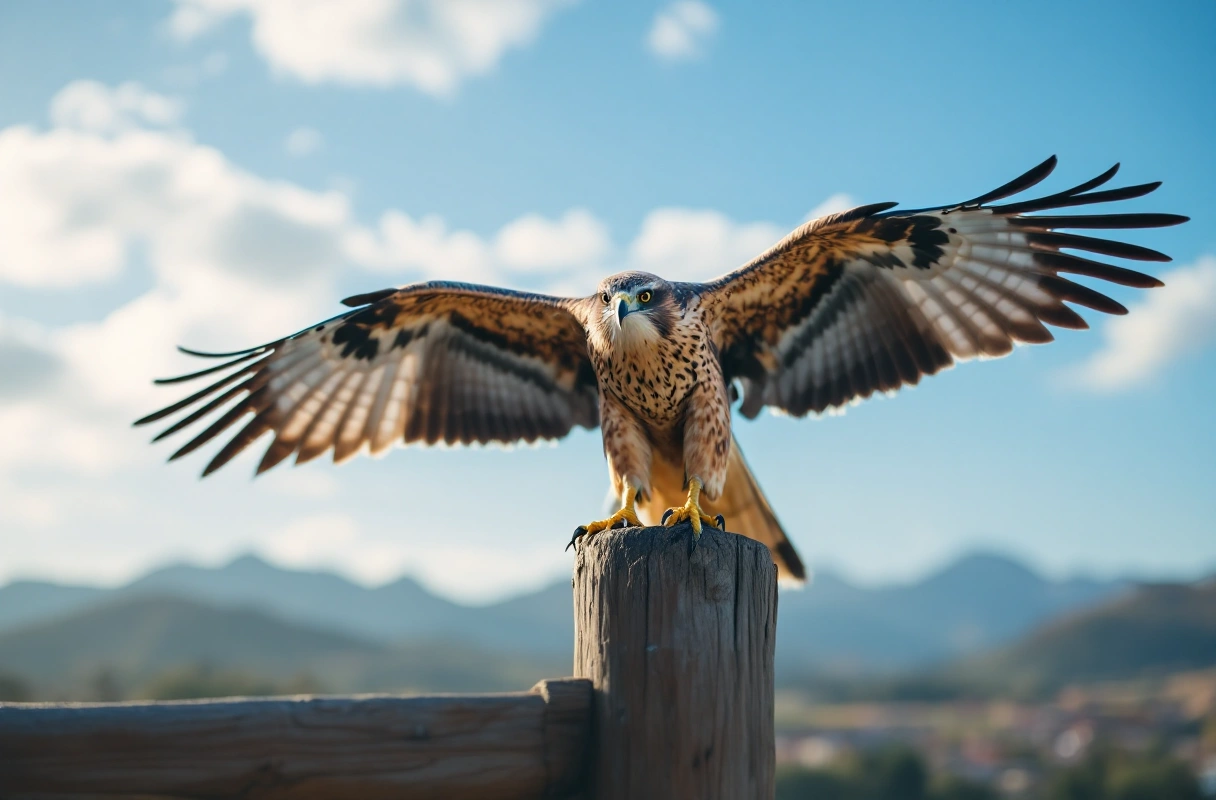
Professional image illustrating Top Birdwatching Tours for Spotting Birds of Prey

When it comes to birdwatching tours, certain locations stand out for their abundance of raptors. Here are some of the best birdwatching tours where enthusiasts can observe these elusive birds of prey in their natural habitats.

1. Hawk Mountain Sanctuary, Pennsylvania

Hawk Mountain Sanctuary is renowned for its impressive raptor migration. Located in the Appalachian Mountains, this sanctuary attracts thousands of migrating hawks, eagles, and falcons each year.

  • Best Time to Visit: The peak migration season occurs from mid-August to late November, with the best viewing opportunities in September and October.
  • Guided Tours: The sanctuary offers guided tours and educational programs, allowing visitors to learn about raptor identification and behavior while enjoying stunning views from the mountain’s lookout points.

2. Bosque del Apache National Wildlife Refuge, New Mexico

The Bosque del Apache National Wildlife Refuge is a vital stopover for migratory birds, including several species of raptors. This refuge provides a unique opportunity to observe birds of prey against the backdrop of the stunning desert landscape.

  • Best Time to Visit: Late fall to early spring is ideal, especially during the annual Festival of the Cranes in November, when thousands of sandhill cranes and raptors are present.
  • Photography Opportunities: The refuge’s diverse habitats, including wetlands and grasslands, create excellent photography opportunities for capturing raptors in action.

3. Everglades National Park, Florida

The Everglades is not only known for its unique ecosystem but also for its diverse bird species, including several impressive birds of prey. The park offers a variety of habitats that attract different raptors throughout the year.

  • Best Time to Visit: The dry season, from December to April, is the best time for birdwatching, as raptors are more easily spotted when the vegetation is less dense.
  • Eco-Tours: Many local guides offer eco-tours that focus on birdwatching, providing insight into the behavior and ecology of the raptors found in the park.

4. Cape May, New Jersey

Cape May is a hotspot for birdwatching, especially during the fall migration. This coastal destination is home to numerous raptors, including ospreys, bald eagles, and various hawk species.

  • Best Time to Visit: The migration season peaks in September and October, making it an ideal time for birdwatching tours focused on raptors.
  • Birding Festivals: Cape May hosts several birding festivals throughout the year, featuring expert-led tours and workshops focused on bird identification and behavior.

5. The Scottish Highlands, Scotland

For those looking to spot birds of prey in a stunning natural setting, the Scottish Highlands offer some of the best opportunities. The region is home to several raptor species, including golden eagles and red kites.

  • Best Time to Visit: Spring and summer are the best times for birdwatching, as raptors are more active and visible during these months.
  • Guided Tours: Many local operators offer guided tours, providing insights into the behavior and conservation efforts surrounding these majestic birds.

By choosing one of these top birdwatching tours, enthusiasts can enhance their chances of spotting birds of prey while enjoying the beauty of nature.
Common Misconceptions About Birds of Prey

Professional image illustrating Common Misconceptions About Birds of Prey

Birds of prey are often surrounded by myths and misconceptions. Addressing these misunderstandings can help birdwatchers gain a deeper appreciation for these incredible creatures.

Misconception 1: All Birds of Prey Are Aggressive

Many people assume that birds of prey are inherently aggressive, but this is a misconception. While they are skilled hunters, their behavior is often dictated by the need to survive rather than aggression. Most raptors are wary of humans and will avoid confrontation unless threatened.

Misconception 2: All Raptors Are Large Birds

While many birds of prey, such as eagles and hawks, are large, there are also smaller species like kestrels and merlins. Understanding that raptors come in various sizes can enhance birdwatching experiences, as enthusiasts can learn to identify a wider range of species.

Misconception 3: Raptors Only Hunt During the Day

While many birds of prey, such as hawks and eagles, are diurnal (active during the day), others, like owls, are nocturnal. This diversity in activity patterns means that birdwatchers can observe raptors at different times of the day depending on the species.

By dispelling these misconceptions, birdwatchers can approach their experiences with a more informed perspective, ultimately enhancing their enjoyment and understanding of birds of prey.

Tips for Successful Birdwatching Tours

To maximize your birdwatching experience and increase the chances of spotting elusive birds of prey, consider the following tips:

Preparation and Equipment

  • Research Locations: Familiarize yourself with the best birdwatching locations for raptors and their peak migration times. Understanding local species can help you know what to expect.
  • Invest in Quality Gear: Binoculars and spotting scopes are essential for birdwatching. Choose equipment that offers clear optics and a comfortable grip for extended use.
  • Dress Appropriately: Wear weather-appropriate clothing and comfortable footwear, as birdwatching often involves hiking or walking through varying terrains.

Observation Techniques

  • Be Patient: Raptors can be elusive, so patience is key. Spend time in one location and remain quiet to increase your chances of spotting them.
  • Use Field Guides: Bring along field guides or apps to help identify different raptor species. Familiarizing yourself with their calls, plumage, and behavior can enhance your birdwatching skills.
  • Join Guided Tours: Consider joining organized birdwatching tours led by experienced guides who can share their knowledge about raptors and help you spot them more effectively.

By following these tips, birdwatchers can enhance their overall experience and increase their chances of successfully spotting birds of prey during their tours.

Connecting with the Community of Birdwatchers

Engaging with fellow birdwatching enthusiasts can enhance your experience and provide valuable insights into birds of prey. Many communities and organizations focus on birdwatching, offering resources and events for enthusiasts of all skill levels.

  • Join Local Birdwatching Clubs: Many areas have clubs that organize regular outings, workshops, and educational programs. This is a great way to meet like-minded individuals and learn from experienced birders.
  • Participate in Citizen Science Projects: Contributing to citizen science projects, such as the Audubon Society's annual Christmas Bird Count, helps collect valuable data on bird populations and can deepen your connection to birdwatching.
  • Attend Birding Festivals: Many regions host birding festivals that feature expert speakers, workshops, and guided tours. These events are excellent opportunities to learn more about birds of prey and connect with other birdwatchers.

By connecting with the birdwatching community, enthusiasts can expand their knowledge and share their passion for birds of prey.

The Intersection of Birds of Prey and the Banana Slug Club

As you explore the world of birds of prey through the best birdwatching tours, consider how organizations like Banana Slug Club can enhance your experience. With a commitment to conservation and education, Banana Slug Club provides valuable resources and events for nature enthusiasts.

By learning about the behaviors and habitats of birds of prey, you can contribute to their conservation and appreciate the role they play in our ecosystems. Engaging with Banana Slug Club can further enhance your understanding and connection to these remarkable creatures.

To dive deeper into the world of birdwatching and birdwatching enthusiasts, contact Banana Slug Club for more information about upcoming events, resources, and opportunities to connect with fellow enthusiasts. Visit Banana Slug Club today to learn more about how you can get involved in the exciting world of birdwatching.

Join the Banana Slug Club!

Get free resources, early access to new features and updates.
No spam. Just fun educational emails!