Birdwatching is a beloved pastime for many nature enthusiasts, and observing birds of prey during their migration can be one of the most exhilarating experiences. These magnificent birds, including eagles, hawks, and falcons, undertake remarkable journeys that showcase their strength and resilience. Understanding the best locations for observing these majestic creatures during migration can enhance your birdwatching adventures and provide unforgettable memories.
In this article, we will explore the top birding spots for observing birds of prey migration, best practices for bird photography in the wild, and valuable insights for making the most of your birdwatching tours. Whether you're a seasoned birdwatcher or a novice eager to learn more, this guide will equip you with essential knowledge for an enriching experience.
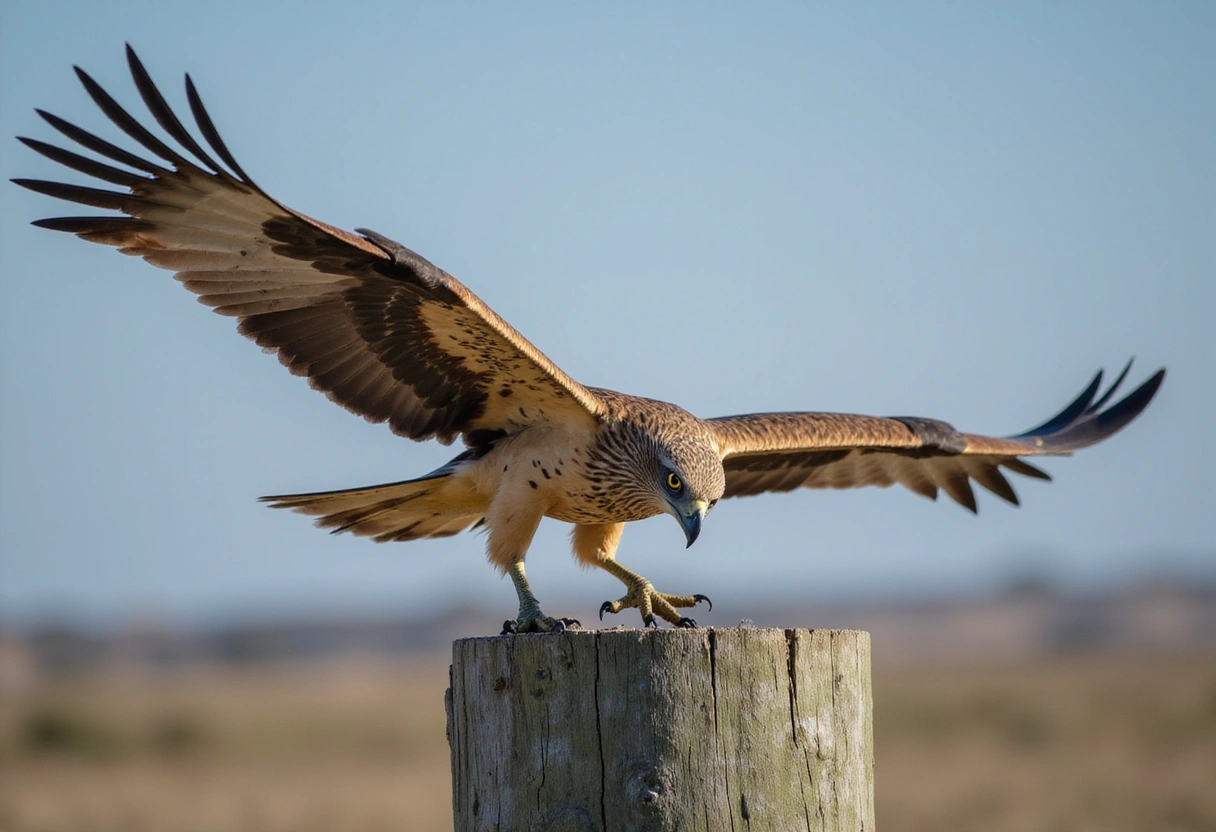
When planning your birdwatching tours, selecting the right locations is crucial for maximizing your chances of witnessing birds of prey in action. Here are some of the best spots renowned for their migratory activities:
Hawk Mountain Sanctuary is a premier destination for birders seeking to observe raptors during migration. Located in the Appalachian Mountains, this sanctuary provides a unique vantage point for spotting a variety of birds of prey, including the iconic peregrine falcon and the red-tailed hawk.
Cape May is a well-known hotspot for birding enthusiasts, especially during the fall migration season. Its strategic location at the southern tip of New Jersey allows for a convergence of migratory routes, drawing in an impressive number of birds of prey.
Point Pelee National Park is a must-visit for birdwatchers, particularly those interested in raptors. This national park serves as a critical stopover point for migratory birds traveling along the Great Lakes.
The San Francisco Bay Area offers diverse ecosystems that attract a variety of birds of prey. Locations such as the Don Edwards San Francisco Bay National Wildlife Refuge provide excellent opportunities for observing these magnificent birds.
The Rio Grande Valley is another excellent location for observing birds of prey, particularly during the spring and fall migrations. The region's unique blend of habitats, including wetlands and grasslands, supports a rich diversity of wildlife.
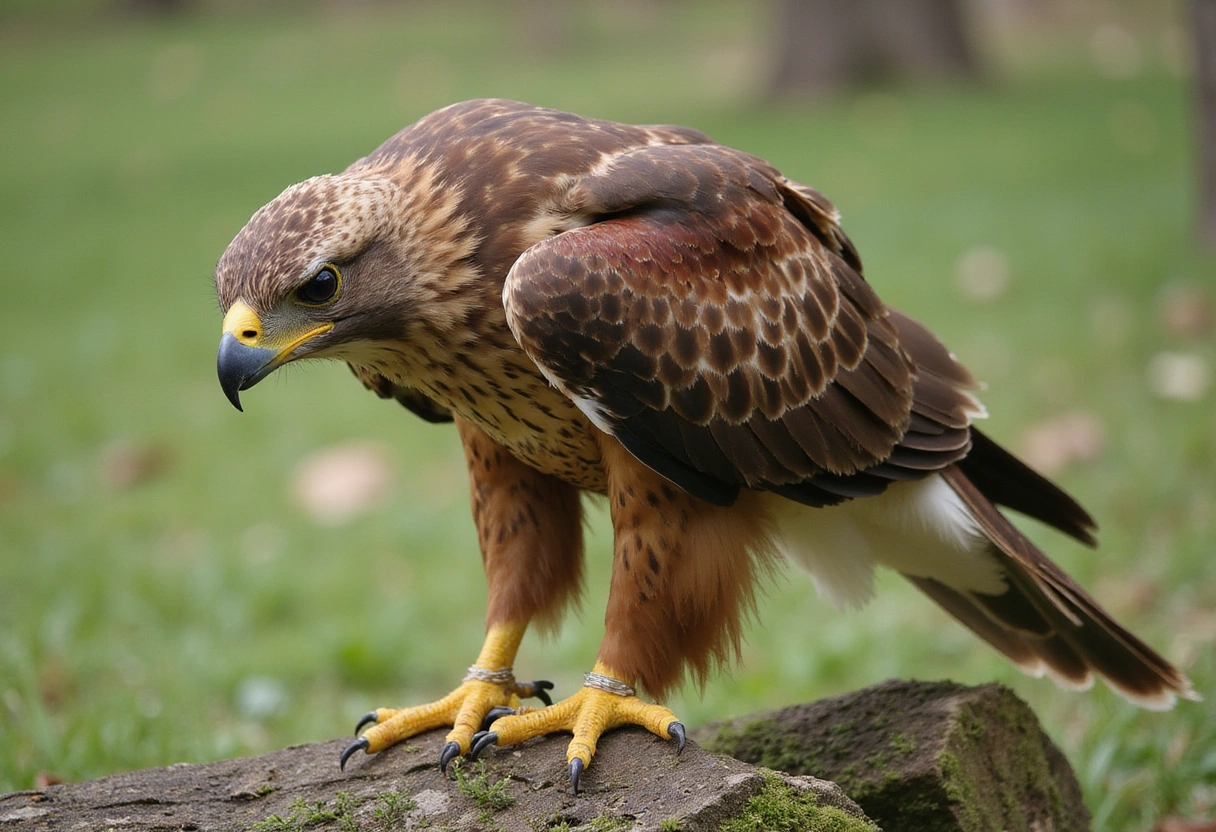
Capturing stunning images of birds of prey requires a combination of skill, patience, and respect for wildlife. Here are some best practices to enhance your bird photography while minimizing disturbance to the birds and their habitats.
Before heading out with your camera, it's essential to familiarize yourself with the behavior of the birds of prey you aim to photograph.
Investing in quality photography equipment is crucial for capturing the beauty of birds in flight. Here are some essential items to consider:
Respect for wildlife and their habitats is paramount when engaging in bird photography. Here are some ethical considerations to keep in mind:
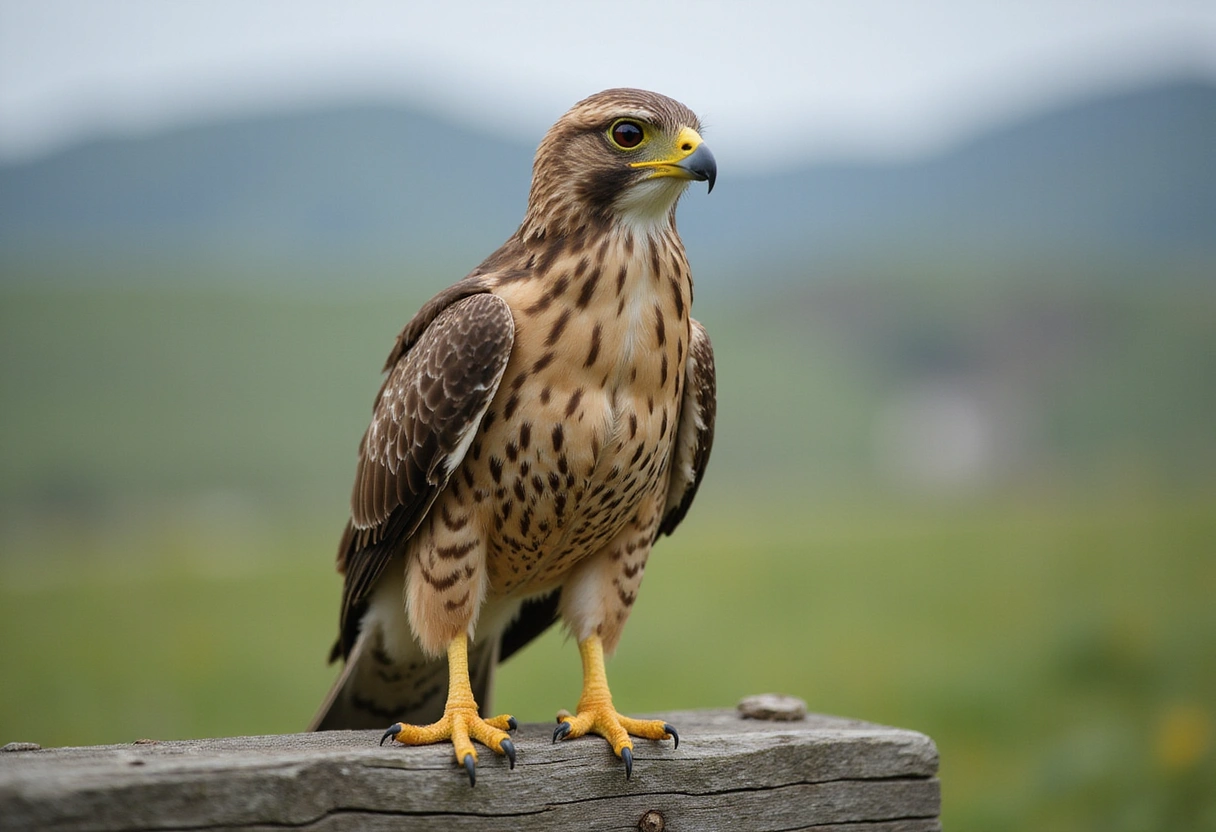
Maximizing your birdwatching experience requires careful planning and execution. Here are some actionable insights to ensure a successful outing:
Understanding the migratory patterns of birds of prey can help you select the best times to visit specific locations. Use online resources and local birding groups to stay updated on sightings and peak migration periods.
Participating in organized birdwatching tours can enhance your experience and provide valuable insights from experienced guides.
Maintaining a field journal can enhance your birdwatching experience and help you track your observations over time.
Even seasoned birdwatchers can fall prey to common mistakes that can detract from their experience. Here are some pitfalls to avoid:
Before embarking on your birdwatching adventure, familiarize yourself with local regulations and guidelines.
Being unprepared can significantly impact your birdwatching experience. Always ensure you have the necessary gear:
Weather can greatly affect bird activity. Be mindful of the following:
As you embark on your birdwatching journey, remember that your passion for observing birds of prey can contribute to broader conservation efforts. The Banana Slug Club is dedicated to fostering an appreciation for nature and promoting awareness of the importance of preserving habitats for wildlife.
By joining the Banana Slug Club, you can connect with like-minded individuals who share your enthusiasm for nature, science, and the great outdoors. Our organization offers various educational resources, events, and community initiatives that allow you to deepen your knowledge about birds and their ecosystems.
Birdwatching not only enriches your understanding of the natural world but also empowers you to advocate for conservation efforts. We encourage you to visit our website or contact us for more information on how you can get involved and make a difference.
By exploring the best birding spots for observing birds of prey migration and practicing ethical birdwatching, you can create meaningful experiences that resonate with your love for nature. Together, we can inspire future generations to appreciate and protect the incredible diversity of wildlife that surrounds us.
Get free resources, early access to new features and updates.
No spam. Just fun educational emails!


.svg)
.svg)