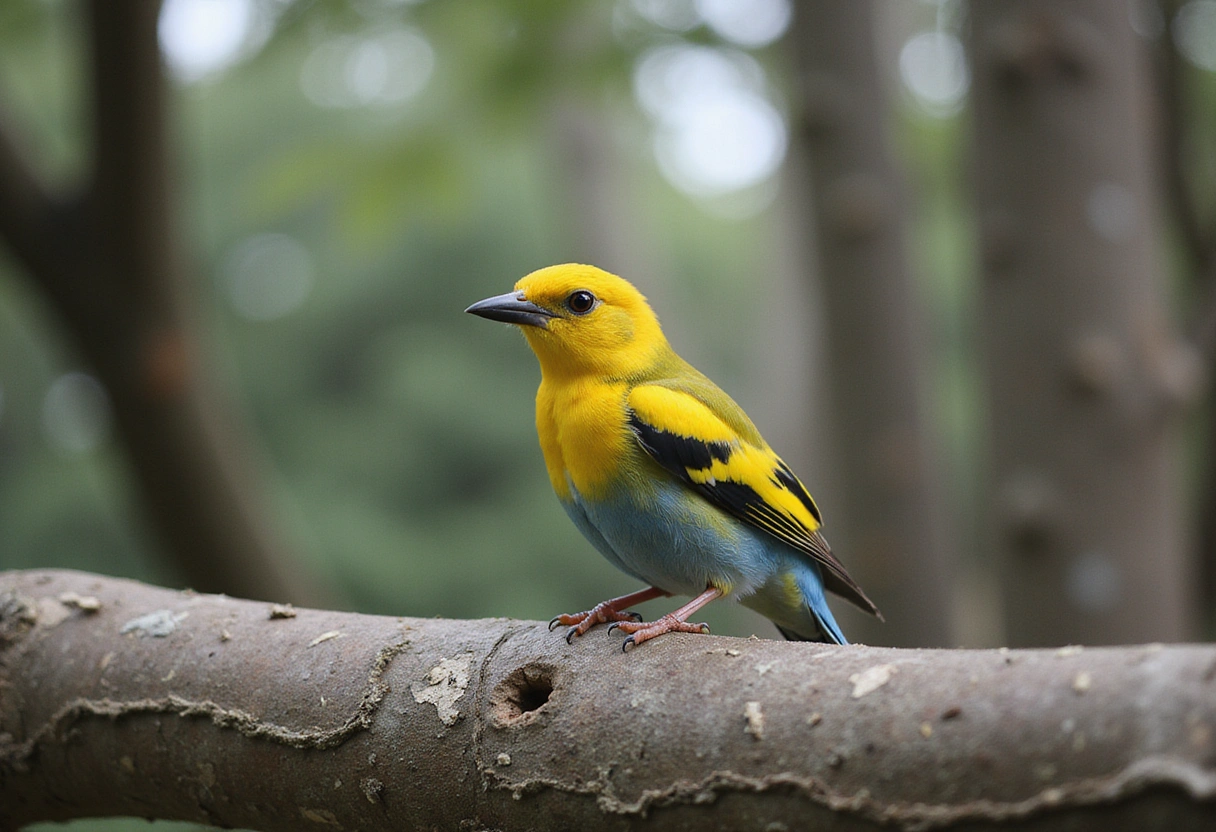
Birdwatching is a fulfilling and educational hobby that connects people with nature. Understanding bird species identification requires a blend of observation, knowledge, and an appreciation for the diversity of avian life. This guide will explore essential bird facts, delve into common bird behaviors, and highlight the top ten fascinating bird migration patterns that every beginner should know. Whether you're a nature enthusiast, a student eager to learn, or a curious child, this comprehensive resource is designed to enhance your birdwatching experience.
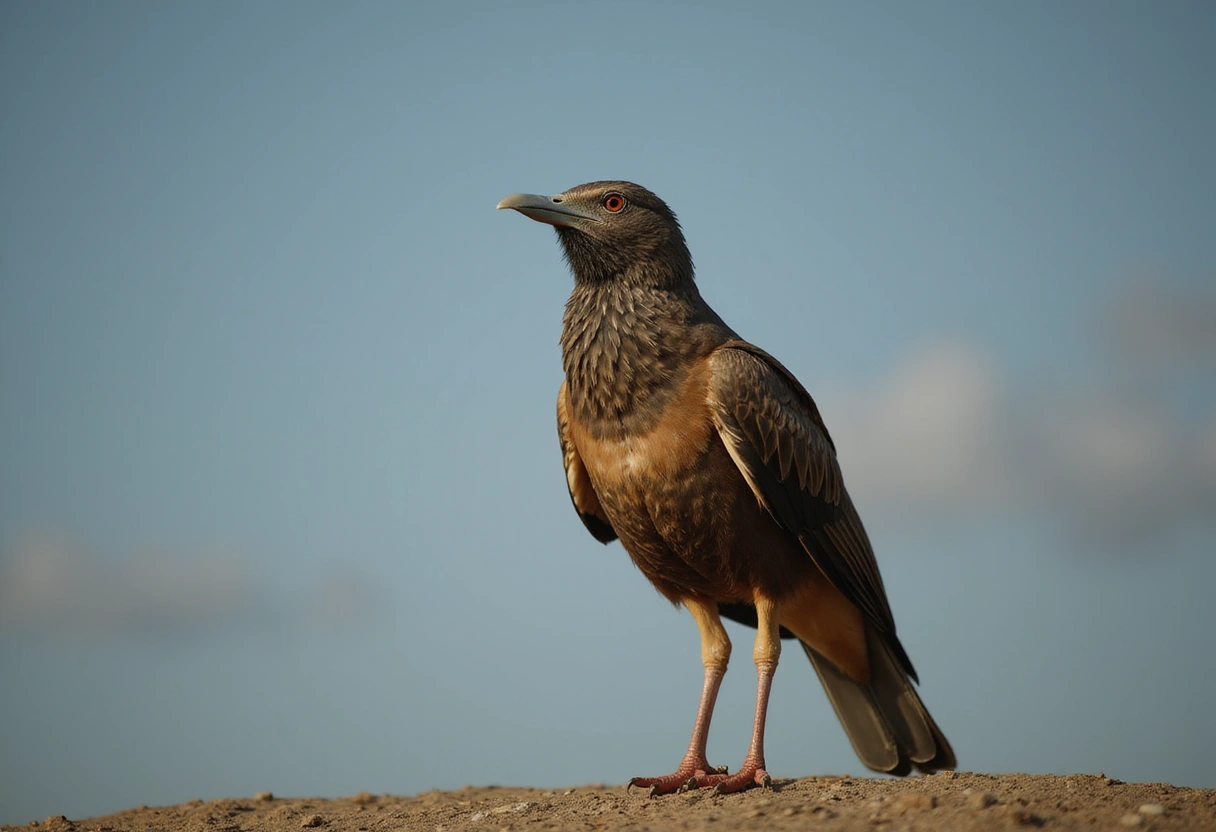
Bird facts are critical for anyone interested in identifying species accurately. They encompass a variety of characteristics, including physical traits, behaviors, habitats, and vocalizations. Knowledge of these facts allows birdwatchers to distinguish between similar species, making the identification process much more manageable. For example, recognizing the differences in wing shape and coloration can help differentiate between two species of warblers that might appear similar at first glance.
Moreover, bird facts can provide insight into the ecological roles birds play. Understanding their feeding habits, nesting behaviors, and migration patterns can enrich your birdwatching experience. You might observe a specific bird's feeding techniques and learn about its preferred diet, which can be fascinating and informative.
Bird behaviors often offer the most telling clues for identification. Here are some common behaviors to look for:
By observing these behaviors closely, birdwatchers can develop a deeper understanding of their avian neighbors and the environments they inhabit.
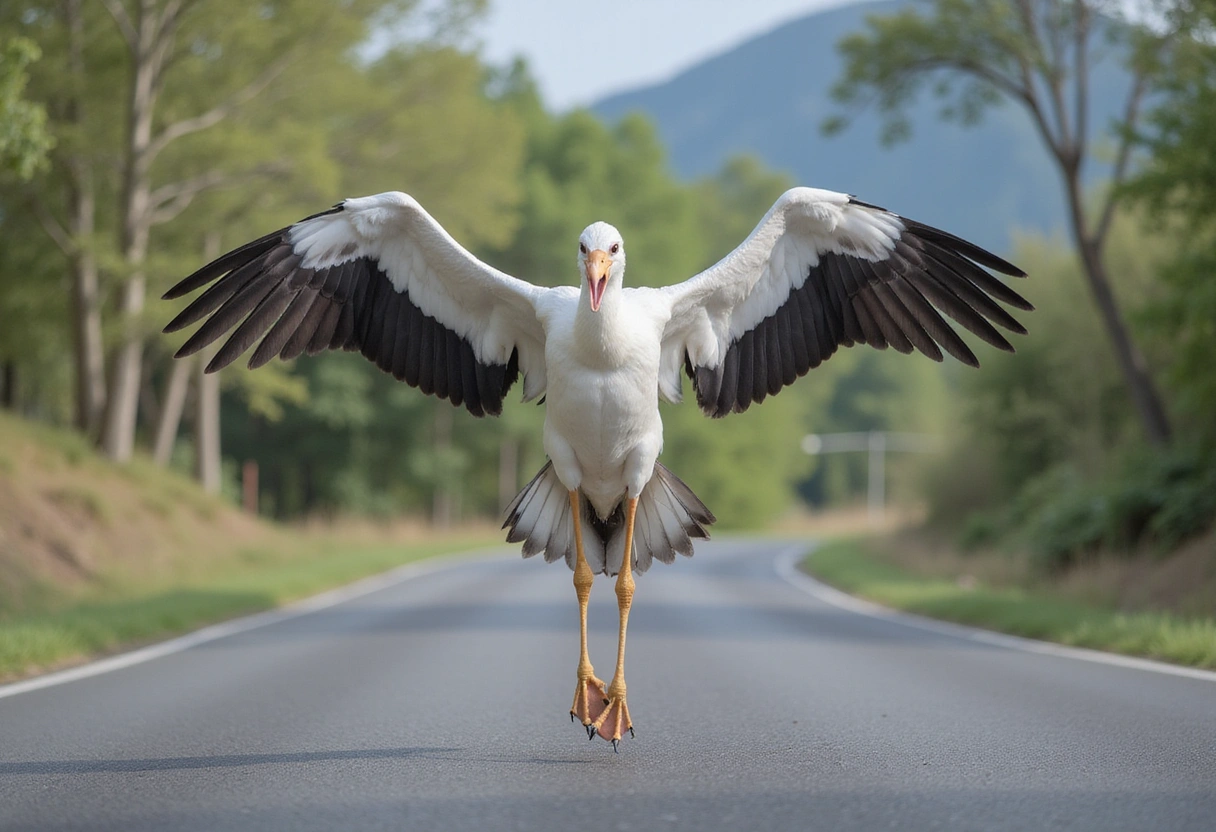
Bird migration is one of the most remarkable phenomena in nature, showcasing the endurance and adaptability of these creatures. Understanding these migration patterns can enhance your birdwatching experience and deepen your appreciation for avian life. Below are ten fascinating migration patterns that illustrate the diversity of avian migration.
The Arctic tern holds the record for the longest migration of any bird species, traveling approximately 71,000 kilometers (44,000 miles) annually. They migrate from their breeding grounds in the Arctic to wintering sites in the Antarctic, experiencing two summers each year. This remarkable journey exemplifies the lengths birds will go to find food and breeding opportunities.
The bar-tailed godwit is known for its non-stop flight from Alaska to New Zealand, covering around 12,200 kilometers (7,500 miles) without stopping. This incredible endurance showcases the bird's physiological adaptations, enabling it to store fat reserves and maintain energy during long flights.
Sandhill cranes undertake one of the most spectacular migrations in North America, traveling from their breeding grounds in Canada and the northern United States to winter in the southern United States and Mexico. Their migratory routes are often marked by large gatherings, creating breathtaking sights as thousands of cranes take to the skies.
Despite its small size, the ruby-throated hummingbird migrates over 3,000 kilometers (1,800 miles) from North America to Central America each year. These birds are known for their impressive flying abilities, including hovering and rapid acceleration, which aid them in their long journeys.
European swallows migrate from Europe to Africa, covering distances of up to 10,000 kilometers (6,200 miles). They are known for their acrobatic flying skills and are often seen in large flocks during migration. Their journey is a remarkable display of teamwork and social behavior.
The Pacific Flyway is a major migration route for many bird species, including ducks, geese, and shorebirds. This route stretches from Alaska down to Central America, providing vital stopover points for birds to rest and refuel during their long migrations.
American woodcocks migrate from their breeding grounds in the northeastern United States to the southern states in search of warmer climates. Their migration is often characterized by their unique display flight, where males perform aerial displays to attract females.
Blackpoll warblers are known for their remarkable migration strategy, flying non-stop over the Atlantic Ocean from the eastern United States to South America. They can cover up to 2,000 miles without stopping, using their innate navigation skills to find their way.
Whooping cranes undertake a migration of approximately 3,000 kilometers (1,900 miles) from their breeding grounds in Canada to wintering areas in Texas. Conservation efforts have helped this species recover from near extinction, highlighting the importance of protecting migratory routes and habitats.
The Atlantic Flyway is another critical migration route, stretching from the Canadian Arctic down to the Caribbean. It supports a diverse array of bird species, including waterfowl and shorebirds, and is vital for their survival during migration.
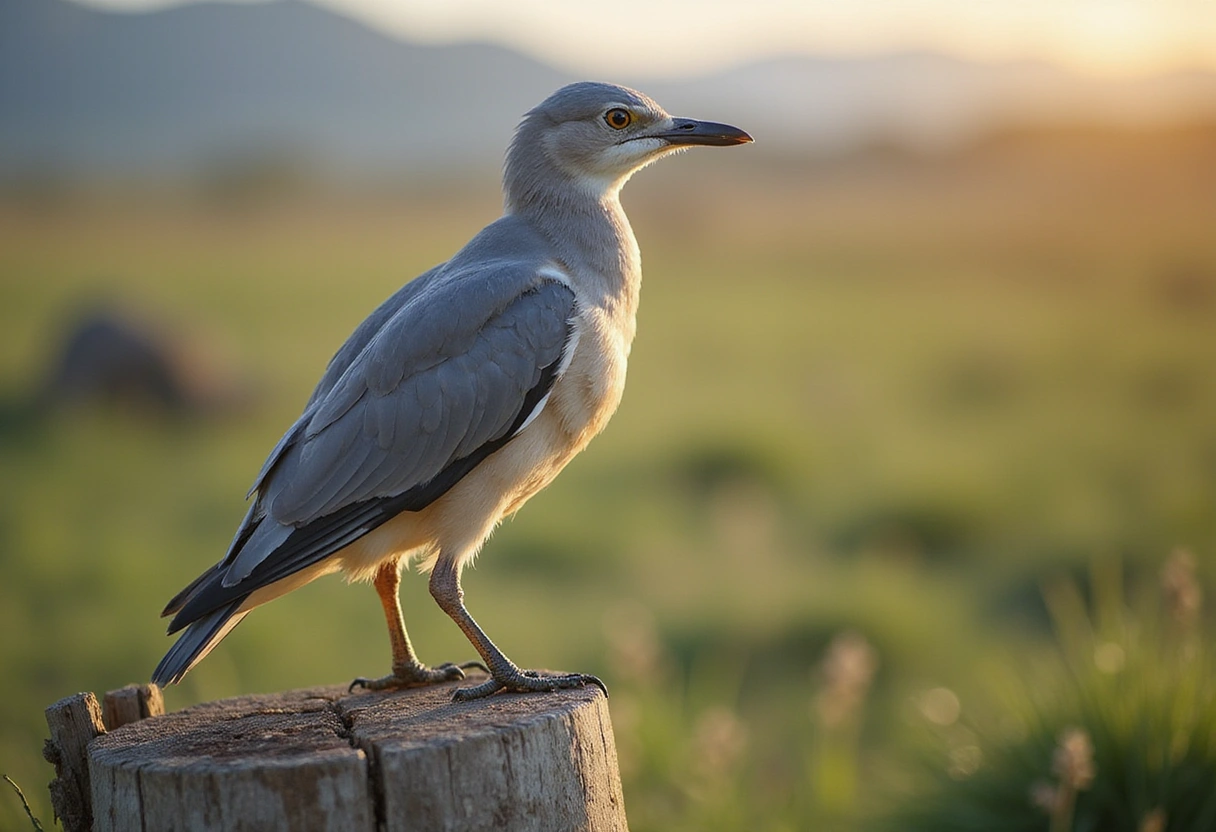
To effectively identify bird species using the bird facts discussed, consider the following actionable tips:
Invest in a Field Guide: A good field guide specific to your region can provide valuable information on bird identification. Look for one that includes images, descriptions, and range maps.
Use Binoculars for Better Observation: Quality binoculars can enhance your ability to observe birds from a distance, allowing you to see details that aid in identification.
Keep a Bird Journal: Document your observations, including dates, locations, and species identified. This practice will improve your skills and help you notice patterns over time.
Join a Birdwatching Group: Connecting with other birdwatchers can provide support, knowledge, and opportunities for shared experiences.
Utilize Technology: Mobile apps can help identify birds by sound and appearance. Consider apps that allow you to record sightings and share them with a community.
Birdwatching is not only a rewarding hobby but also offers several benefits for beginners:
By engaging in birdwatching, beginners can cultivate a lifelong passion for nature and contribute to conservation efforts.
Understanding bird facts and their behaviors is a stepping stone toward becoming an informed birdwatcher. As you embark on your journey of bird species identification, consider how organizations like Banana Slug Club can enhance your experience. With a focus on education and community involvement, Banana Slug Club provides resources and opportunities for nature enthusiasts, students, and children eager to learn more about the world around them.
If you are excited about exploring bird facts further, visiting our website can provide you with additional resources and information. Whether you are interested in local birdwatching events or educational materials, we are here to support your journey into the avian world. Join us in celebrating the wonders of nature and discover how you can make a difference in your community.
With this guide, you are now equipped with essential knowledge about bird species identification. Embrace the beauty of the avian world and let your curiosity lead the way.
Get free resources, early access to new features and updates.
No spam. Just fun educational emails!


.svg)
.svg)