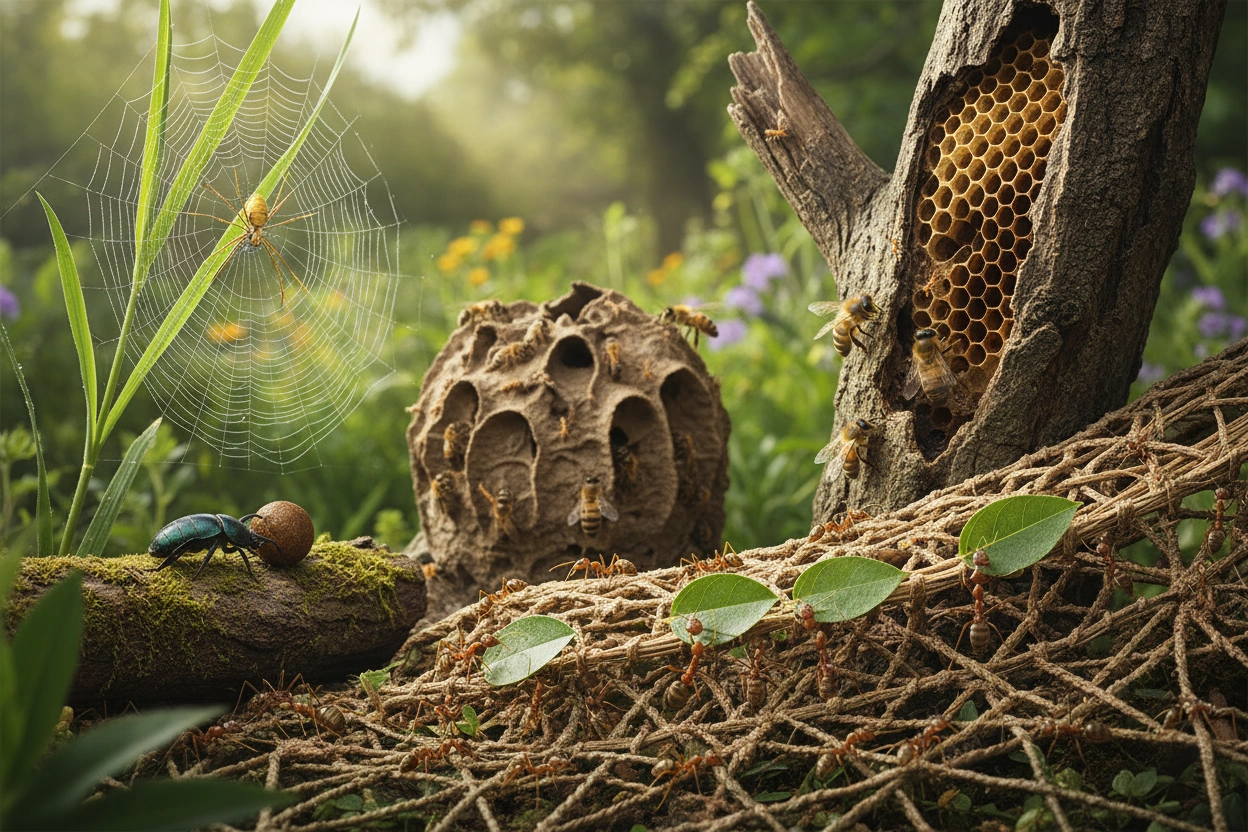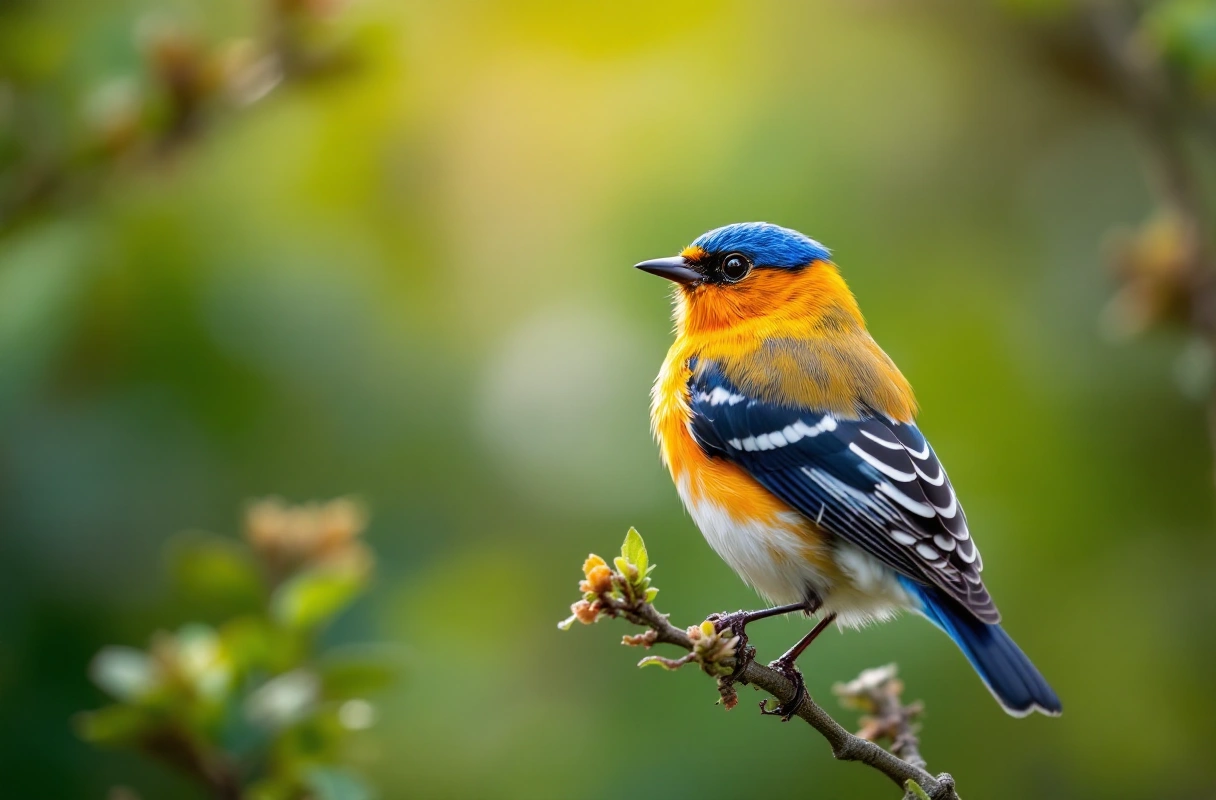
Birdwatching is a rewarding hobby that allows enthusiasts to connect with nature and learn about the fascinating world of birds. In this beginner's guide, we will delve into intriguing bird facts, explore common bird behaviors, and provide actionable tips for attracting local species to your backyard. Understanding these elements will not only enhance your birdwatching experience but also foster a deeper appreciation for avian life.
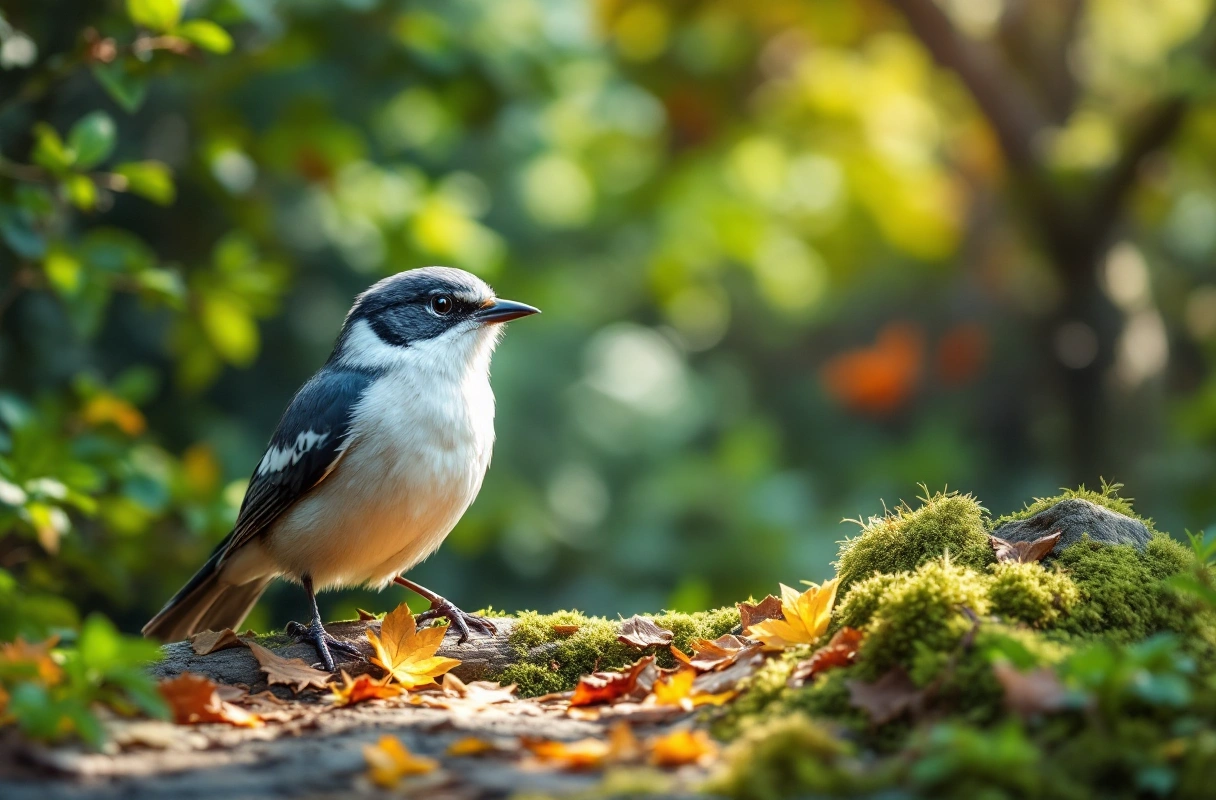
Birds are among the most diverse and adaptable creatures on the planet, with over 10,000 species identified worldwide. They inhabit every corner of the globe, from dense forests to arid deserts, demonstrating an incredible range of behaviors and adaptations. Here are some essential bird facts that every birdwatcher should know:
Birds possess unique anatomical features that aid in flight, foraging, and communication.
Understanding these anatomical traits can help birdwatchers identify species based on their physical characteristics.
Birds exhibit a range of behaviors that are fascinating to observe. Some common bird behaviors include:
Understanding these behaviors enhances the birdwatching experience, allowing enthusiasts to predict bird movements and interactions.
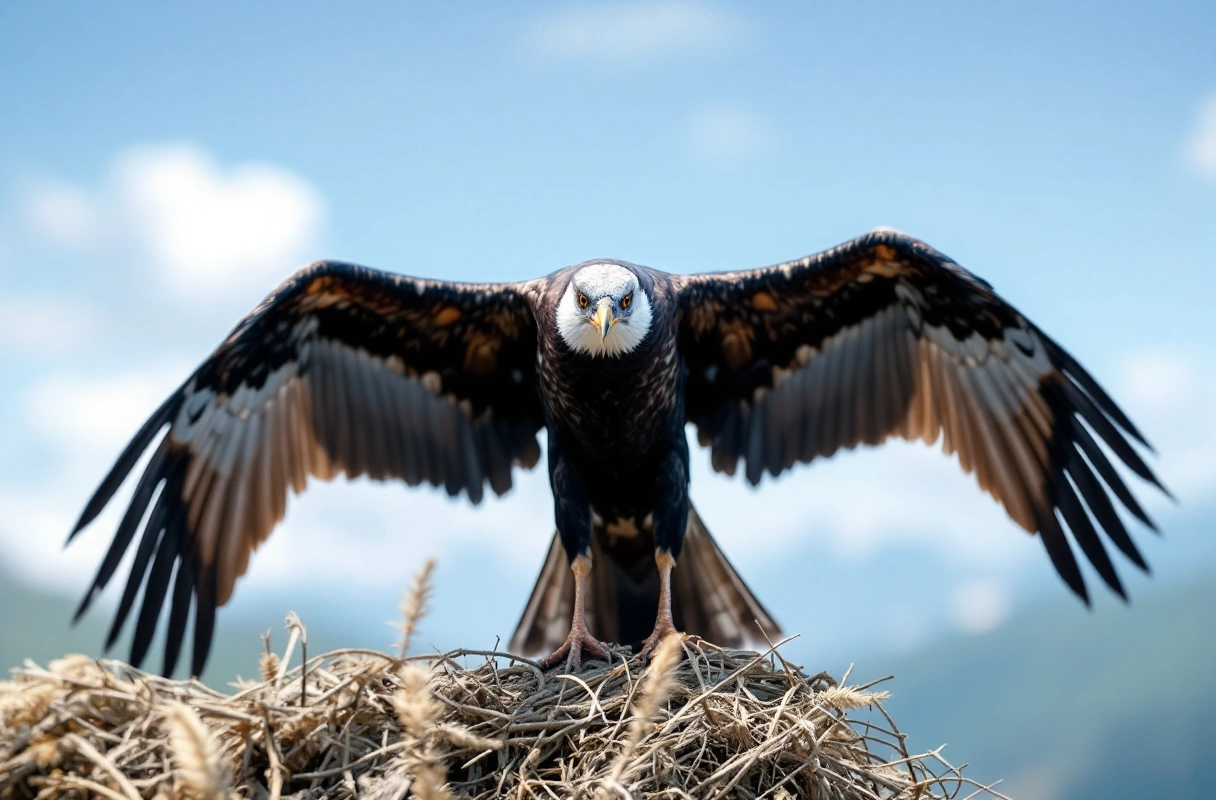
Migration is one of the most remarkable phenomena in the avian world. Many birds travel thousands of miles each year to reach favorable habitats. Here are ten fascinating bird migration patterns that showcase this incredible journey:
The Arctic Tern holds the record for the longest migration of any animal, traveling approximately 44,000 miles annually between its breeding grounds in the Arctic and wintering areas in the Antarctic.
This shorebird is known for its non-stop migration from Alaska to New Zealand, covering over 7,000 miles without taking a break. This remarkable feat is made possible by its unique physiology and energy-efficient flying techniques.
This tiny bird migrates from North America to Central America, crossing the Gulf of Mexico in a single flight. The journey can span up to 500 miles, showcasing the incredible endurance of such a small creature.
Swifts are known for their aerial lifestyle, spending most of their lives in the air. They migrate from Europe to Africa, covering distances of up to 6,000 miles, and can even sleep while flying.
This endangered species migrates between Canada and the southern United States, traveling approximately 2,500 miles each year. Conservation efforts are crucial for ensuring their migratory routes remain protected.
Starlings exhibit a unique migratory pattern, forming large flocks during the winter months. These flocks can number in the thousands, creating mesmerizing aerial displays known as murmurations.
While not a bird, the migration of the Monarch Butterfly is worth noting. They travel from North America to central Mexico, a journey of up to 3,000 miles, relying on environmental cues for navigation.
This raptor migrates from North America to Argentina, covering distances of up to 14,000 miles. They are known for their unique method of migration, often traveling in large groups.
Sandhill Cranes migrate from breeding grounds in Canada to wintering areas in the southern United States and Mexico. Their migration is characterized by loud calls and impressive courtship displays.
This small songbird migrates from North America to South America, often flying non-stop over the Atlantic Ocean for up to 90 hours. Their migration is a testament to their resilience and adaptability.
Understanding these migration patterns provides insight into the challenges birds face and the importance of protecting their habitats.
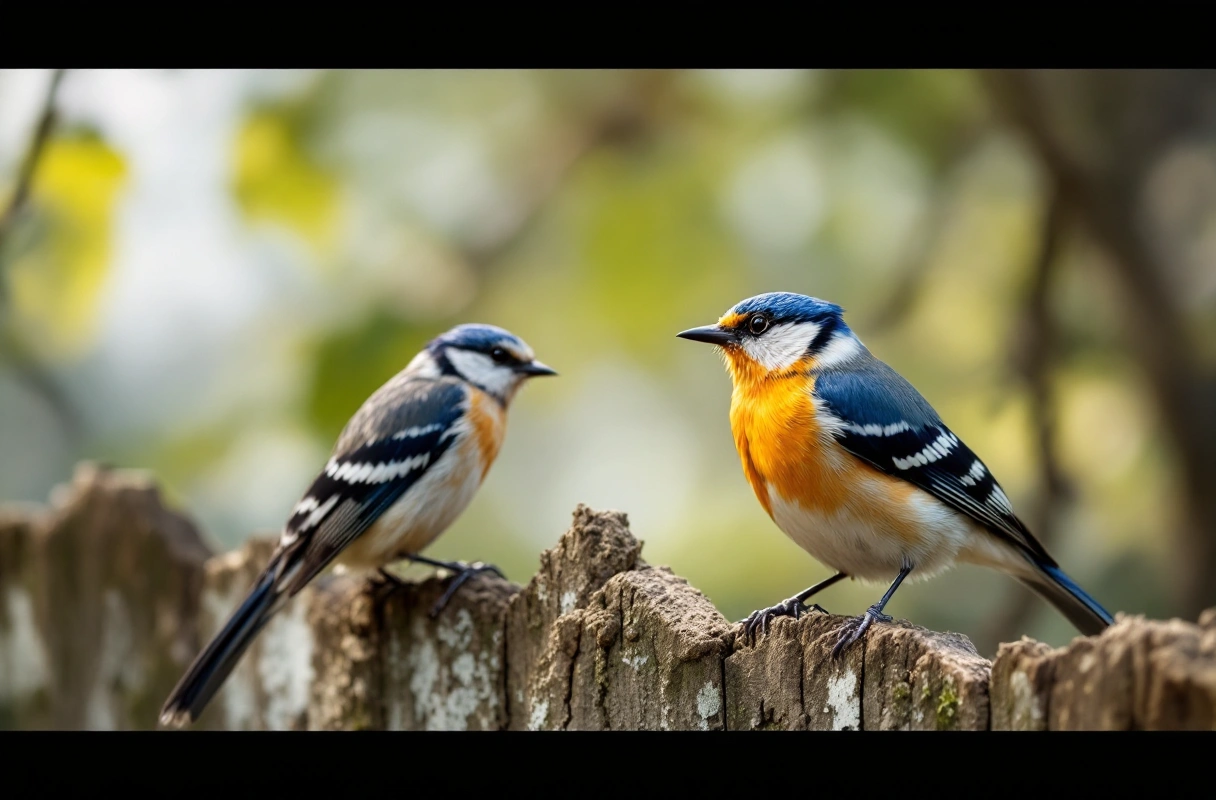
Attracting birds to your backyard can be a fulfilling endeavor. Here are some effective strategies to create a bird-friendly environment:
Birds are attracted to various food sources, and providing them can entice local species to visit your yard. Consider the following options:
Birds thrive in environments that mimic their natural habitats. Here are ways to create a welcoming space:
Creating a peaceful environment is essential for attracting birds. Here are some strategies to minimize disturbances:
By implementing these strategies, you can create a bird-friendly sanctuary that attracts a diverse range of local species.
As you embark on your birdwatching journey, it's essential to address some common misconceptions that may hinder your experience:
While high-quality binoculars and cameras can enhance your experience, birdwatching can be enjoyed without a significant financial investment. Start with a simple pair of binoculars and a field guide to local birds. Many enthusiasts find joy in observing birds with minimal equipment.
Birdwatching is accessible to everyone, regardless of expertise. Beginners can start by observing common local species and gradually expand their knowledge. Joining local birdwatching groups or online communities can provide valuable insights and support.
While many birds are diurnal (active during the day), some species are nocturnal or crepuscular (active during dawn and dusk). Learning about the behaviors of different species can enhance your birdwatching opportunities throughout the day.
By dispelling these misconceptions, you can approach birdwatching with confidence and enthusiasm.
Understanding bird facts and behaviors is not only essential for birdwatching but also for fostering a sense of responsibility toward local conservation efforts. By attracting local species and creating a supportive environment, birdwatchers can contribute to the preservation of avian populations.
Banana Slug Club encourages individuals to engage in local conservation initiatives, whether through habitat restoration, citizen science projects, or community education. By sharing knowledge about bird facts and promoting awareness of local avian species, we can collectively work toward protecting the diverse avian life in our regions.
Engaging with local conservation groups and educational organizations can provide opportunities to learn more about bird behaviors and migration patterns, enriching your birdwatching experience while making a positive impact on the environment.
As you delve into the world of birdwatching and learn about bird facts, consider joining the Banana Slug Club. Our community offers resources, workshops, and events that foster a deeper understanding of local avian species.
Visit Banana Slug Club to connect with fellow bird enthusiasts, share your experiences, and contribute to conservation efforts in your area. Together, we can celebrate the beauty of birds and ensure their habitats are preserved for future generations.
Get free resources, early access to new features and updates.
No spam. Just fun educational emails!


.svg)
.svg)