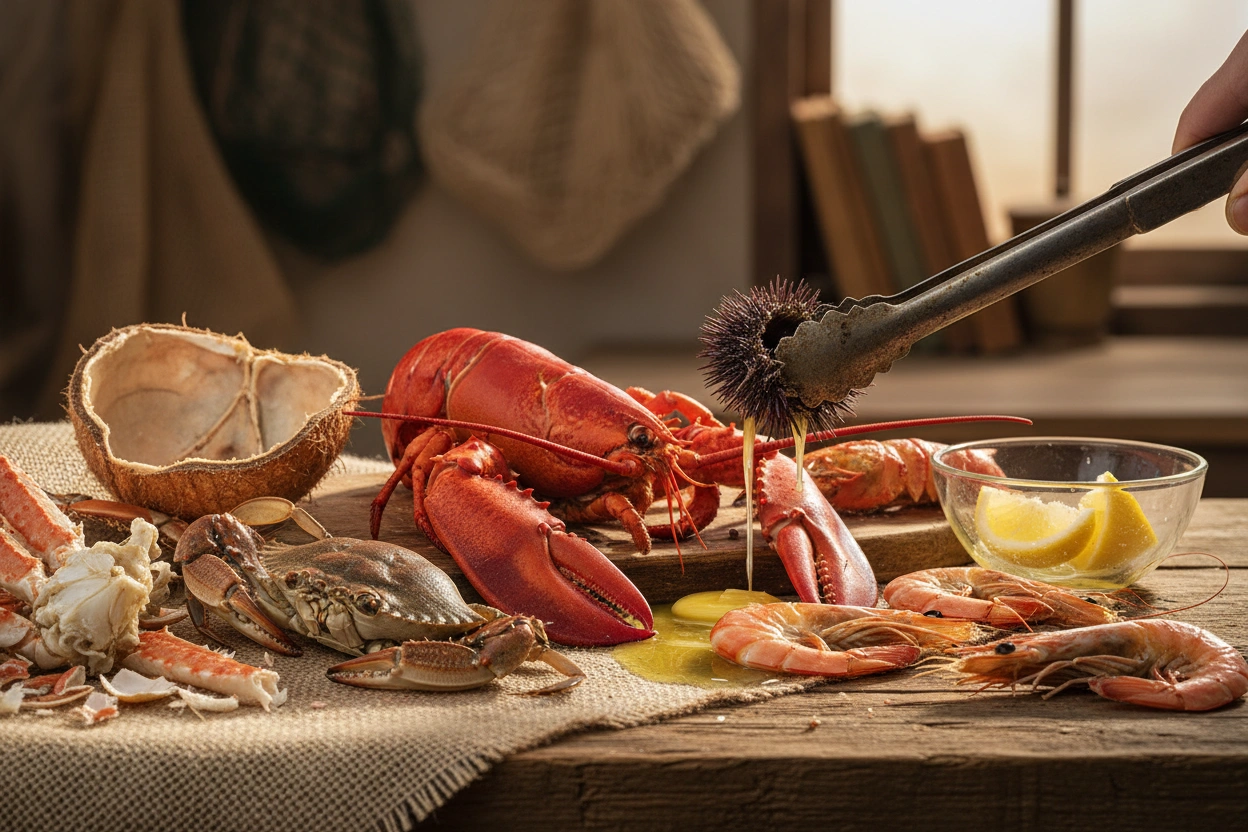
Understanding crustaceans can be a fascinating journey, whether you're a novice aquarist, a seafood lover, or simply curious about marine life. However, many beginners make common mistakes that can hinder their experience and understanding of these unique creatures. In this article, we will explore the most frequent errors made when dealing with crustaceans and provide actionable tips to enhance your knowledge and appreciation of these fascinating animals.
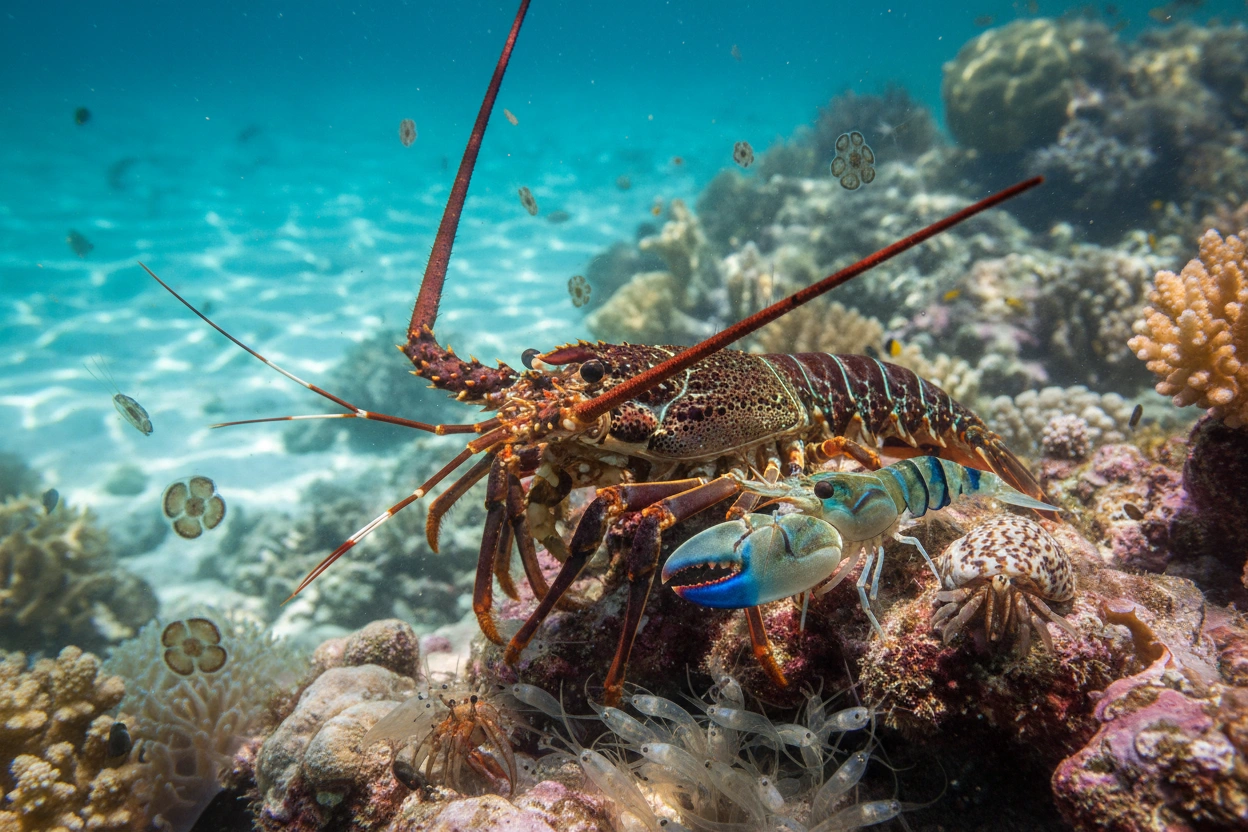
Crustaceans are a diverse group of arthropods that include crabs, lobsters, shrimp, and more. They play a crucial role in marine ecosystems, serving as both predators and prey. Their ecological importance cannot be overstated; they contribute to the health of aquatic environments and are vital for the food chain. Moreover, crustaceans offer numerous benefits to humans, including culinary delights and economic value.
Nutritional Value: Crustaceans are rich in protein, omega-3 fatty acids, vitamins, and minerals. They are considered a healthy dietary option that supports overall health. Including crustaceans in your diet can enhance your nutrient intake significantly.
Economic Contributions: The crustacean industry is a significant contributor to the economy in many coastal regions. From fishing to aquaculture, crustaceans generate jobs and income for communities worldwide.
Biodiversity Indicators: Crustaceans serve as indicators of environmental health. Their presence or absence can signal changes in ecosystem conditions, making them vital for monitoring marine environments.
Understanding these benefits can deepen your appreciation for crustaceans and motivate you to avoid common mistakes in their handling and care.
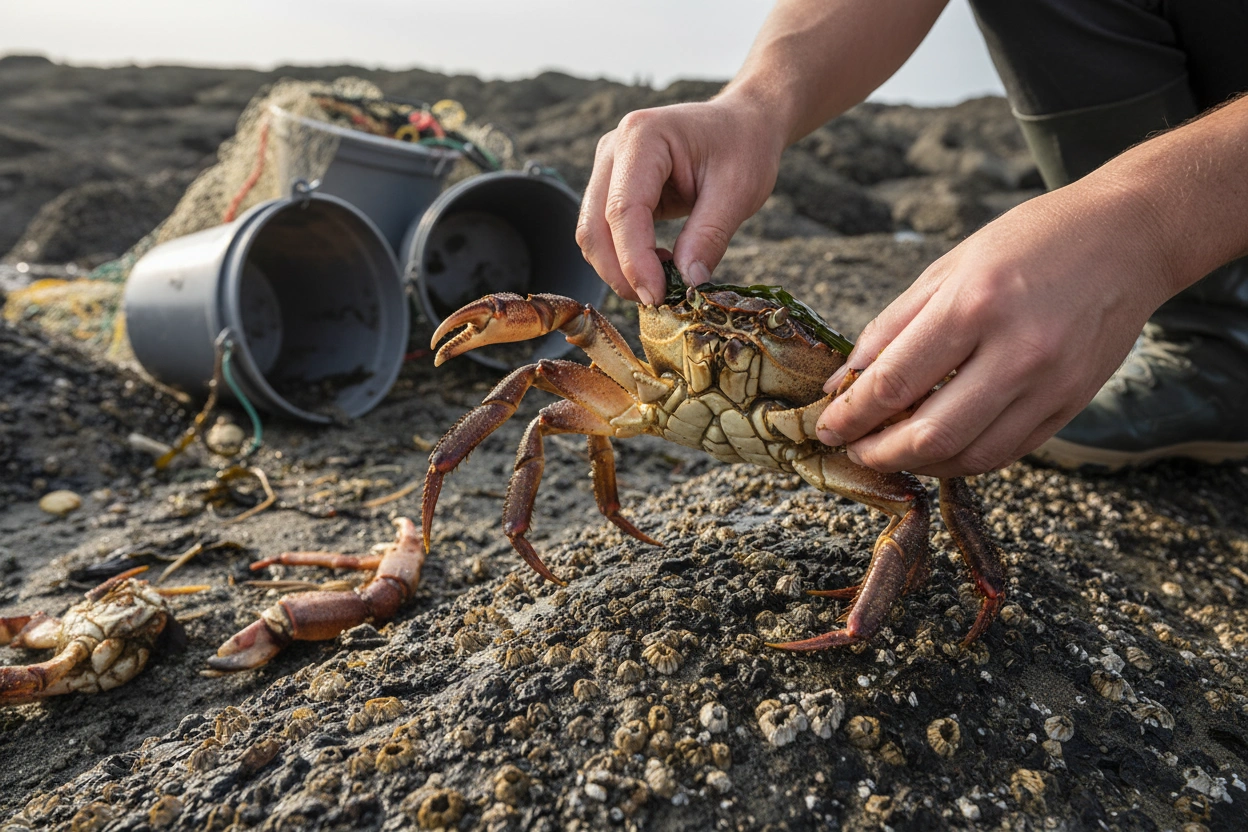
When engaging with crustaceans, beginners often encounter pitfalls that can lead to negative experiences. Here are some of the most prevalent mistakes and how to avoid them.
Different species of crustaceans have unique habitat and dietary needs. One of the most significant mistakes is assuming that all crustaceans can thrive in the same conditions.
Research Species: Before acquiring crustaceans, research the specific requirements of the species you are interested in. For instance, freshwater shrimp require different water conditions than saltwater crabs.
Adapt Environment: Ensure that your aquarium or habitat is tailored to the specific needs of your crustaceans. This includes water salinity, temperature, and pH levels.
Water quality is paramount in crustacean care. Beginners often overlook the importance of maintaining clean, well-oxygenated water, which can lead to health issues for these creatures.
Regular Testing: Test your water regularly for ammonia, nitrite, nitrate, and pH levels. Use appropriate water conditioners to eliminate harmful substances.
Filtration Systems: Invest in a good filtration system. A properly functioning filter will help maintain water clarity and quality, providing a healthier environment for crustaceans.
Feeding crustaceans can be trickier than it seems. Many beginners either overfeed or underfeed their crustaceans, leading to health complications.
Balanced Diet: Provide a balanced diet that includes commercial crustacean food, vegetables, and protein sources. Research the dietary needs of your specific species to ensure they receive all necessary nutrients.
Portion Control: Feed crustaceans small portions to prevent uneaten food from contaminating the water. Observe their feeding habits and adjust portions accordingly.
Crustaceans can exhibit complex social behaviors. Beginners often fail to consider how social interactions affect the well-being of their crustaceans.
Compatibility Check: When keeping multiple crustaceans, ensure that species are compatible. Some species may be territorial and can harm others.
Space Requirements: Provide ample space for each crustacean to thrive. Crowding can lead to stress and aggression.
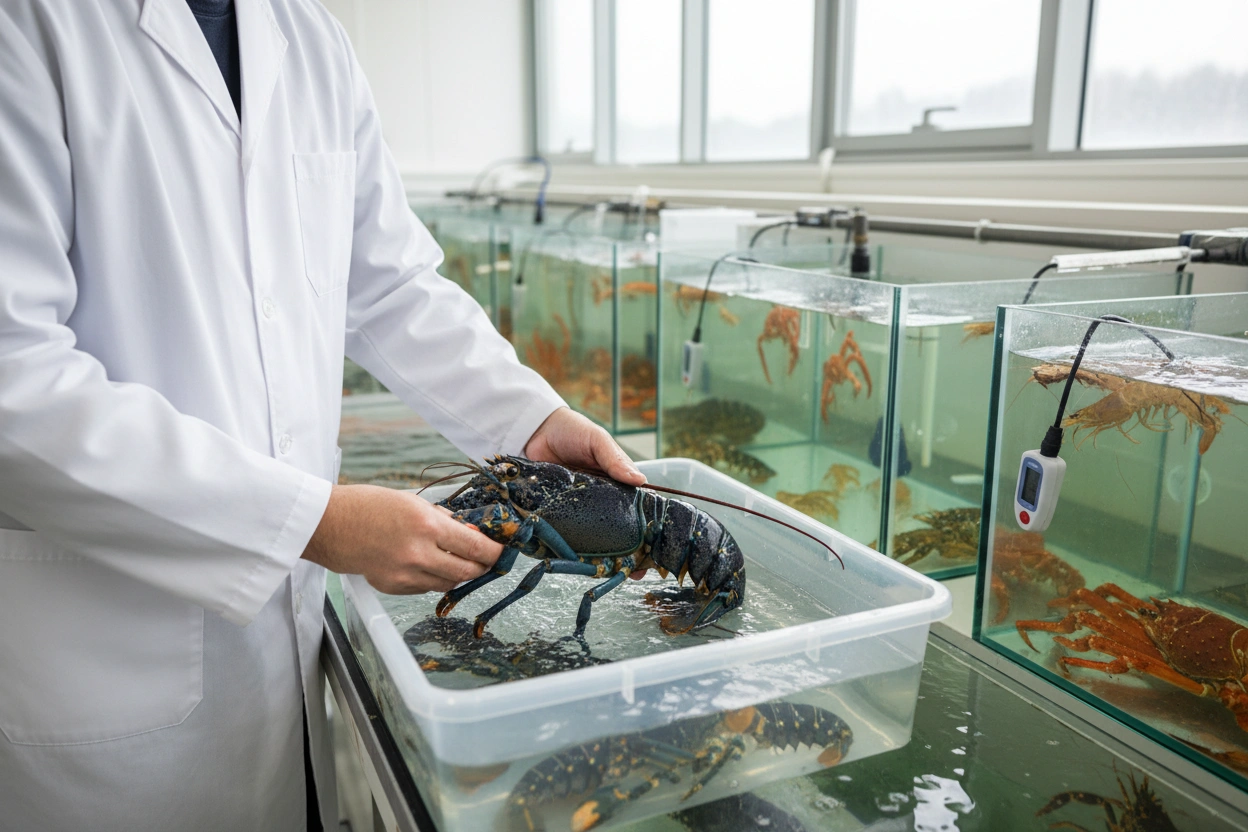
To enhance your experience with crustaceans, consider implementing these best practices.
Regular maintenance is essential for keeping crustaceans healthy and thriving.
Weekly Water Changes: Perform partial water changes weekly to maintain optimal water quality. This practice will help remove toxins and replenish essential minerals.
Routine Cleaning: Clean the tank and remove any debris or uneaten food to prevent the buildup of harmful substances.
Monitoring the health of your crustaceans is vital for early detection of issues.
Observe Behavior: Regularly observe your crustaceans for signs of stress, disease, or unusual behavior. Early detection can prevent more significant problems.
Physical Examination: Inspect your crustaceans for any physical abnormalities, such as discoloration or lesions. Prompt treatment can help ensure their longevity.
The world of crustaceans is vast and ever-evolving. Continuous education is crucial for success.
Join Communities: Engage with online forums or local clubs focused on crustaceans. Sharing experiences and knowledge can provide valuable insights.
Read and Research: Invest time in reading books and articles about crustaceans. Understanding their biology and ecology will enhance your care practices.
For those looking to deepen their understanding of crustaceans and improve their care practices, the Banana Slug Club offers a wealth of resources and community support. Engaging with knowledgeable individuals can provide insights that help avoid common mistakes and enhance your experience with these remarkable creatures.
The Banana Slug Club emphasizes the importance of education and community in fostering a better understanding of aquatic life. By connecting with other enthusiasts, you can share experiences and learn about the best practices for caring for crustaceans.
In conclusion, understanding and caring for crustaceans requires awareness of their specific needs and behaviors. By avoiding common mistakes and implementing best practices, you can create a thriving environment for these fascinating creatures. The benefits of engaging with crustaceans are numerous, from dietary advantages to ecological contributions.
If you're ready to take your knowledge and care practices to the next level, consider reaching out for more resources. Visit Banana Slug Club to explore educational opportunities and connect with fellow enthusiasts eager to share their passion for crustaceans.
Get free resources, early access to new features and updates.
No spam. Just fun educational emails!


.svg)
.svg)