Attracting More Backyard Birds: Bird Facts for Better Feeding Habits
Birdwatching is a beloved pastime for many, offering a unique blend of relaxation and engagement with nature. As we move through 2025, understanding bird facts and their feeding habits has become increasingly important for those looking to attract more birds to their backyards. Not only does this enrich our lives, but it also plays a critical role in supporting bird populations and biodiversity. This article aims to provide an in-depth look at bird facts, effective feeding strategies, and the vital importance of bird conservation efforts.
Understanding Bird Facts for Better Feeding Habits
Birds are incredibly diverse creatures, with over 10,000 species worldwide. Each species has unique feeding habits and preferences, influenced by factors such as habitat, seasonal changes, and migratory patterns. By familiarizing ourselves with these bird facts, we can create an environment that caters to the specific needs of various bird species.
The Importance of Bird Feeding
Feeding birds in your backyard serves multiple purposes. It not only provides essential nutrients to birds, especially during migration or harsh weather, but also offers an opportunity for people to observe and connect with nature. Proper bird feeding practices can lead to healthier bird populations, which in turn supports local ecosystems.
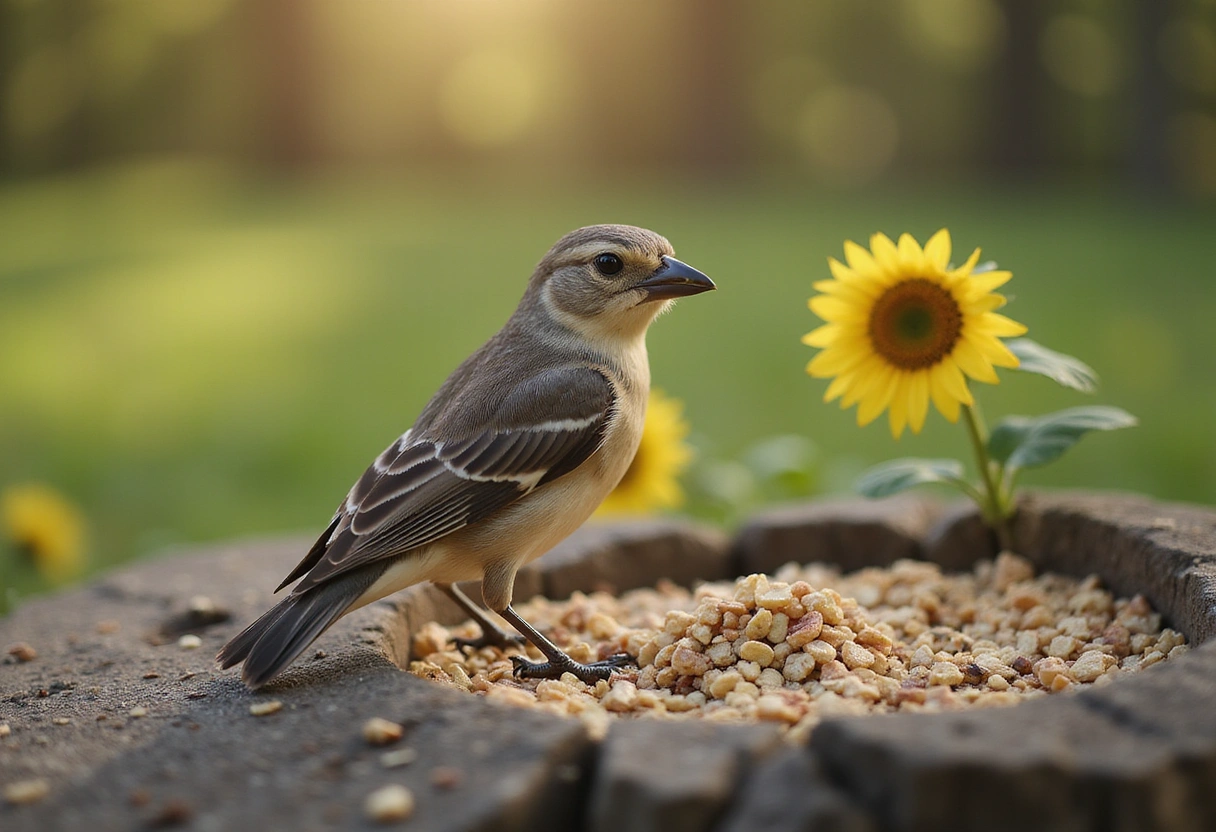
- Nutritional Needs: Different species have varying dietary requirements. For example, seed-eating birds, such as finches and sparrows, thrive on sunflower seeds and millet, while insectivorous birds prefer mealworms and other protein sources.
- Seasonal Considerations: Bird feeding habits can change with the seasons. In winter, many birds rely on feeders more heavily due to the scarcity of natural food sources. Understanding these seasonal dynamics helps you provide appropriate food year-round.
Common Misconceptions about Bird Feeding
While bird feeding seems straightforward, several misconceptions can hinder your efforts to attract birds effectively.
- All Birds Eat Seeds: Not all birds are seed eaters. Many species, such as hummingbirds and woodpeckers, require nectar or insects. Offering a variety of food types can attract a more diverse range of birds.
- Feeding Birds is Harmful: Some believe that feeding birds can make them dependent on humans. However, when done responsibly, feeding can supplement their diet, especially during challenging seasons.
Effective Bird Feeding Strategies
To attract more birds to your backyard, implementing effective feeding strategies is essential. Here are several methods to consider:
Selecting the Right Bird Feeders
The type of feeder you choose can significantly impact the variety of birds you attract.
- Tube Feeders: Ideal for small songbirds like finches and chickadees, these feeders can hold mixed seeds and are generally squirrel-proof.
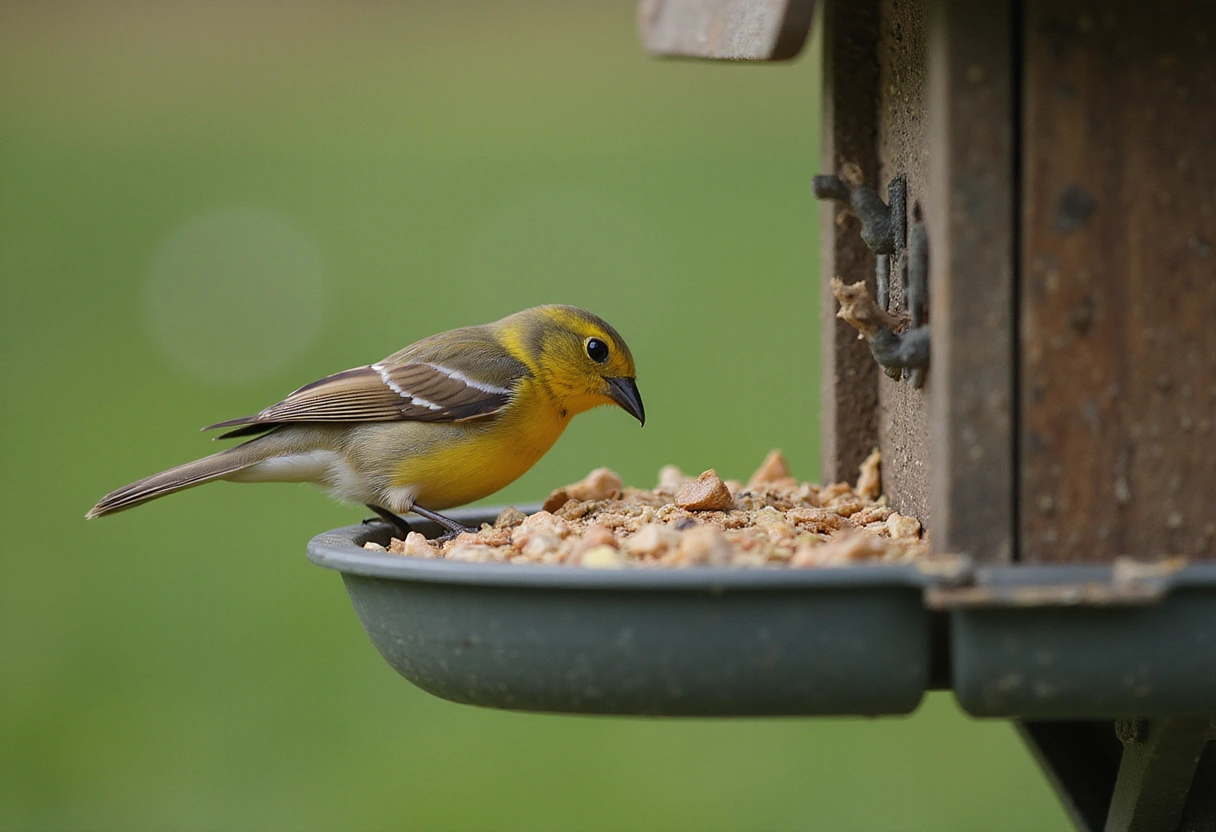
- Platform Feeders: These flat feeders can accommodate larger birds like doves and jays. They are versatile and can hold a variety of foods.
- Suet Feeders: Perfect for woodpeckers and other insectivores, suet feeders provide a high-energy food source, especially in colder months.
Choosing the Right Bird Seed
Not all seeds are created equal. Selecting the right seeds for your feeders is crucial for attracting specific bird species.
- Sunflower Seeds: A favorite among many birds, sunflower seeds are high in fat and energy.
- Nyjer Seeds: These tiny seeds are particularly appealing to finches.
- Safflower Seeds: Less attractive to squirrels, safflower seeds can draw in cardinals and other birds.
Creating a Bird-Friendly Environment
Beyond feeding, creating a welcoming habitat is essential for attracting birds.
- Plant Native Flora: Native plants provide natural food sources and shelter for birds.
- Water Sources: Birdbaths or small water features are crucial for hydration and bathing, especially in dry seasons.
- Safe Spaces: Provide places for birds to hide from predators, such as dense shrubs or trees.
Bird Migration Patterns: A Key to Effective Feeding
Understanding bird migration patterns can enhance your backyard birdwatching experience. Many birds migrate seasonally, which influences their feeding habits and the types of food they require.
The Basics of Bird Migration
Birds migrate to find food, breed, and escape harsh weather conditions. The migration process can be divided into several phases:
- Preparation: Birds prepare for migration by fattening up and gathering strength.
- Departure: Many species leave their breeding grounds in search of more favorable climates.
- Arrival: Upon reaching their destination, birds seek suitable habitats and food sources.
Timing Your Feeding Efforts
To maximize bird visits, timing is critical.
- Spring Migration: As birds return in the spring, they will be looking for high-energy foods to replenish their reserves. Offering protein-rich seeds and suet can be particularly beneficial.
- Fall Migration: In autumn, migratory birds will be scouting for food to sustain them on their long journey. Providing a variety of seeds and a reliable water source can attract them during this crucial time.
The Importance of Bird Conservation Efforts in 2025
As we navigate through 2025, the significance of bird conservation cannot be overstated. Bird populations face numerous threats, including habitat loss, climate change, and pollution. Understanding these challenges is vital for anyone interested in attracting birds to their backyards.
Current Threats to Bird Populations
Birds are experiencing alarming declines globally, with some species facing extinction. Key threats include:
- Habitat Loss: Urbanization and agricultural expansion lead to the destruction of natural habitats.
- Climate Change: Changes in climate patterns affect migration timing and food availability.
- Pollution: Chemical pollutants can harm birds directly or degrade their habitats.
How Individuals Can Make a Difference
Every individual can contribute to bird conservation efforts. Here are some actionable steps:
- Support Local Conservation Groups: Engage with local organizations dedicated to preserving bird habitats and educating the community.
- Participate in Citizen Science: Contribute to bird counts and monitoring programs to help track population changes and inform conservation strategies.
- Advocate for Sustainable Practices: Promote sustainable gardening and landscaping practices that support local wildlife.
Practical Tips for Attracting Backyard Birds
Implementing effective strategies can significantly increase the number and variety of birds visiting your backyard.
Creating a Year-Round Feeding Plan
To ensure a consistent food supply, develop a feeding plan that adapts with the seasons.
- Winter: Focus on high-energy foods such as suet and sunflower seeds to support birds during the cold months.
- Spring: Introduce nectar feeders to attract hummingbirds and provide a variety of seeds for returning migrants.
- Summer: Maintain a consistent food supply while planting native flowers to attract insects, which many birds rely on.
- Fall: Prepare for migratory birds by providing a diverse range of seeds and ensuring water sources are available.
Regular Maintenance and Monitoring
Maintaining feeders and monitoring bird activity are essential for long-term success.
- Clean Feeders: Regularly clean feeders to prevent the spread of disease among birds.
- Monitor Seed Levels: Keep an eye on seed levels and refill as needed to ensure a continuous food source.
The Intersection of Bird Facts and Conservation
Attracting more backyard birds is not just about feeding; it is also about understanding their needs and support conservation efforts. By incorporating bird facts into your feeding habits and actively engaging in conservation, you contribute to a healthier ecosystem.
Banana Slug Club is dedicated to promoting awareness and education around bird conservation. We encourage you to explore the various resources available on our website to learn more about effective bird feeding practices, local bird species, and conservation initiatives.
As you implement the strategies discussed in this article, remember that every small effort counts. By providing the right food and habitat, you can make a significant impact on your local bird populations. For more information on attracting birds to your backyard and engaging in conservation efforts, visit our website or contact us today. Together, we can foster a thriving environment for our feathered friends.


.svg)
.svg)