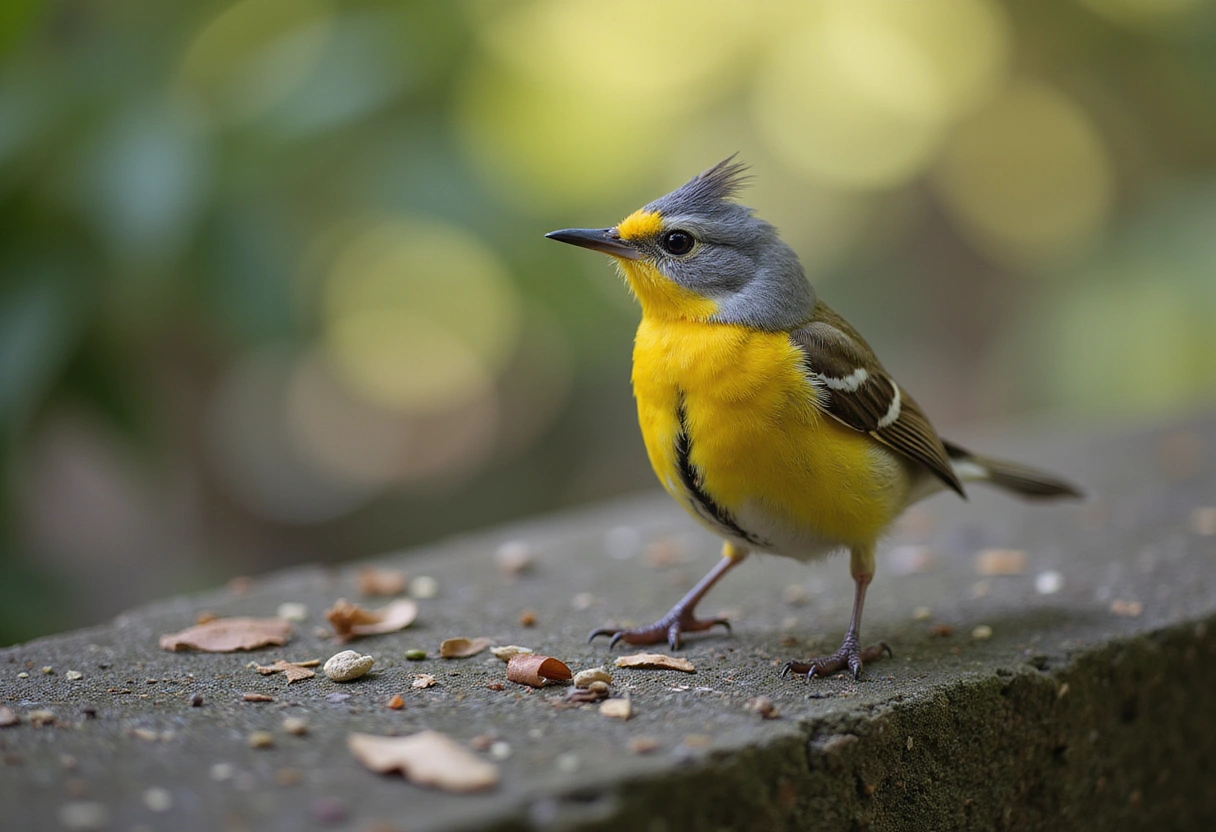
Birdwatching is a rewarding and educational hobby that connects enthusiasts with the natural world. Whether you are a seasoned birdwatcher or just beginning to explore this fascinating activity, understanding bird facts can significantly enhance your experience. From recognizing common bird behaviors to appreciating the intricate patterns of migration, this article will provide you with essential insights that will deepen your appreciation for our feathered friends.
In 2025, birdwatching continues to grow in popularity as more people seek to engage with nature, especially in their own backyards. This article will explore ten fascinating bird migration patterns, offering you the knowledge to identify and appreciate the incredible journeys these birds undertake. By understanding these bird facts, you can elevate your birdwatching experience and foster a greater connection to the wildlife around you.

Birdwatching is not just about identifying species; it involves understanding common bird behaviors that can reveal a lot about their lives. Observing how birds interact with their environment can enhance your appreciation of their capabilities and adaptations. For instance, you might notice that certain birds exhibit unique feeding behaviors, such as the way woodpeckers drum on trees to communicate or search for insects.
Additionally, recognizing social structures among birds can provide insight into their lives. Many species, such as sparrows and finches, form flocks to enhance their foraging efficiency and provide protection from predators. Understanding these behaviors helps you anticipate bird movements, making your birdwatching sessions more fruitful and engaging.
Despite the wealth of information available, several misconceptions about birds persist. One common myth is that all birds migrate. While many species do undertake long migrations, others remain in their habitats year-round, adapting to seasonal changes. For example, many songbirds may migrate, while species like cardinals and blue jays are more sedentary.
Another misconception is that birds are only active during the day. While many species, such as robins and sparrows, are diurnal, there are also nocturnal birds, like owls and nighthawks, that thrive under the cover of darkness. Educating yourself about these common misconceptions can deepen your understanding of avian life and improve your observation skills.
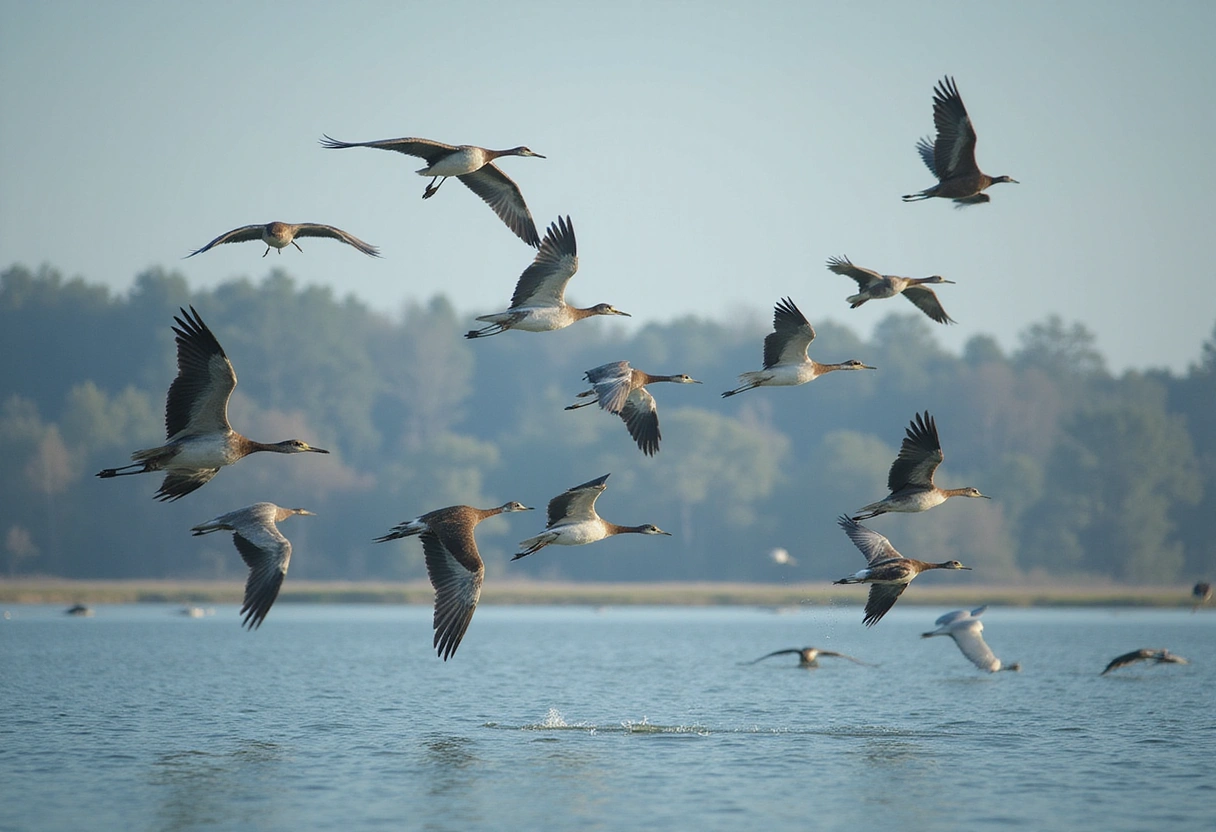
Bird migration is one of nature's most extraordinary phenomena, showcasing the endurance and adaptability of various species. Here are ten remarkable bird migration patterns that every birdwatcher should be aware of:
The Arctic tern holds the record for the longest migration of any bird, traveling approximately 44,000 miles annually between its breeding grounds in the Arctic and wintering areas in Antarctica. This incredible journey is a testament to the bird's remarkable navigation skills and stamina.
Similar to the migration of the monarch butterfly, the blackpoll warbler migrates from North America to South America, covering about 2,000 miles in a non-stop flight across the Atlantic Ocean. This journey is particularly challenging due to the lack of resting spots and food sources during the flight.
The bar-tailed godwit is known for its impressive non-stop flight from Alaska to New Zealand, covering around 7,000 miles in about eight days. This bird's ability to store fat and utilize it efficiently during its long journey is a remarkable adaptation.
Every spring, sandhill cranes migrate from their wintering grounds in the southern United States to their breeding areas in Canada and Alaska. Their migration is marked by loud trumpeting calls and impressive aerial displays, making them a favorite among birdwatchers.
Swallows migrate seasonally, with many species traveling from North America to Central and South America for the winter. They are known for their remarkable speed and agility in flight, often catching insects mid-air.
The red knot is a shorebird that migrates from its breeding grounds in the Arctic to southern South America. This bird is known for its incredible ability to double its body weight in preparation for the long journey, fueling up on food sources along the way.
The whooping crane migrates between its breeding grounds in Canada and wintering areas in Texas. Efforts to conserve this endangered species have highlighted the importance of understanding migration patterns and the challenges these birds face.
The ruby-throated hummingbird is a small bird that migrates from North America to Central America. These tiny birds undertake a remarkable journey, often crossing the Gulf of Mexico in a single flight, showcasing their incredible endurance.
Barnacle geese migrate from their breeding grounds in Greenland to winter in the British Isles. Their migration is characterized by strong flocking behavior, making them a fascinating species to observe during their travels.
The lesser sand-plover migrates from its breeding grounds in the Arctic to wintering sites in Africa and Asia. This bird is known for its remarkable adaptability to different habitats, including coastal areas and wetlands.
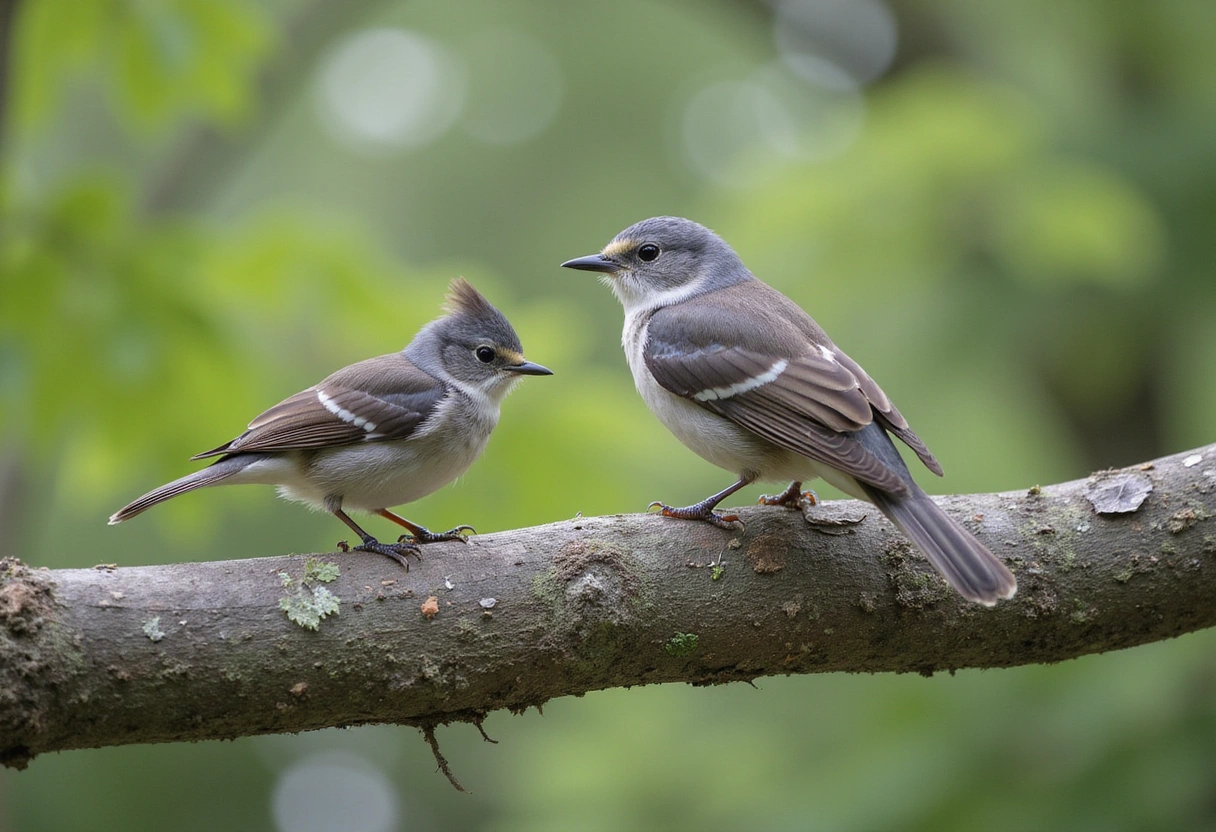
To truly appreciate bird facts and enhance your birdwatching experience, consider the following tips:
Making your backyard more inviting to birds can enhance your birdwatching experience. Here are some actionable steps:
Joining local birdwatching groups or online forums can enhance your learning and provide opportunities to share experiences with fellow enthusiasts. Engaging with the community can offer valuable insights, tips, and support as you explore the world of birdwatching.
As you immerse yourself in the world of birdwatching, the knowledge of bird facts can significantly enhance your experience. Understanding migration patterns, behaviors, and the ecology of birds not only makes birdwatching more enjoyable but also fosters a deeper connection to nature.
At Banana Slug Club, we are passionate about promoting awareness and appreciation for wildlife, including birds. Our resources are designed to educate and inspire nature enthusiasts, students, and kids eager to learn more about the fascinating world of birds and their habitats.
If you are excited about discovering more bird facts and enhancing your backyard birdwatching experience, we invite you to explore our website for additional resources, guides, and community events. Join us in celebrating the beauty of nature and the incredible lives of birds. Together, we can cultivate a love for the natural world and inspire the next generation of birdwatchers.
Get free resources, early access to new features and updates.
No spam. Just fun educational emails!


.svg)
.svg)