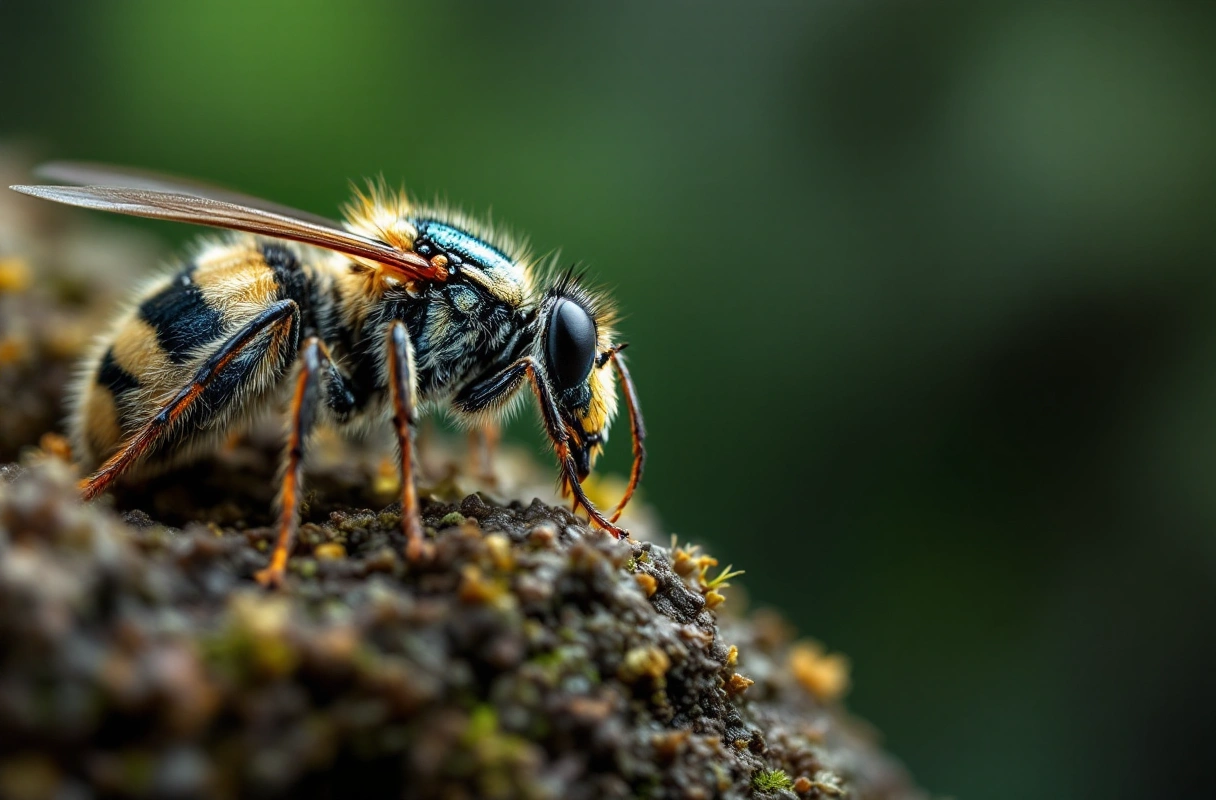
Insects are the most diverse group of organisms on our planet, comprising more than a million described species and estimated to be over ten million in total. They play crucial roles in ecosystems, from pollination to decomposition. For beginners interested in entomology, understanding insect species identification can be both a rewarding hobby and an essential skill. This guide offers practical insights into identifying insects, along with a spotlight on ten of the most fascinating insect species.
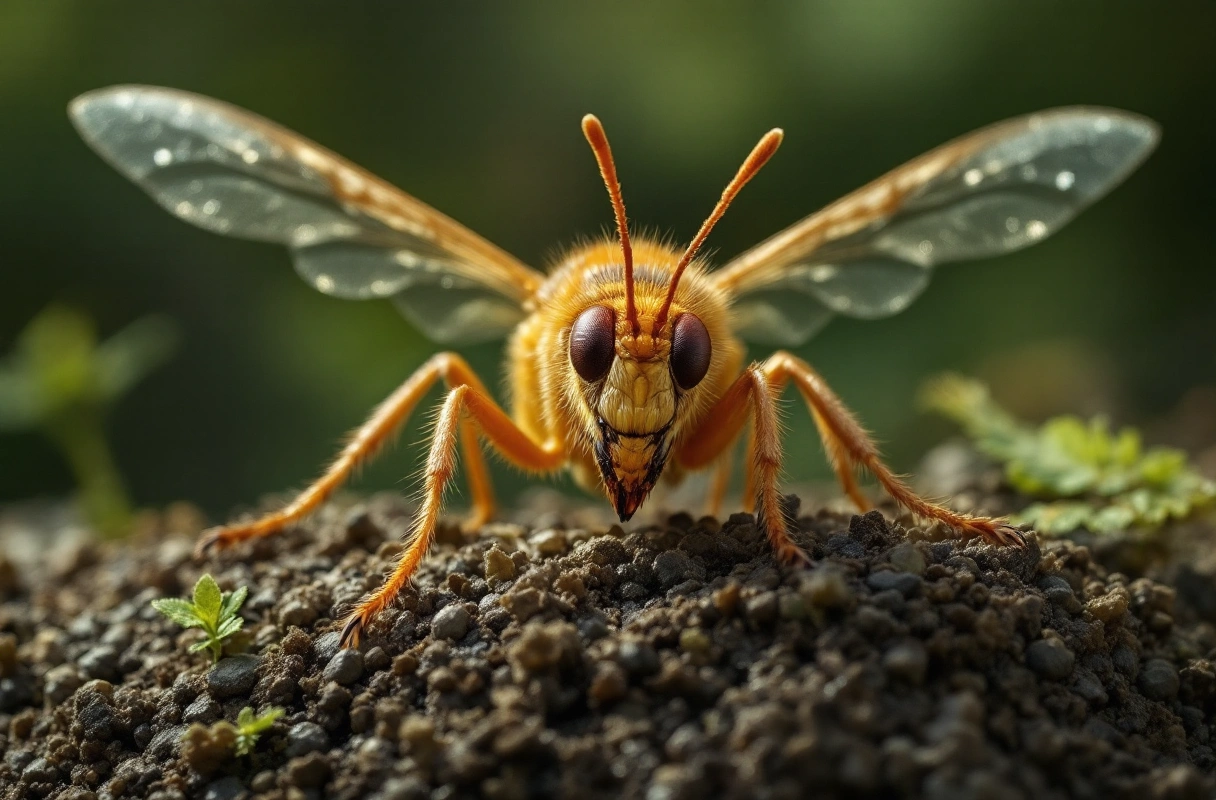
Insect species identification involves recognizing and categorizing insects based on their physical characteristics and behaviors. This process is not only crucial for entomologists but also beneficial for gardeners, farmers, and anyone interested in the natural world. Identifying insects accurately can help in pest management, conservation efforts, and understanding ecological relationships.
Accurate insect identification is vital for several reasons:
Beginners often fall into traps when identifying insects. Some common mistakes include:
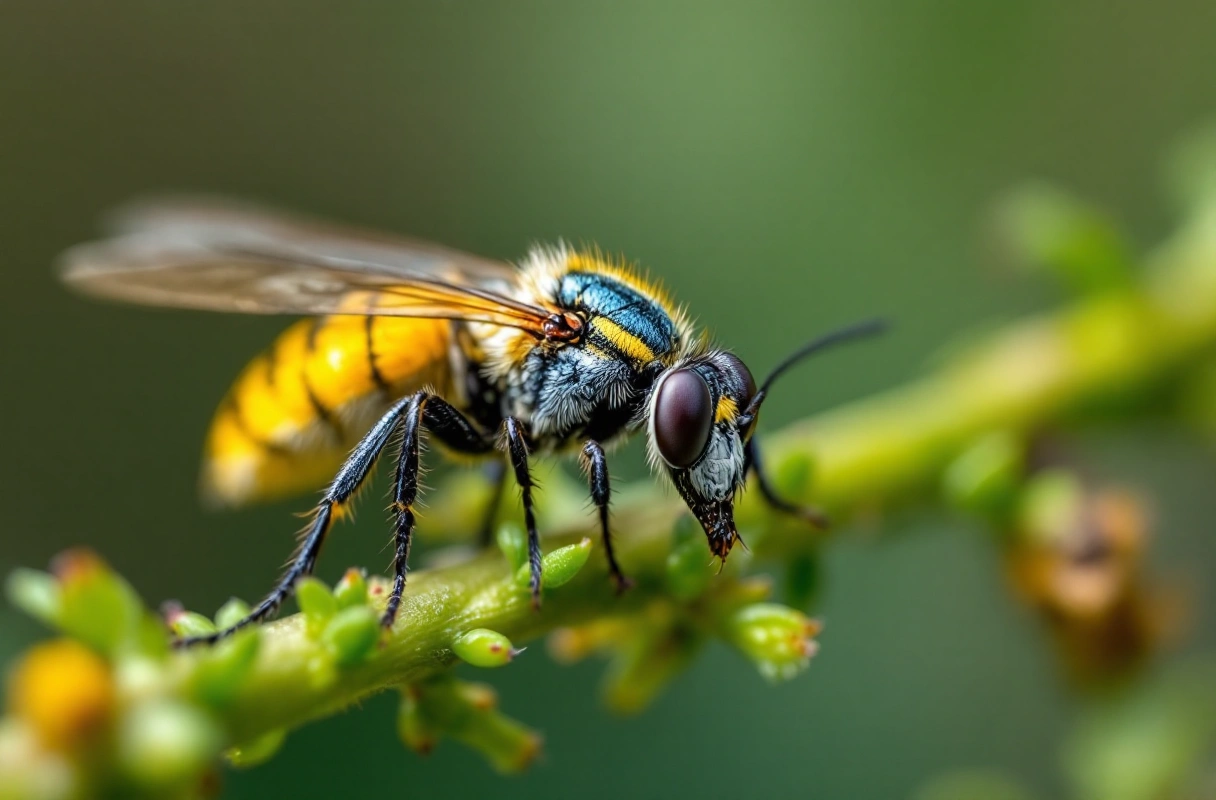
To effectively identify insects, follow these essential steps:
Several tools can aid in insect species identification:
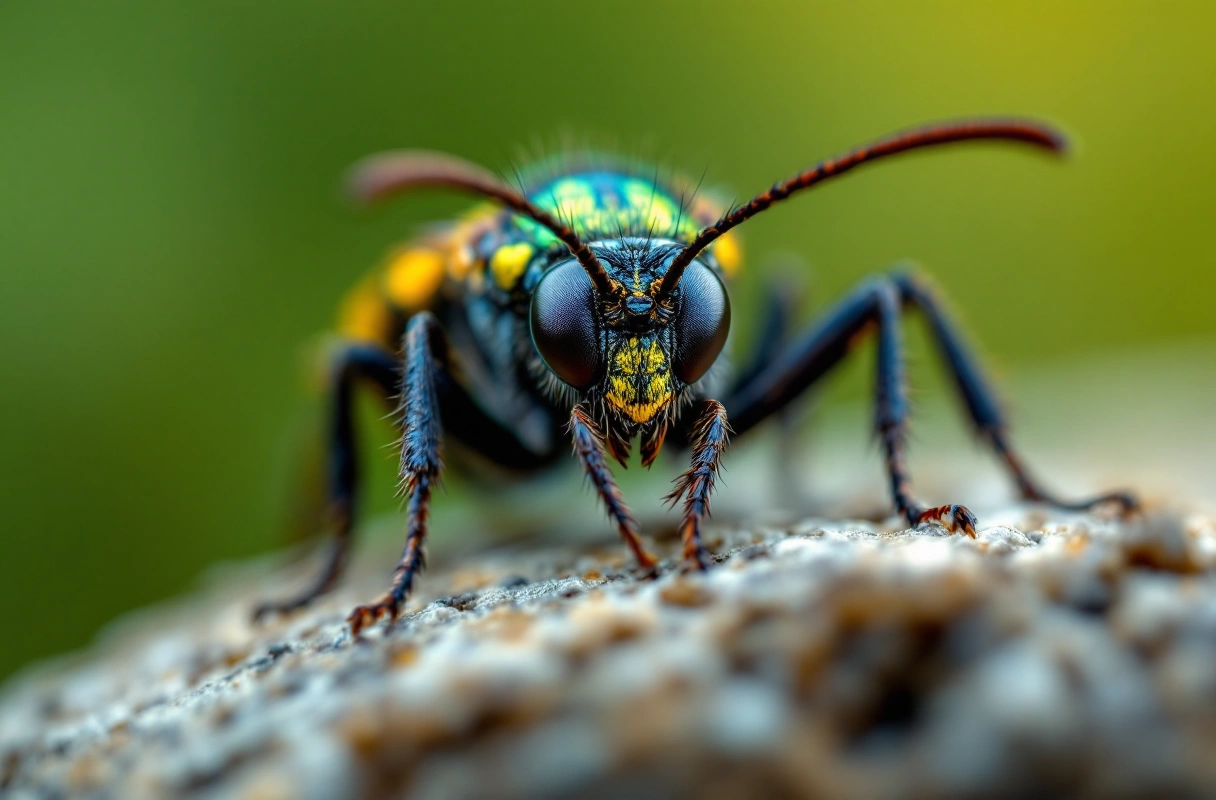
Exploring the world of insects reveals a plethora of unique and intriguing species. Here are ten of the most fascinating insects worth knowing:
The Monarch Butterfly is renowned for its incredible migration journey, traveling thousands of miles from North America to central Mexico. Its distinctive orange and black wings make it easily recognizable.
Famous for its unique defense mechanism, the Bombardier Beetle can eject a hot chemical spray from its abdomen to deter predators. This fascinating process showcases the beetle's remarkable adaptation.
One of the largest insects in the world, the Goliath Beetle can weigh up to 3.5 ounces. Its striking colors and size make it a favorite among insect enthusiasts.
The Atlas Moth is known for its impressive wingspan, which can reach over 10 inches. Native to Southeast Asia, its beautiful patterns and colors are awe-inspiring.
A recent pest in North America, the Lanternfly is notable for its vibrant colors and unique appearance. It poses significant threats to agriculture, making its identification crucial for pest management.
Famous for their loud calls, cicadas have a fascinating life cycle that includes years spent underground as nymphs. Their emergence is a significant event in many ecosystems.
Known for their distinctive posture and predatory behavior, praying mantises are fascinating insects that can rotate their heads and have excellent vision.
Fireflies are not only beautiful but also intriguing due to their bioluminescence. They use light to attract mates and communicate with one another.
Stick insects are masters of camouflage, resembling twigs or branches to evade predators. Their unique adaptations make them fascinating subjects for study.
Honeybees play a vital role in pollination and are essential for food production. Their complex social structures and behaviors make them a key species in entomology.
To enhance your insect identification skills, consider the following tips:
Many misconceptions exist regarding insects, which can hinder effective identification. Some of these include:
Insects serve various critical functions in ecosystems, including:
By understanding the roles that insects play, individuals can appreciate their importance and the need for proper identification.
Connecting with communities that focus on insects can enhance your learning experience. Consider the following ways to engage:
The journey of insect species identification can be a captivating and enriching experience. As you explore this diverse world, remember that each insect has a story to tell and a role to play in our ecosystems. Engaging with insects not only enhances your knowledge but also contributes to the preservation of biodiversity.
Through this guide, you have learned about the intricacies of insect species identification and the fascinating lives of various insects. The Banana Slug Club is dedicated to fostering a deeper understanding of these remarkable creatures. By participating in our community, you can gain access to resources, workshops, and expert insights that will enhance your insect identification skills.
To continue your exploration of insects and deepen your understanding, visit Banana Slug Club for more information. Together, we can appreciate the beauty and complexity of the insect world.
Get free resources, early access to new features and updates.
No spam. Just fun educational emails!


.svg)
.svg)