Marine ecosystems are intricate networks of life that depend on a variety of sea creatures. These creatures play vital roles in maintaining the health and balance of underwater ecosystems. From coral reefs to kelp forests, each organism contributes to the overall stability and productivity of its habitat. In this guide, we will explore the diverse roles of sea creatures in protecting marine habitats, shedding light on how their interactions sustain the delicate balance of these environments.
The importance of these sea creatures cannot be overstated. They not only provide food and shelter for countless marine species but also contribute to the biogeochemical cycles that sustain life in our oceans. Unfortunately, many people are unaware of the critical functions these organisms serve, often leading to misconceptions about their roles. This article aims to clarify these roles, highlight specific sea creatures that are essential to marine habitats, and provide actionable insights for those interested in marine conservation.
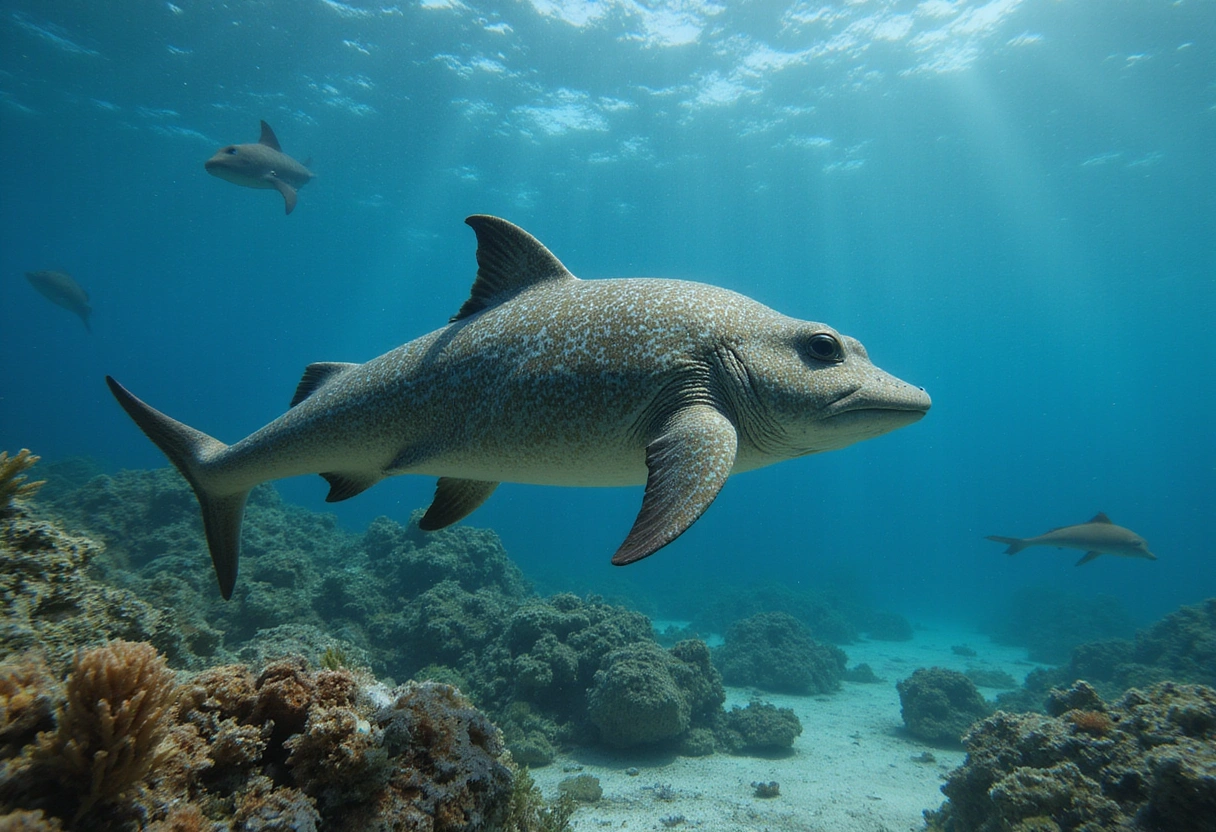
Understanding the roles of sea creatures in marine ecosystems is essential for appreciating their contributions to environmental health. These organisms can be categorized into several groups based on their functions, including producers, consumers, and decomposers. Each group plays a unique part in maintaining the balance of marine habitats.
Producers, such as phytoplankton and seaweeds, are the primary sources of energy in marine ecosystems. These organisms convert sunlight into chemical energy through photosynthesis, forming the base of the food web.
The health of these producers is crucial for the survival of marine habitats. Declines in their populations can lead to significant disruptions in the food web, affecting all organisms that depend on them.
Consumers in marine ecosystems are divided into herbivores, carnivores, and omnivores, each playing a vital role in energy transfer and nutrient cycling.
The interactions among these consumer groups are complex and essential for the stability of marine habitats. Disruptions to any level of this food web can have cascading effects, leading to ecosystem degradation.
Decomposers, including bacteria, fungi, and detritivores, break down dead organic matter, returning essential nutrients to the ecosystem. This process is crucial for maintaining soil health and nutrient availability.
Without decomposers, nutrients would become locked in dead organic matter, leading to nutrient deficiencies in marine habitats. Their role underscores the importance of every organism in the ecosystem, regardless of size.
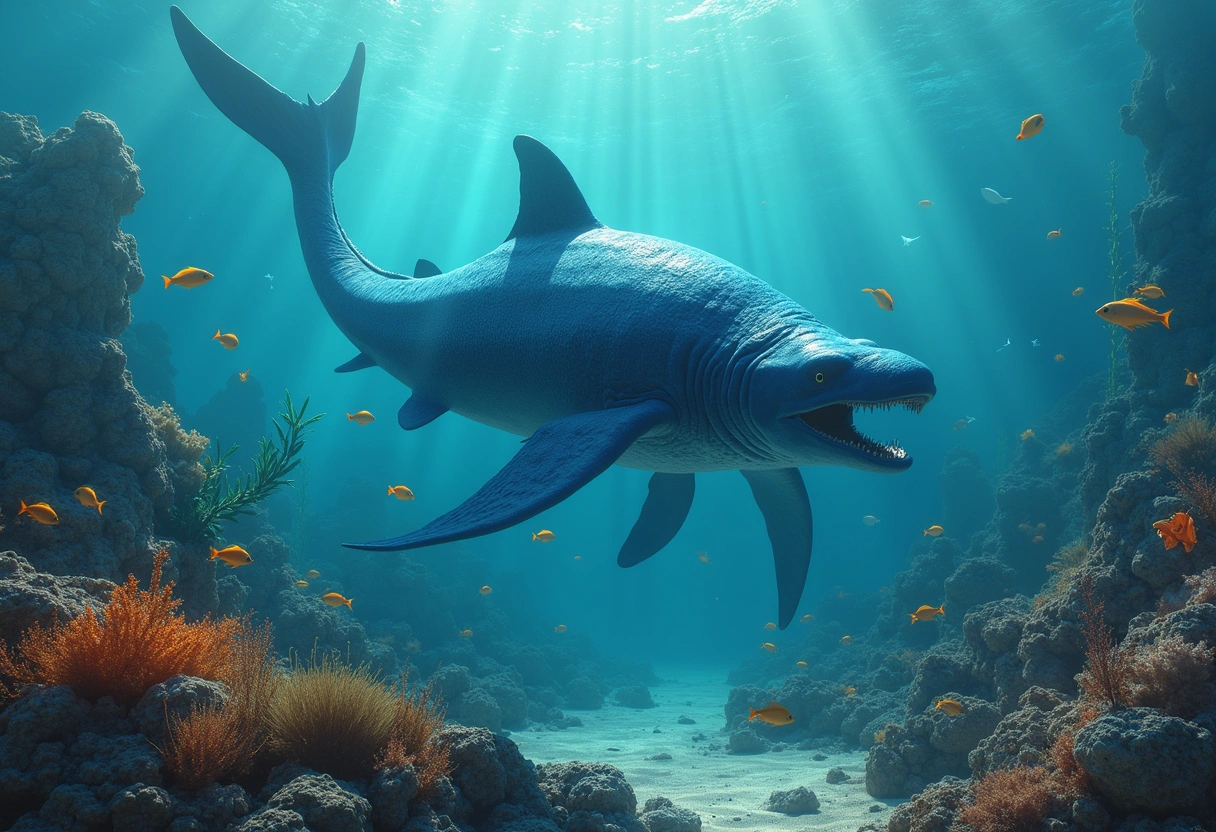
Several sea creatures are particularly noteworthy for their roles in protecting marine habitats. Here, we explore some of these key species and their contributions to ecosystem health. colorful sea creatures like coral polyps are essential.
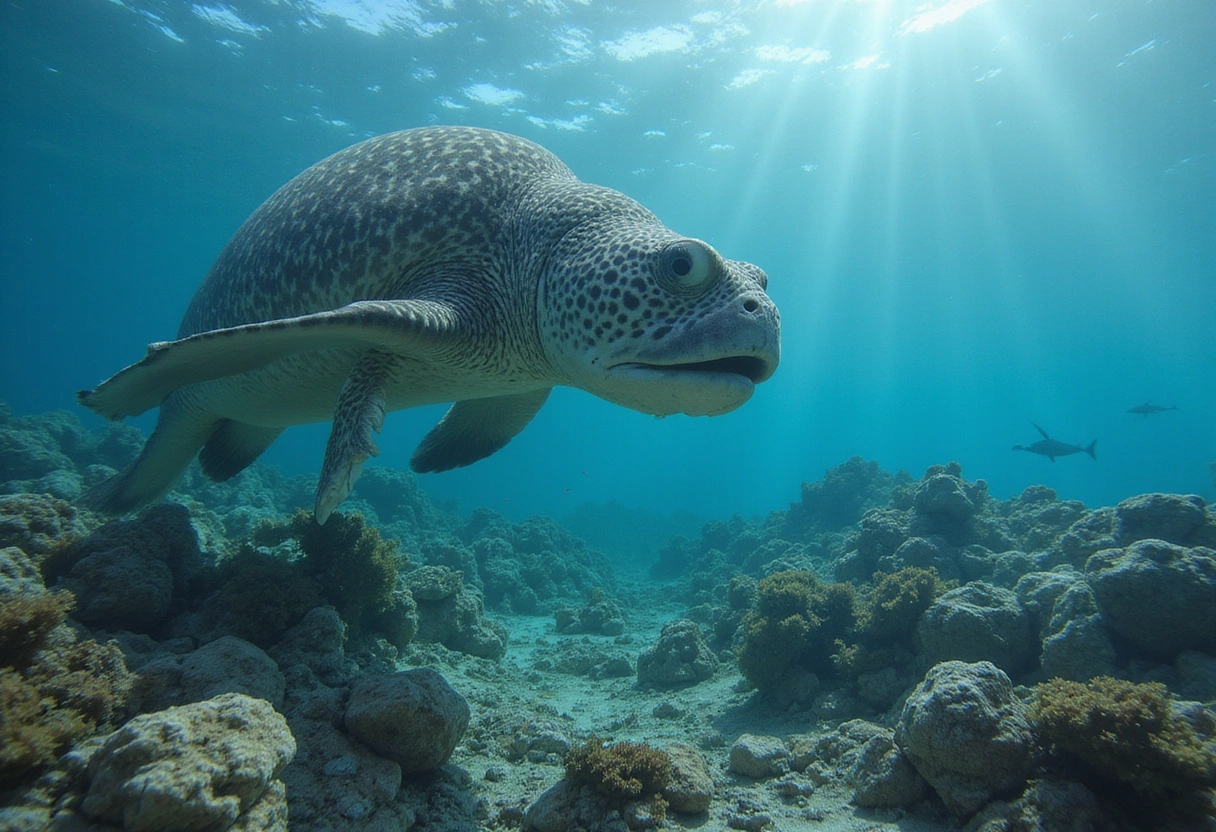
Sea turtles are crucial for maintaining the health of seagrass beds and coral reefs. They graze on seagrasses, preventing overgrowth and promoting biodiversity. Additionally, their nesting activities contribute to nutrient cycling in sandy beach ecosystems.
Coral polyps are tiny animals that build coral reefs, providing habitat for thousands of marine species. They form symbiotic relationships with zooxanthellae, algae that live within their tissues, allowing them to thrive in nutrient-poor waters. Healthy coral reefs support diverse marine life and protect coastlines from erosion.
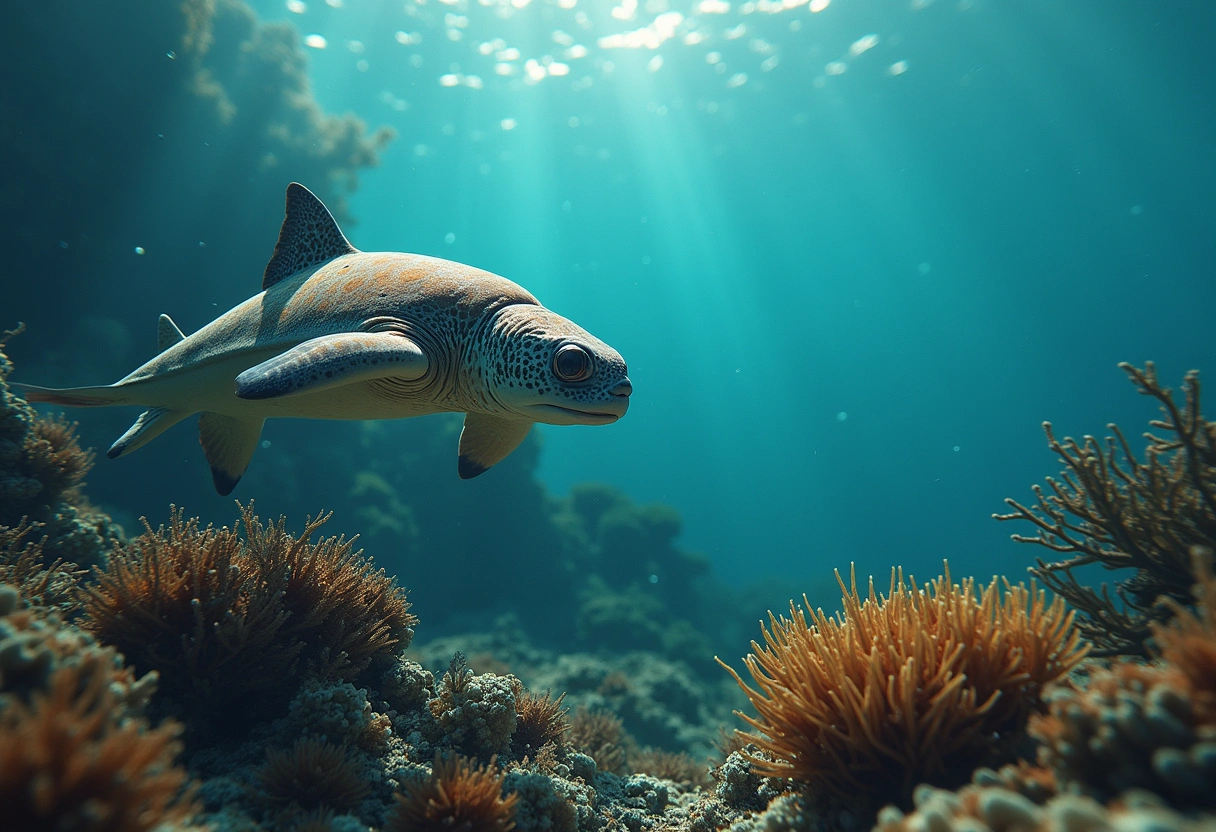
Sharks are apex predators that help regulate fish populations. By preying on weaker or sick individuals, they ensure the health of fish stocks, which is vital for maintaining the balance of marine ecosystems. Their presence is often an indicator of a healthy marine environment.
Sea urchins play a dual role in marine ecosystems. While they are herbivores that graze on algae, they can also overpopulate and decimate kelp forests if their predators are removed. This highlights the importance of maintaining predator-prey relationships within marine habitats.
Oysters are filter feeders that improve water quality by removing pollutants and excess nutrients from the water. They also provide habitat for other marine organisms and contribute to the structural integrity of coastal ecosystems, such as oyster reefs.
Despite their importance, there are several misconceptions surrounding sea creatures and their functions in marine ecosystems. Addressing these misunderstandings is crucial for promoting conservation efforts.
Many people perceive sea creatures, particularly sharks and jellyfish, as threats. While certain species can be harmful, most sea creatures are harmless and play essential roles in their ecosystems. Education about these organisms can help dispel fear and promote understanding.
Coral reefs are often mistaken for mere rocks or structures. In reality, they are living ecosystems composed of coral polyps and various marine life. Protecting coral reefs is vital for maintaining biodiversity and ecosystem health.
While marine ecosystems exhibit some resilience, they are not immune to the impacts of climate change, pollution, and overfishing. Many sea creatures are sensitive to changes in their environment, and understanding these vulnerabilities is essential for effective conservation.
Engaging in marine conservation efforts is crucial for protecting sea creatures and their habitats. Here are some actionable steps individuals and communities can take:
Reduce Plastic Use: Plastics are a significant threat to marine life. By minimizing plastic consumption and participating in clean-up efforts, individuals can help protect sea creatures from entanglement and ingestion.
Support Sustainable Seafood: Choosing sustainably sourced seafood can help reduce overfishing and promote responsible fishing practices. Look for certifications such as the Marine Stewardship Council (MSC) label when purchasing seafood.
Educate Others: Sharing knowledge about the roles of sea creatures in marine ecosystems can foster appreciation and support for conservation efforts. Engage in community outreach, school programs, or social media campaigns to raise awareness.
Participate in Citizen Science: Join local conservation groups or participate in citizen science projects that monitor marine life and habitats. These initiatives can provide valuable data for researchers and support conservation efforts.
Advocate for Policy Change: Support policies that protect marine ecosystems, such as marine protected areas and regulations on fishing practices. Advocacy can lead to meaningful change at local, national, and global levels.
Educating ourselves and others about the significance of sea creatures in marine habitats is a crucial step toward fostering a culture of conservation. Programs aimed at engaging students and nature enthusiasts can help instill a sense of responsibility for the ocean and its inhabitants.
By promoting education and awareness, we can cultivate a generation of advocates for marine conservation, ensuring the protection of sea creatures and their habitats for years to come.
Understanding the roles of sea creatures in marine habitats reveals the intricate connections that sustain our oceans. The Banana Slug Club is dedicated to fostering a love for nature and science, offering resources and educational opportunities for nature enthusiasts, students, and children eager to explore the wonders of the natural world.
Through engaging programs and activities, Banana Slug Club helps connect individuals with the knowledge they need to appreciate and protect marine ecosystems. Whether it's through hands-on learning experiences or informative resources, our mission is to inspire a new generation of conservationists.
If you are passionate about the ocean and its inhabitants, we encourage you to visit our website or contact us for more information on how you can get involved. Together, we can make a difference in protecting sea creatures and the vital ecosystems they inhabit. Let's embrace the beauty and diversity of our oceans and work towards a sustainable future.
Get free resources, early access to new features and updates.
No spam. Just fun educational emails!


.svg)
.svg)