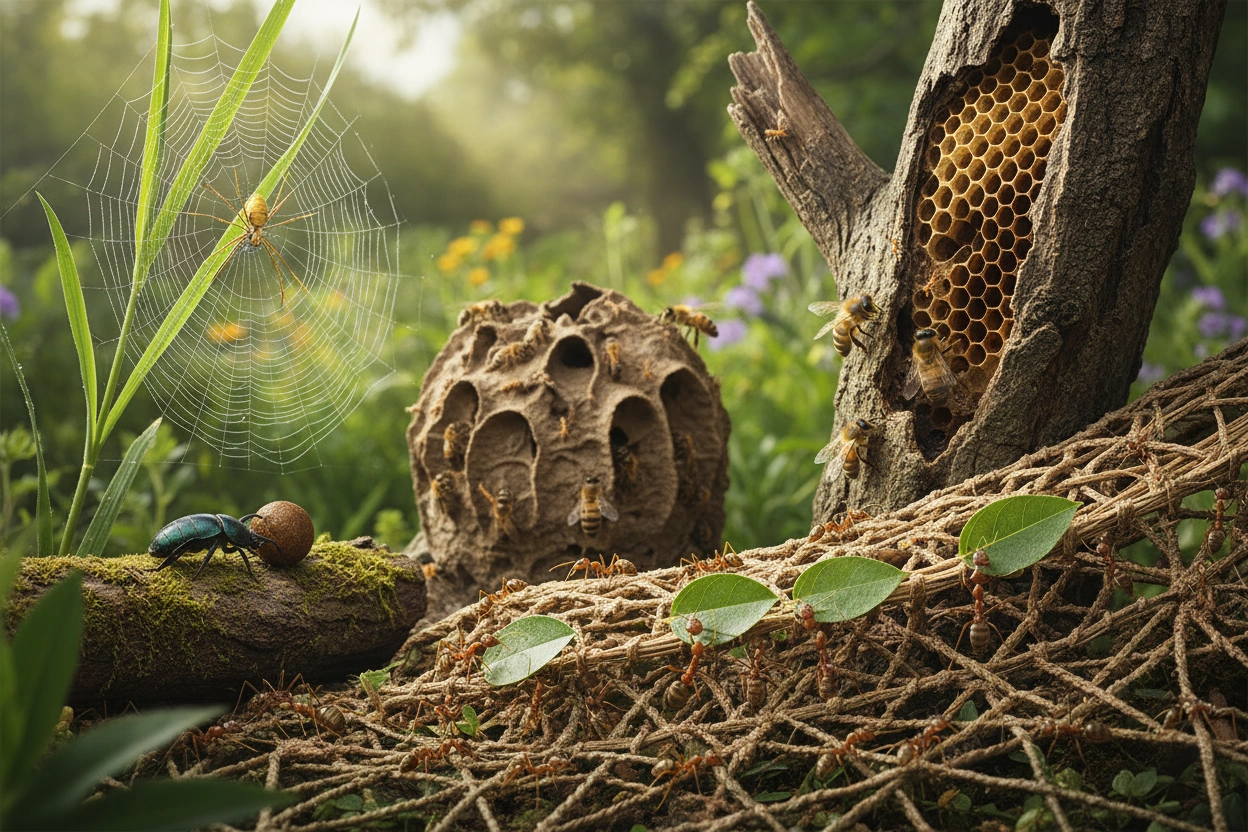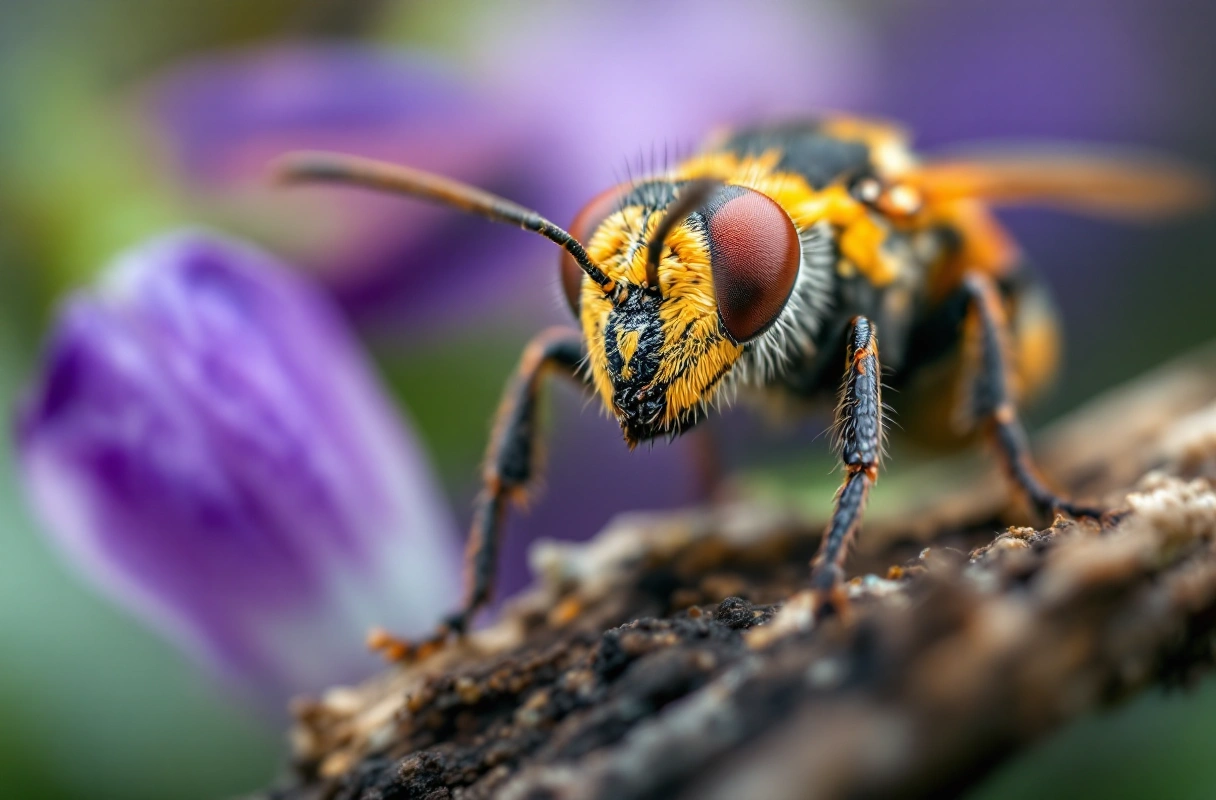
Insects are one of the most diverse and abundant groups of organisms on our planet. For backyard nature enthusiasts, understanding insect behavior is not only fascinating but also essential for fostering a thriving ecosystem. This guide will delve into the intricate world of insects, exploring how they contribute to biodiversity and their vital roles in ecosystems. Whether you are a seasoned naturalist or just starting your journey into the world of insects, this article will provide valuable insights and actionable tips to help you appreciate and enhance your backyard's insect population.
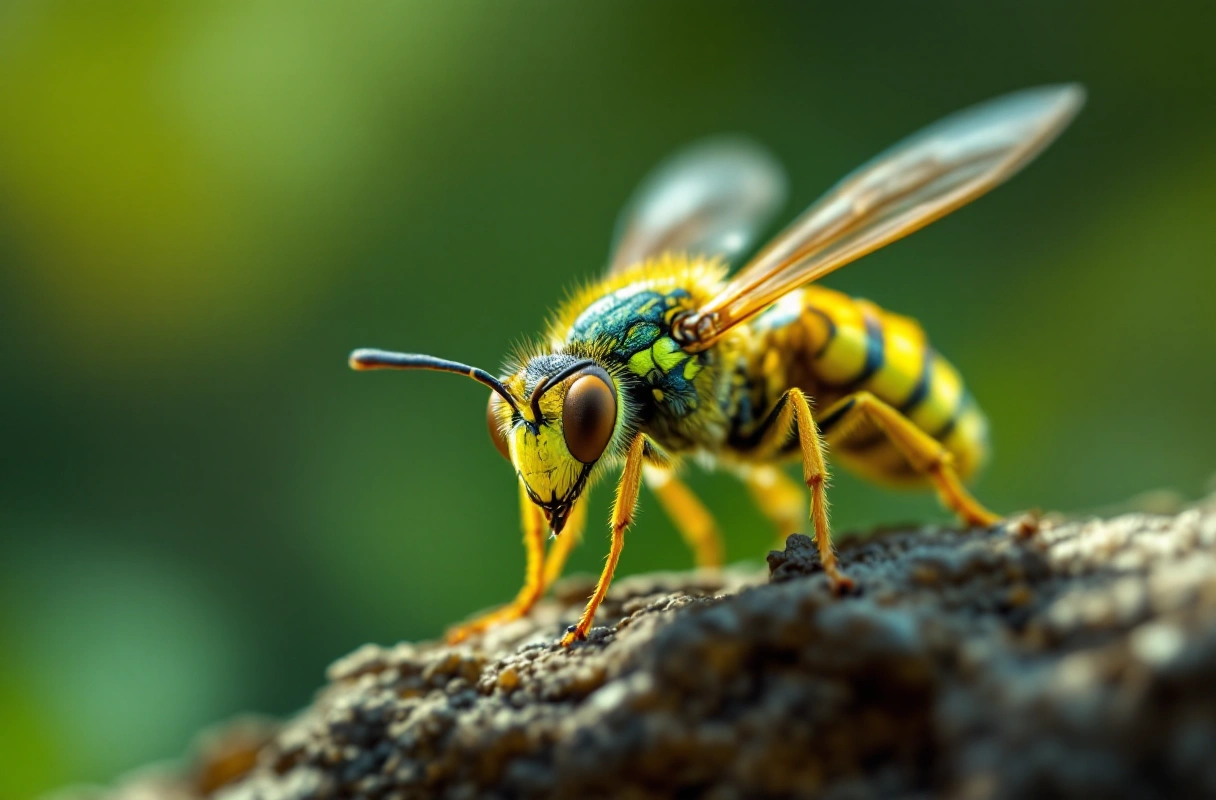
Insects play a pivotal role in maintaining the health of ecosystems. They are not only essential for pollination but also serve as a food source for a wide range of animals. Understanding their functions can help backyard enthusiasts create environments that support these vital creatures.
One of the most well-known roles of insects is pollination. Insects such as bees, butterflies, and beetles are crucial for the reproduction of many flowering plants. In fact, it is estimated that about 75% of the world's flowering plants depend on animal pollinators to reproduce. This dependency highlights the importance of nurturing insect populations in your backyard.
To promote pollination in your garden, consider the following strategies:
Insects also play a critical role in decomposition, breaking down organic matter and recycling nutrients back into the soil. This process is essential for soil health and promotes plant growth. For example, decomposer insects like ants and certain beetles feed on dead plants and animals, helping to return nutrients to the ecosystem.
To support decomposition in your backyard, you can:
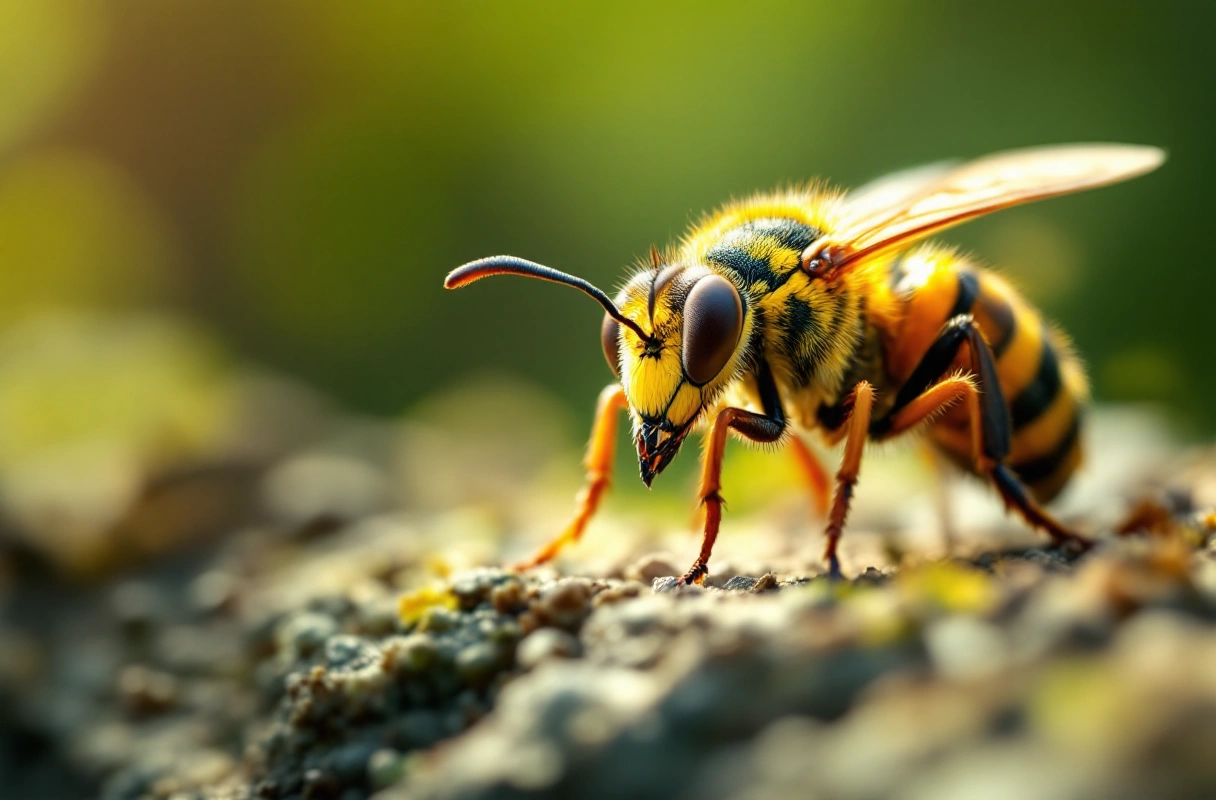
Insect behavior is complex and varies significantly among different species. By observing these behaviors, backyard enthusiasts can gain insights into the ecological roles of insects and how to support them.
Insects exhibit a wide range of foraging behaviors to find food. For example, ants are known for their organized foraging strategies, often forming trails to food sources. This behavior is essential for their survival and can also help in the pollination of plants as they move from flower to flower.
To observe and support foraging behaviors in your backyard:
Nesting behavior varies widely among insect species. Some, like solitary bees, create individual nests in the ground or in wood, while others, such as ants and bees, form large colonies with complex social structures. Understanding these nesting behaviors can help you create environments that are conducive to insect reproduction.
To encourage nesting in your backyard:
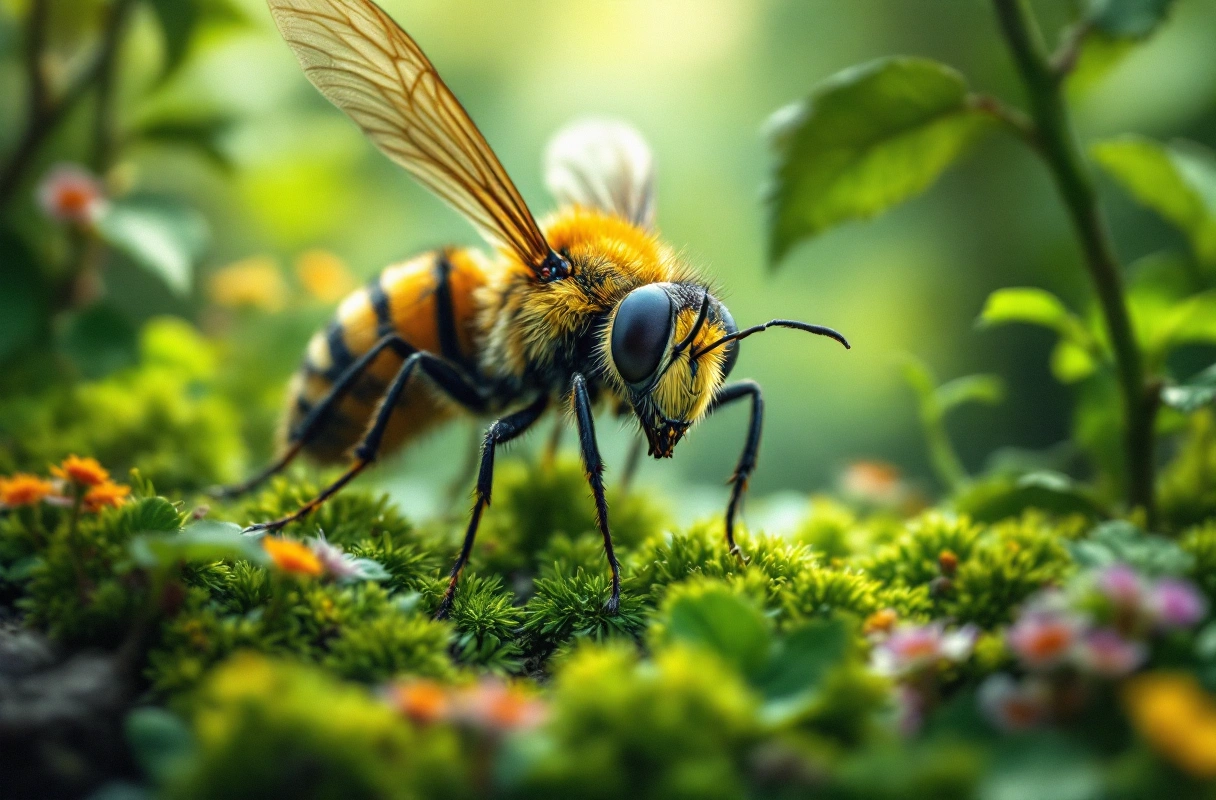
Insects are a cornerstone of biodiversity, contributing to the health and stability of ecosystems. Their presence is indicative of a thriving environment, and promoting insect diversity in your backyard is crucial for ecological balance.
The choice of plants in your garden can significantly impact the diversity of insect species. Native plants are particularly beneficial as they co-evolved with local insects, providing the necessary resources for their survival. By planting a variety of native species, you can attract a broader range of insects, which in turn supports local wildlife.
Consider these tips for enhancing biodiversity through plant selection:
Insects are integral to food webs, serving as prey for birds, reptiles, and other wildlife. A balanced ecosystem supports a variety of insect species, which in turn supports higher levels of biodiversity. To create a balanced ecosystem in your backyard, consider the following approaches:
Despite their importance, insects are often misunderstood. Addressing these misconceptions can foster a greater appreciation for these remarkable creatures.
One of the most common misconceptions is that all insects are pests. While some insects can cause damage to plants, many are beneficial and play critical roles in ecosystems. For instance, ladybugs are natural predators of aphids, while spiders help control insect populations. Recognizing the value of these insects can help you manage your garden more effectively.
To manage insects without resorting to pesticides:
Another common misconception is that insects have short lifespans. While many insects do have short life cycles, some species can live for several years. For example, certain cicadas can spend up to 17 years underground before emerging to breed. Understanding the diversity of insect lifespans can help you appreciate their life cycles and ecological roles.
Encourage a deeper understanding of insect lifespans by:
Insects are also affected by climate change, and their responses can have significant implications for ecosystems. Understanding how insects adapt to changing environments is crucial for conservation efforts.
Some insect species exhibit remarkable adaptability to changing climates. For instance, certain butterflies are shifting their ranges northward as temperatures rise. This adaptability is vital for maintaining biodiversity and ecosystem functions.
To support insect resilience in the face of climate change:
Monitoring insect populations is essential for understanding their responses to climate change. Backyard enthusiasts can contribute valuable data by observing and documenting insect behaviors and populations.
To effectively monitor insects in your backyard:
Creating a welcoming environment for insects in your backyard requires thoughtful planning and consideration. By understanding their needs and behaviors, you can foster a diverse and thriving insect population.
Designing spaces that cater to insects involves creating habitats that provide food, shelter, and breeding sites. Incorporating a variety of plants and features will enhance the overall health of your backyard ecosystem.
To design insect-friendly spaces:
Education is a powerful tool for promoting awareness and appreciation of insects. Sharing knowledge with friends, family, and community members can help foster a collective effort to support insect populations.
To educate others about insects:
Understanding insect behavior not only enhances your appreciation for these creatures but also fosters community engagement and environmental stewardship. By sharing your knowledge and experiences, you can inspire others to create insect-friendly environments in their own backyards.
Through initiatives like the Banana Slug Club, backyard enthusiasts can connect with others who share a passion for nature and biodiversity. Engaging with a community focused on environmental education can amplify efforts to support insects and promote ecological health.
As you explore the world of insects, remember the vital roles they play in our ecosystems. By creating welcoming habitats, educating others, and participating in conservation efforts, you can contribute to the preservation of insect diversity.
To learn more about supporting insects in your backyard and to join a community of nature enthusiasts, visit Banana Slug Club. Together, we can make a difference in fostering healthy ecosystems for generations to come.
Get free resources, early access to new features and updates.
No spam. Just fun educational emails!


.svg)
.svg)