
Birdwatching is one of the most rewarding hobbies, providing enthusiasts with a unique opportunity to connect with nature and explore diverse habitats. Understanding essential bird facts is crucial for both novice and seasoned birdwatchers, as it enhances the experience and deepens appreciation for avian life. From migration patterns to nesting behaviors, this guide will delve into essential bird facts, common bird behaviors, and the top ten fascinating bird migration patterns you should know.

Birds inhabit a variety of ecosystems, each uniquely suited to support different species. These habitats range from forests and wetlands to grasslands and urban environments. Understanding the importance of these habitats is vital for conservation efforts and for birdwatchers seeking to observe different species in their natural settings.
Bird habitats can be categorized into several types, each offering distinct features that attract various bird species:
Understanding these habitats not only enriches the birdwatching experience but also highlights the importance of protecting these ecosystems for future generations.
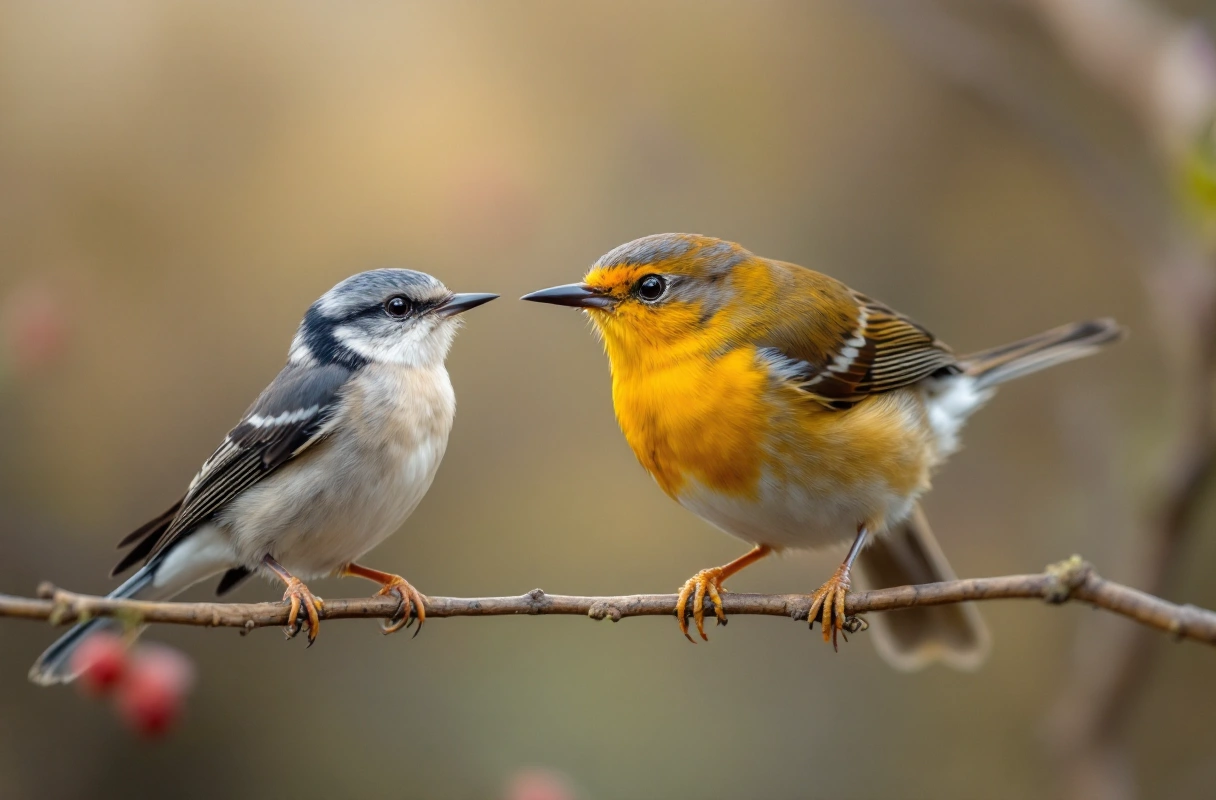
Birds exhibit a wide range of behaviors that are fascinating to observe. Recognizing these behaviors can greatly enhance your birdwatching experience.
Nesting is a critical behavior that varies significantly among species. Some birds build elaborate nests, while others prefer simpler structures. For example:
Understanding nesting behaviors helps birdwatchers identify species and their reproductive cycles, which is essential for observing fledglings during the breeding season.
Birds have developed diverse feeding strategies based on their habitat and available food sources. Common feeding behaviors include:
Being aware of these feeding habits can assist birdwatchers in locating specific species and understanding their roles in the ecosystem.
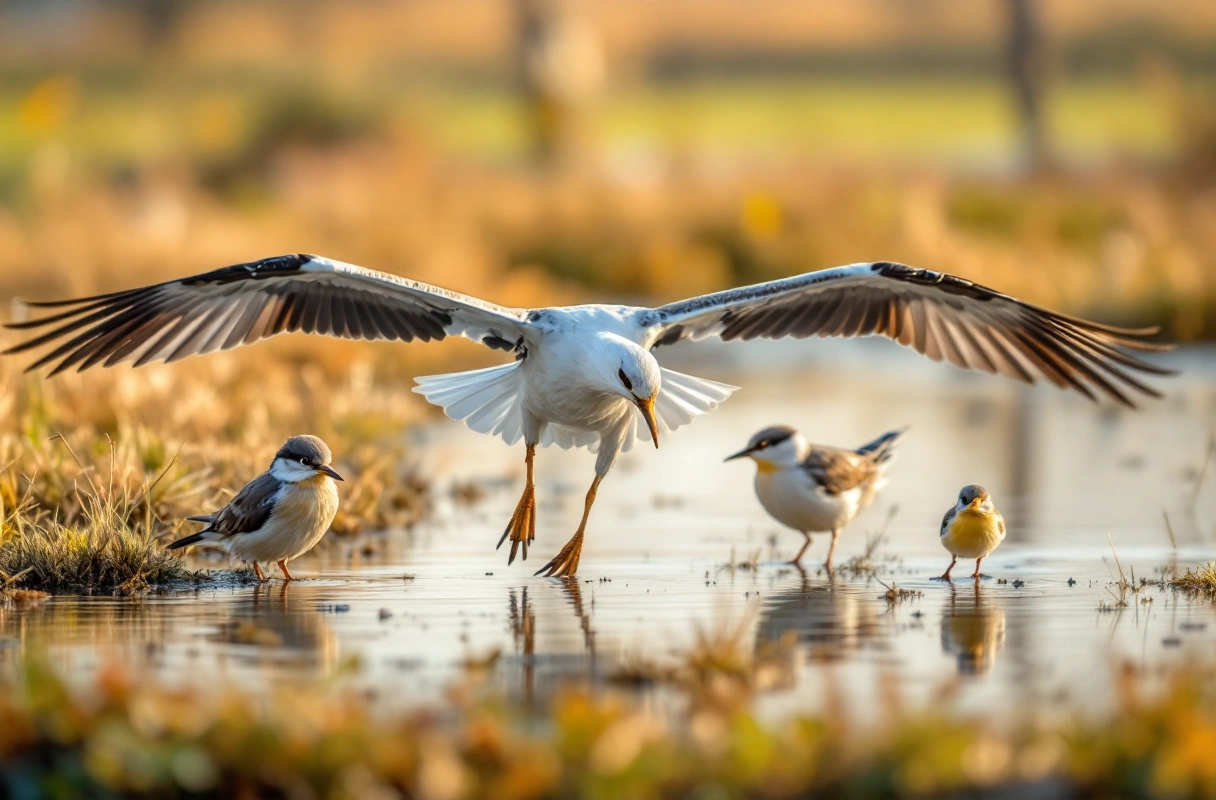
Migration is one of the most awe-inspiring aspects of avian life. Birds travel thousands of miles to find suitable breeding grounds and food sources. Here are ten fascinating bird migration patterns that every explorer should know.
The Arctic Tern holds the record for the longest migration of any bird species, traveling about 71,000 kilometers annually between its breeding grounds in the Arctic and its wintering grounds in the Antarctic.
The Blackpoll Warbler migrates from North America to South America, covering a distance of approximately 3,000 miles. Notably, this small bird migrates non-stop across the open ocean, an extraordinary feat for its size.
The Bar-tailed Godwit is renowned for its non-stop flight from Alaska to New Zealand, covering over 12,000 kilometers without a break. This remarkable endurance showcases the bird's incredible adaptation to migratory challenges.
Sandhill Cranes migrate in large flocks, often using thermals to conserve energy. Their migration routes span from North America to Central Mexico, demonstrating their reliance on specific stopover sites for rest and feeding.
This bird migrates from North America to South America, often flying along the Gulf Coast. The Swallow-tailed Kite is known for its acrobatic flight and beautiful plumage, making it a favorite among birdwatchers.
The Ruby-throated Hummingbird migrates from North America to Central America, often flying across the Gulf of Mexico in a single journey. This migration is particularly significant as it highlights the challenges faced by small birds.
Once on the brink of extinction, the Whooping Crane migrates between breeding grounds in Canada and wintering grounds in Texas. Their recovery efforts have sparked interest in their migratory behavior and habitat preservation.
The Eastern Kingbird migrates from North America to South America, often traveling in flocks. This bird is known for its aggressive behavior in defending its territory during breeding season.
This species migrates from its breeding grounds in the Arctic to wintering areas in South America, showcasing its ability to navigate vast distances with precision.
Common Swifts spend most of their lives in the air, migrating from Europe to Africa for the winter. Their unique aerial lifestyle allows them to feed and mate while in flight.
Understanding these migration patterns not only enriches the birdwatching experience but also highlights the challenges birds face during their journeys, emphasizing the need for conservation efforts.
To enhance your birdwatching experience and gain a deeper understanding of bird facts, consider the following actionable tips:
Good binoculars are essential for observing birds in detail. Look for binoculars with a magnification of at least 8x and a wide field of view to capture fast-moving birds.
Familiarize yourself with the bird species in your area. Use field guides or apps that provide information about local birds, including their calls and behaviors.
Joining local birdwatching groups can provide valuable insights and resources. Engaging with experienced birdwatchers can enhance your learning and provide opportunities for group outings.
Document your observations in a bird journal. Note the date, location, species, and behaviors observed. This practice can improve your identification skills and contribute to citizen science initiatives.
Birdwatching requires patience. Spend time quietly observing your surroundings to increase your chances of spotting elusive species.
Conservation efforts play a crucial role in maintaining healthy bird habitats. Protecting these environments not only benefits bird populations but also supports biodiversity and ecosystem health.
Protecting bird habitats is essential for sustaining avian populations. Here are some key reasons why habitat protection is vital:
As an explorer and bird enthusiast, there are several ways you can contribute to bird habitat conservation:
Understanding bird facts and their habitats is essential for anyone interested in avian life. By recognizing the intricate relationships between birds and their environments, we can better appreciate the importance of conservation efforts.
At Banana Slug Club, we are committed to promoting awareness and education about bird habitats and the significance of protecting these vital ecosystems. Our resources can help you deepen your understanding of bird behaviors and contribute to the conservation of avian species.
As you embark on your journey to explore bird habitats, remember that every observation counts. By sharing your experiences and supporting conservation efforts, you play a vital role in safeguarding the future of bird populations.
For more information and to explore additional resources, visit Banana Slug Club and join us in our mission to protect and celebrate the wonders of avian life.
Get free resources, early access to new features and updates.
No spam. Just fun educational emails!


.svg)
.svg)