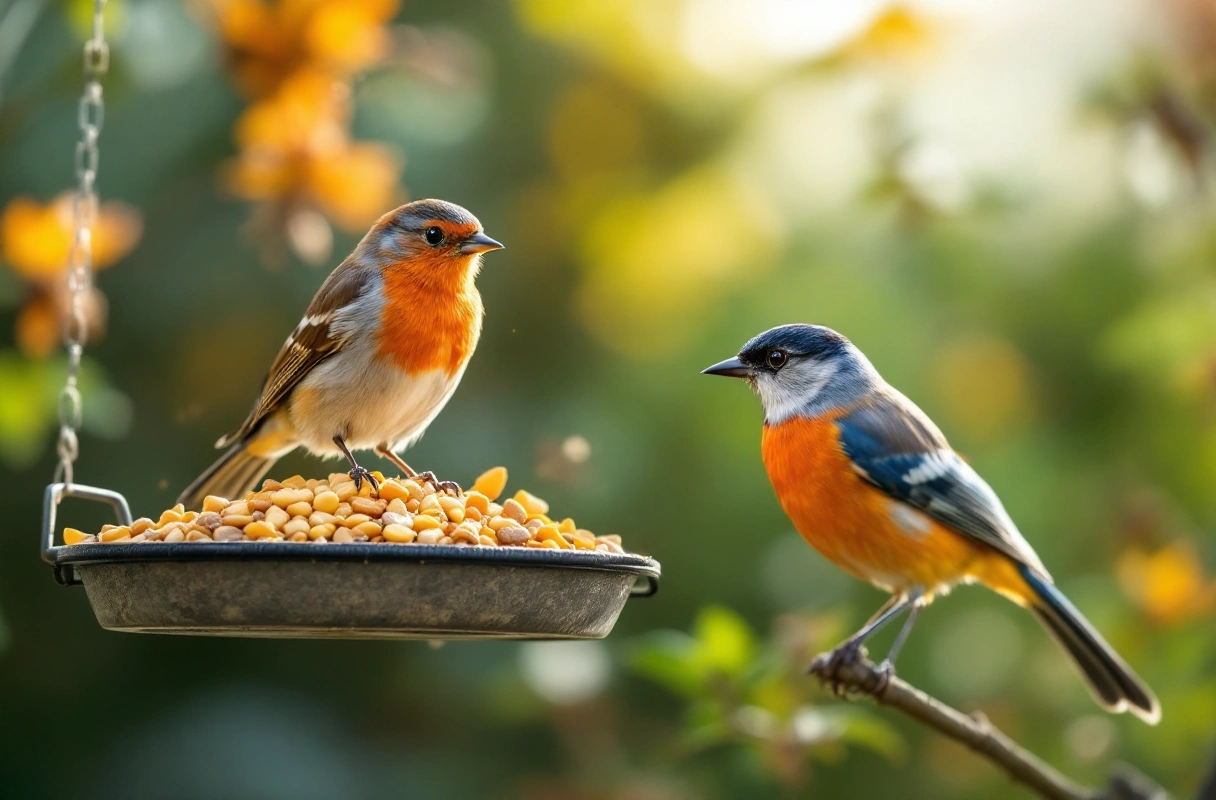
Birdwatching has become a popular hobby for many, not only because it connects us with nature but also because it offers a wealth of knowledge about the fascinating world of birds. Understanding bird facts can enhance your experience, particularly when it comes to attracting these beautiful creatures to your backyard. This guide delves into compelling bird facts, common bird behaviors, and effective backyard feeding habits that can lead to healthier flocks. Additionally, we will explore the top ten fascinating bird migration patterns you should know.

Birds are remarkable creatures, and their behaviors often reflect complex adaptations to their environments. From their migratory patterns to their communication methods, there is much to learn.
Bird facts not only enrich our appreciation of these animals but also empower us to create environments that support their well-being. Understanding the dietary preferences, nesting habits, and seasonal behaviors of different species can help you provide optimal feeding conditions in your backyard.
Despite the wealth of information available, there are still many misconceptions about birds that can hinder their conservation and our understanding of their needs.
Myth: All birds migrate long distances.
Myth: Birds can eat any food we provide.
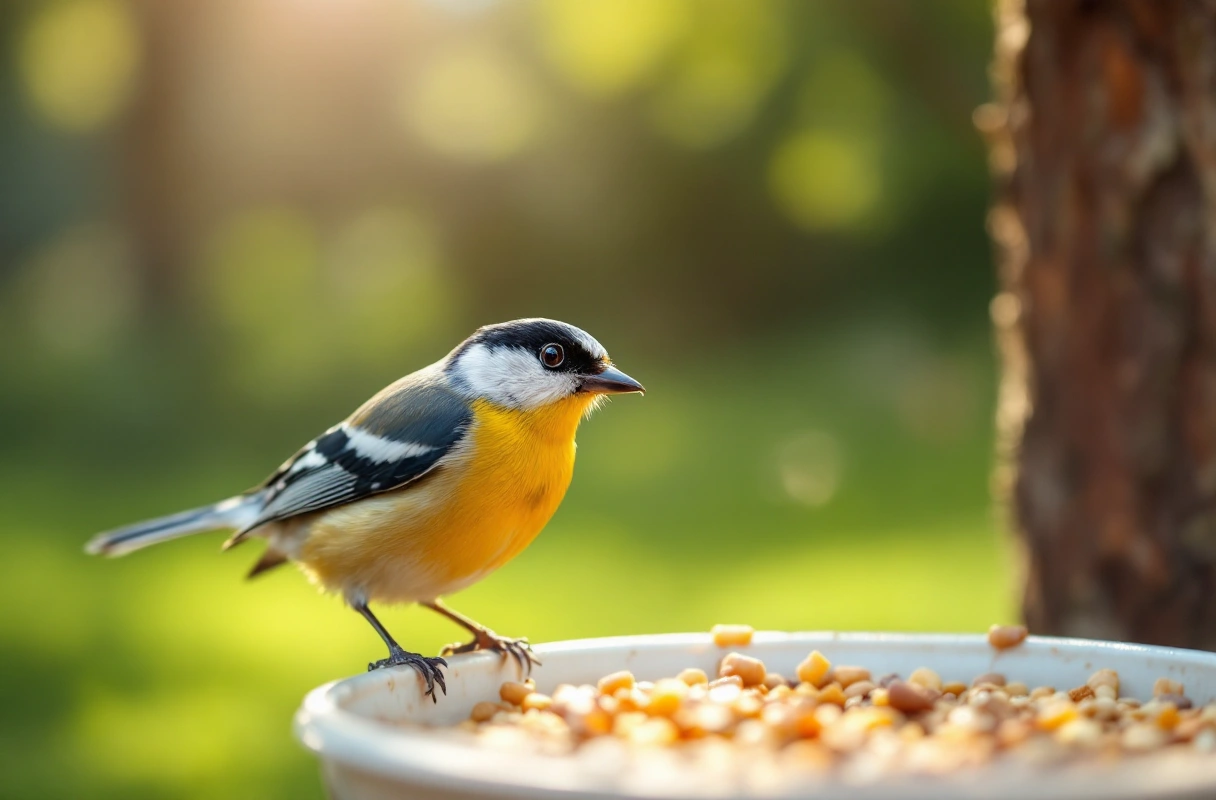
Creating a bird-friendly backyard involves more than just putting out feeders. It requires an understanding of bird habits and preferences, which can lead to healthier flocks visiting your space.
Selecting appropriate feeders is critical for attracting various bird species. Here are some options to consider:
Different birds have different dietary needs. Here are some popular bird feed types to consider for your backyard:
Water is just as crucial as food for birds. A clean source of water can attract birds year-round. Consider these options:

Bird migration is a captivating phenomenon that showcases the remarkable endurance and navigational skills of these creatures. Here are ten fascinating migration patterns that highlight the diversity of avian travel:
Arctic Tern: Known for the longest migration, traveling up to 44,000 miles from its breeding grounds in the Arctic to wintering grounds in the Antarctic.
Bar-tailed Godwit: Remarkably flies non-stop over 7,000 miles from Alaska to New Zealand without resting.
Ruby-throated Hummingbird: Migrates from North America to Central America, crossing the Gulf of Mexico in a single flight.
Swallow-tailed Kite: Travels over 5,000 miles from North America to South America, often following the coastlines.
Common Swift: This bird spends its entire life in the air, migrating thousands of miles between Europe and Africa.
Sandhill Crane: Known for its impressive formation flying, these cranes migrate in large flocks, covering vast distances.
Eastern Phoebe: A smaller songbird that migrates from the eastern United States to Central America, relying on insects for food during its journey.
American Robin: While many robins remain year-round in the southern U.S., those in northern regions migrate south for winter.
Peregrine Falcon: These raptors migrate between their breeding grounds in the Arctic and wintering areas in the southern U.S. and beyond.
Yellow Warbler: This small songbird migrates from North America to Central America, showcasing a beautiful yellow plumage during its travels.
Understanding these migration patterns can deepen your appreciation for birds and their extraordinary journeys.
To foster a bird-friendly environment, consider the following actionable insights:
While feeding birds can be rewarding, there are common pitfalls to avoid:
In summary, understanding bird facts and implementing effective backyard feeding habits can create a welcoming environment for a variety of bird species. By providing the right food, water, and shelter, you can support healthier flocks in your area.
At Banana Slug Club, we are dedicated to promoting awareness and appreciation of our avian friends. Whether you are a seasoned birdwatcher or a newcomer to the hobby, the insights shared in this guide can help you enhance your backyard experience. To learn more about how to attract and care for birds in your area, feel free to reach out and contact Banana Slug Club. We are here to assist you in making the most of your birdwatching endeavors. Visit Banana Slug Club today for more resources and information on creating a vibrant, bird-friendly space.
Get free resources, early access to new features and updates.
No spam. Just fun educational emails!


.svg)
.svg)