A Complete Guide to Crustaceans Tools and Techniques
Crustaceans are a diverse group of aquatic animals that play a vital role in marine ecosystems. From shrimp to crabs and lobsters, these creatures are not only crucial for the environment but also significant for the fishing industry and culinary arts. In this complete guide, we will explore the various tools and techniques used in the study and harvesting of crustaceans, as well as strategies to enhance your efforts in this fascinating field.
Understanding crustaceans requires an appreciation of their biology, habitat, and behavior. This guide aims to provide you with comprehensive insights into effective methods for studying, harvesting, and utilizing crustaceans. Whether you are a researcher, fisherman, or culinary enthusiast, this guide will equip you with the necessary knowledge to thrive in your endeavors.
The Importance of Crustaceans
Crustaceans are not only a source of food for many species in the aquatic ecosystem but also for humans. They are rich in protein and essential nutrients, making them a staple in diets worldwide. Moreover, crustaceans contribute significantly to the global economy, especially in regions where fishing is a primary source of income.
In addition to their economic value, crustaceans serve critical ecological roles. They help maintain the balance of marine ecosystems by serving as scavengers, feeding on detritus and dead organic matter. This process aids in nutrient cycling and supports the health of aquatic environments.
Key Characteristics of Crustaceans
To effectively work with crustaceans, one must understand their key characteristics. These include:
- Exoskeleton: Crustaceans possess a hard outer shell that provides protection and support.
- Jointed Appendages: They have jointed legs and antennae that allow for mobility and sensory perception.
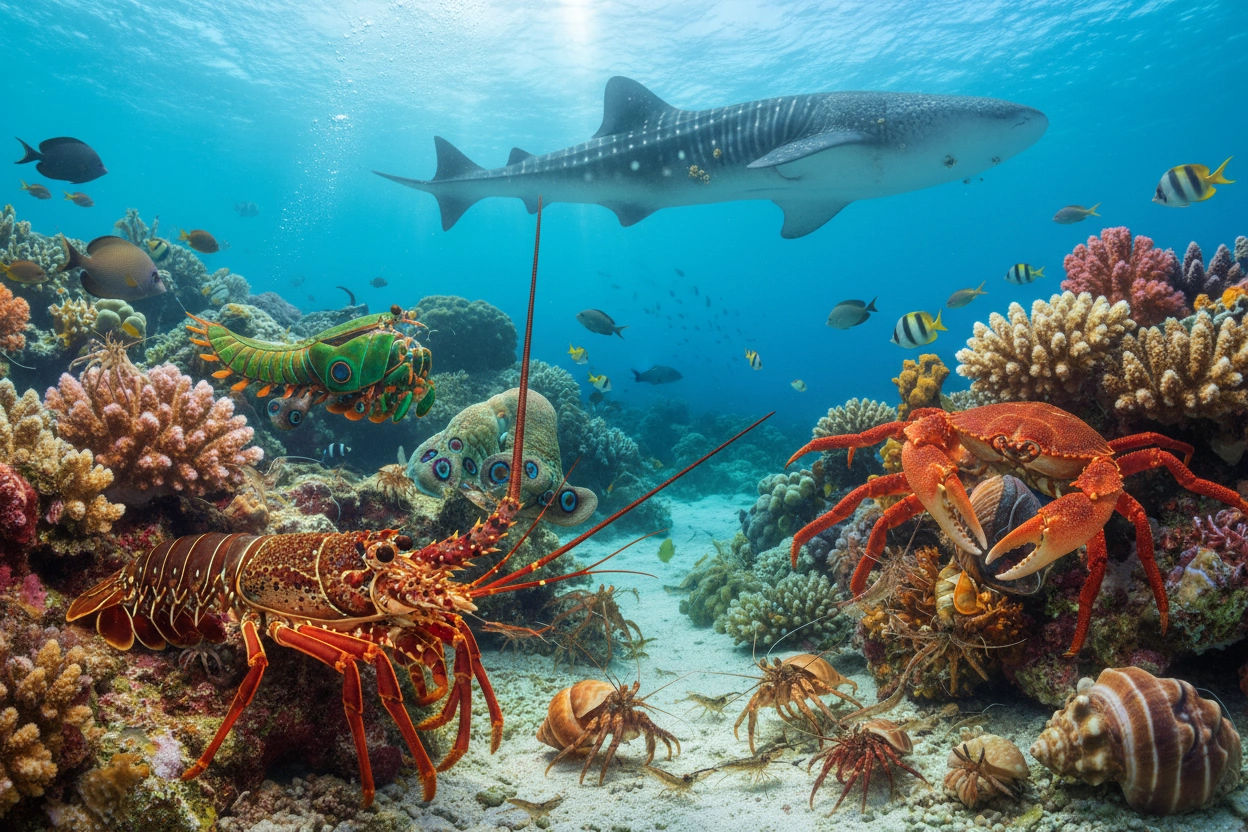
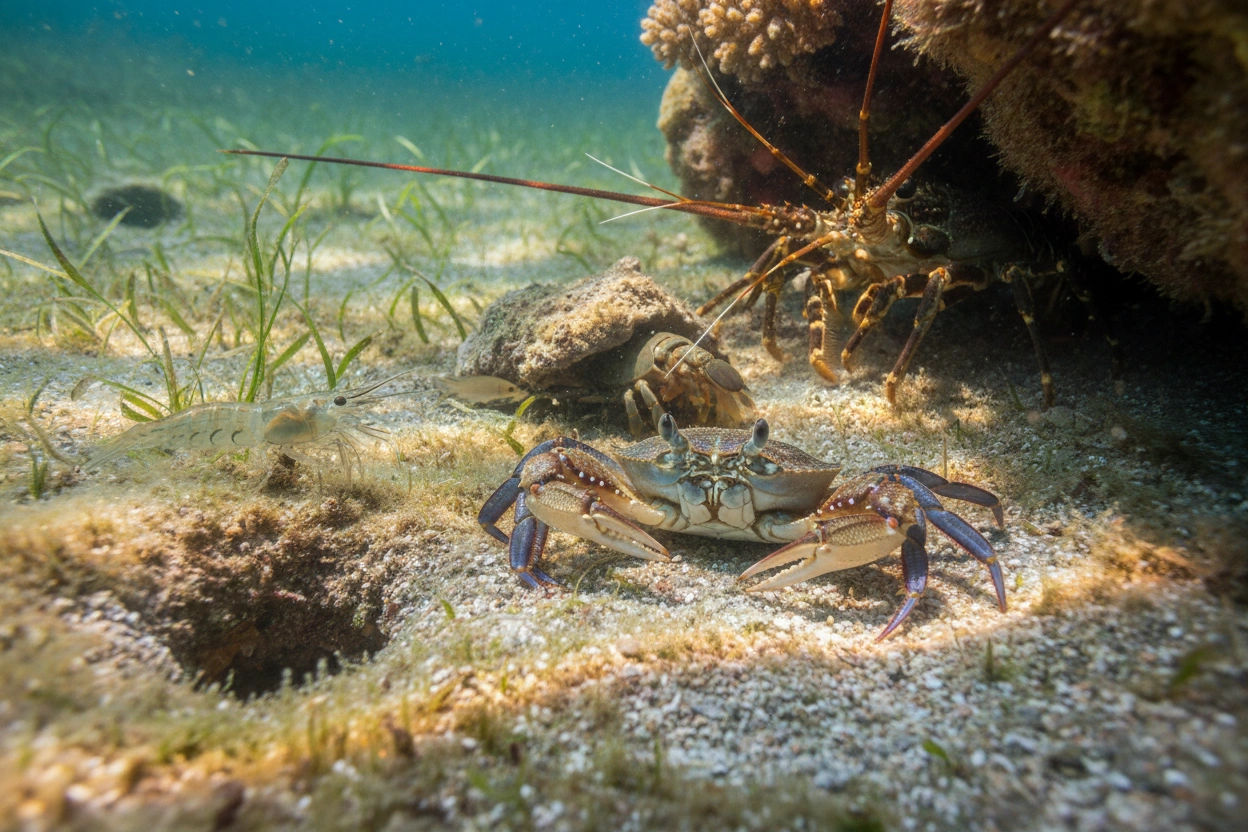
- Habitat Diversity: Crustaceans inhabit various environments, from freshwater rivers to deep ocean waters.
Understanding these characteristics is essential for selecting the right tools and techniques for studying or harvesting these creatures.
Top Crustaceans Strategies
When it comes to working with crustaceans, employing effective strategies can make a significant difference in your success. Here are some of the top strategies to consider:
Research Local Species
- Understanding the specific crustacean species in your area is crucial. Different species have varying habitats, behaviors, and peak seasons for harvesting.
- Utilize local fishing reports and scientific studies to gather information about the crustaceans you are interested in.
Select Appropriate Tools
- The tools you use can significantly impact your efficiency and success. Common tools for crustacean harvesting include:
- Traps: These are essential for capturing crabs and lobsters. Choose traps designed for the specific species you are targeting.
- Nets: Use specialized nets for shrimp harvesting. The mesh size should be suitable to prevent smaller species from escaping.
- Measuring Devices: Accurate measurement tools are vital for ensuring compliance with local regulations regarding size limits.
Understand Harvesting Techniques
- Different techniques can be employed based on the species and environment. Some effective methods include:
- Baiting Traps: Use bait that attracts the specific crustacean species you are targeting. Fish heads, chicken necks, and other organic materials can be effective.
- Timing: Harvesting at the right time of day or season can enhance your success. Many crustaceans are more active during specific tidal conditions or temperatures.
Follow Sustainable Practices
- It is essential to practice sustainable harvesting to ensure the longevity of crustacean populations. This includes:
- Adhering to Regulations: Always follow local regulations regarding size limits and seasons.
- Minimizing Bycatch: Use tools and techniques that limit the capture of non-target species.
Utilize Technology
- Modern technology can significantly enhance your crustacean harvesting efforts. Consider using:
- Sonar Devices: These can help locate crustacean populations in deeper waters.
- Mobile Apps: Various apps provide information on tides, weather, and fishing regulations, aiding in planning your harvesting efforts.
Tools and Equipment for Crustacean Harvesting
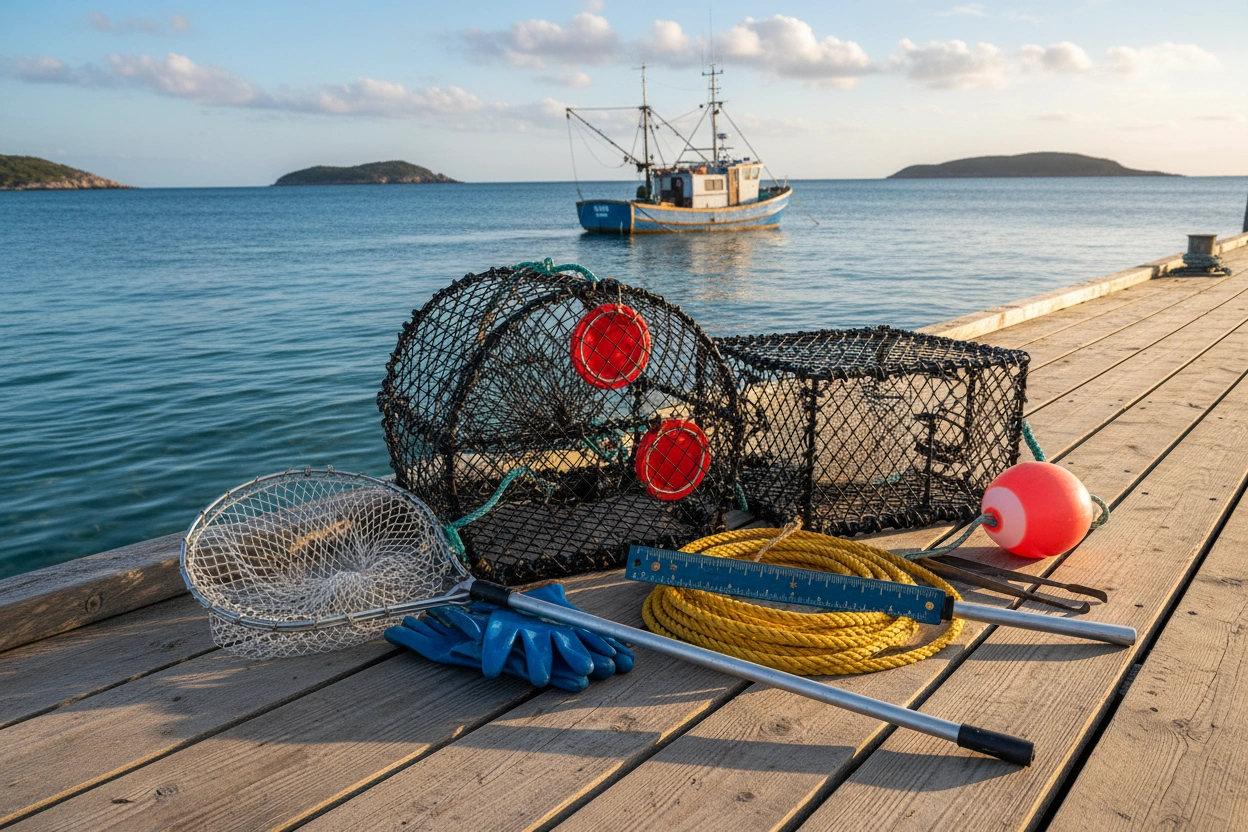
Having the right tools is essential for effective crustacean harvesting. Here is a detailed overview of the tools you may need:
Traps
Traps are one of the primary tools for catching crustaceans. The type of trap you choose should depend on the species you are targeting:
- Crab Traps: These are usually rectangular or circular and are designed to allow crabs to enter but not escape. They often come with bait compartments.
- Lobster Traps: Lobster traps are larger and more robust. They typically have escape vents to allow smaller lobsters to exit, ensuring sustainability.
- Shrimp Traps: These are often lightweight and designed to be placed in shallower waters.
Nets
Nets are versatile tools used for catching crustaceans, especially in shallow waters:
- Cast Nets: Ideal for catching shrimp, these nets can be thrown by hand to catch multiple crustaceans at once.
- Dip Nets: Useful for catching crustaceans in confined spaces or when they are close to the surface.
Measuring Tools
Accurate measurement is crucial in crustacean harvesting to comply with legal size limits:
- Calipers: These can provide precise measurements of crustacean sizes.
- Measuring Tape: A flexible tape is useful for larger crustaceans.
Bait and Attractants
Selecting the right bait can significantly influence your success:
- Fish Parts: Many crustaceans are attracted to fish heads or guts.
- Chicken Neck: This is a popular bait for crabs, as they are particularly drawn to it.
Common Mistakes and How to Avoid Them
Despite having the right tools and techniques, many individuals make common mistakes that can hinder their success. Here are some pitfalls to avoid:
- Ignoring Local Regulations: Always familiarize yourself with local laws regarding crustacean harvesting. Failure to comply can result in fines or loss of equipment.
- Overlooking Species Identification: Misidentifying species can lead to unintentional bycatch or illegal harvesting. Always ensure you can accurately identify the crustaceans you are targeting.
- Neglecting Environmental Conditions: Weather, tides, and water temperature can significantly impact crustacean activity. Always monitor these conditions before heading out.
The Role of Crustaceans in Culinary Arts
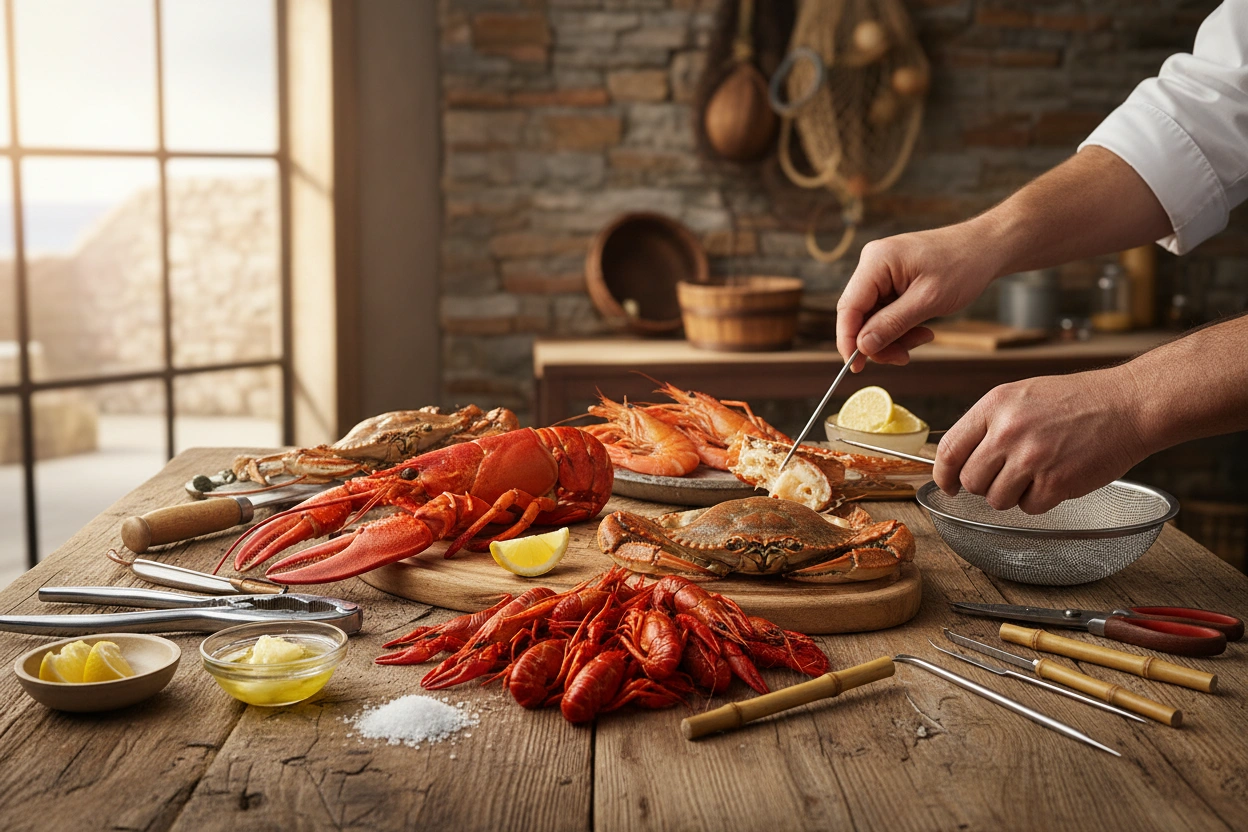
Crustaceans are not only vital for ecological and economic reasons but also play a significant role in culinary arts. They are cherished ingredients in various cuisines worldwide, offering unique flavors and textures. Here are some popular crustaceans and their culinary uses:
Shrimp
Shrimp are one of the most consumed crustaceans globally. They can be prepared in numerous ways, including:
- Grilling: Shrimp can be marinated and grilled for a smoky flavor.
- Sautéing: Quick sautéing with garlic and herbs enhances their natural sweetness.
- Boiling: Boiled shrimp are often served with cocktail sauce as an appetizer.
Crabs
Crabs are celebrated for their delicate meat and versatility in dishes. Some popular preparations include:
- Crab Cakes: These are made by mixing crab meat with breadcrumbs and spices, then frying or baking them.
- Steamed Crabs: Steaming crabs with spices is a traditional method that highlights their flavor.
- Crab Boil: A southern classic, this dish involves boiling crabs with potatoes, corn, and seasonings.
Lobsters
Lobsters are considered a luxury seafood item. They can be prepared in various exquisite ways:
- Lobster Tail: Grilled or broiled, lobster tails are often served with melted butter.
- Lobster Bisque: This creamy soup is made from lobster stock and meat, providing a rich and flavorful experience.
- Stuffed Lobster: Lobsters can be stuffed with a mixture of breadcrumbs, herbs, and spices for an elevated dish.
The Future of Crustacean Harvesting
The future of crustacean harvesting will likely be influenced by various factors, including climate change, technological advancements, and evolving consumer preferences. Here are some trends to watch for:
- Sustainable Practices: As awareness of environmental issues grows, sustainable harvesting methods will become increasingly important.
- Aquaculture Growth: The demand for crustaceans will likely lead to advancements in aquaculture, providing more controlled environments for breeding and harvesting.
- Innovative Technologies: The integration of technology in harvesting practices will continue to evolve, offering new tools for locating and capturing crustaceans.
Embracing the World of Crustaceans with Banana Slug Club
The exploration of crustaceans provides a unique opportunity to understand their ecological significance, culinary potential, and the tools and techniques necessary for effective harvesting. As you delve deeper into this fascinating world, consider how the knowledge gained can enhance your practices, whether in research, fishing, or cooking.
At Banana Slug Club, we are committed to supporting individuals interested in the realm of crustaceans. Our resources and community can help you further your understanding and application of the insights shared in this guide. For more information and to connect with like-minded enthusiasts, visit Banana Slug Club. Join us in celebrating the diversity and importance of crustaceans in our ecosystems and culinary traditions.


.svg)
.svg)