Amphibians are a fascinating and diverse group of animals that have captivated the interest of scientists and nature enthusiasts alike. These creatures, which include frogs, toads, salamanders, and newts, are characterized by their unique life cycles, physiological adaptations, and ecological importance. As of 2026, understanding amphibians is more critical than ever due to their declining populations worldwide. This guide delves into the unique traits of amphibians, their habitats, and the top conservation efforts aimed at protecting them.
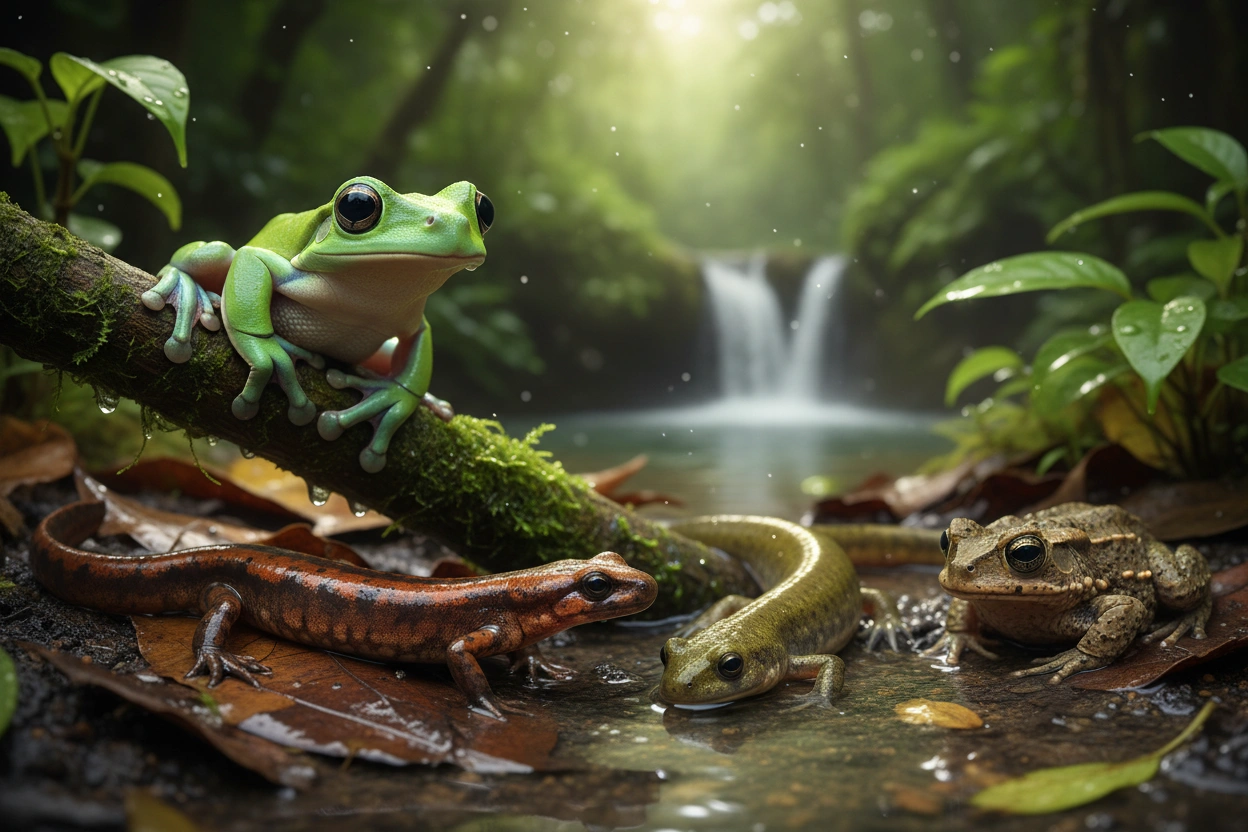
Amphibians are cold-blooded vertebrates that typically undergo a metamorphosis from a juvenile aquatic stage to an adult terrestrial form. This dual life cycle is a defining characteristic of amphibians, which can be observed in their reproductive and developmental processes. Amphibians play a vital role in ecosystems, acting as both predators and prey within their food webs.
Amphibians possess several unique traits that differentiate them from other vertebrates. These include:
Moist Skin: Unlike reptiles, amphibians have permeable skin that allows for cutaneous respiration. This means they can absorb oxygen directly through their skin, which is essential for their survival in moist environments.
Metamorphosis: The life cycle of amphibians involves significant transformation. For instance, a frog begins life as an egg, hatches into a tadpole, and eventually metamorphoses into a frog. This process is not only fascinating but also allows amphibians to occupy different ecological niches at various life stages.
Vocalization: Many amphibians, particularly frogs, are known for their vocal calls, which serve various purposes such as attracting mates, defending territory, and communicating with others. The diversity of calls is remarkable, with each species having distinct sounds.
Frog habitats vary widely, reflecting the adaptability and ecological diversity of amphibians. They can be found in various environments, including:
Freshwater Bodies: Ponds, lakes, rivers, and streams are primary habitats for many amphibians. These aquatic environments provide breeding grounds and abundant food sources.
Wetlands: Marshes and swamps are crucial ecosystems for amphibians, offering shelter and breeding sites. Wetlands also serve as vital buffers against flooding and play a role in water purification.
Forests and Grasslands: Many amphibians thrive in terrestrial habitats, where they can find moisture and cover. Forests provide a rich array of insects for food, while grasslands offer open space for movement and breeding.

As amphibian populations continue to decline due to habitat loss, climate change, pollution, and disease, conservation efforts are essential for their survival. Here are ten notable initiatives aimed at protecting amphibians:
Habitat Restoration Projects: Organizations worldwide are working to restore wetlands and other critical habitats to support amphibian populations. Restoration efforts often involve removing invasive species and replanting native vegetation.
Captive Breeding Programs: Many species of amphibians are at risk of extinction. Captive breeding programs help maintain genetic diversity and reintroduce individuals into their natural habitats when conditions improve.
Public Awareness Campaigns: Educating the public about the importance of amphibians and the threats they face is crucial. Campaigns often focus on how individuals can help, such as reducing pesticide use and preserving local habitats.
Research Initiatives: Ongoing research helps scientists understand amphibian biology, ecology, and the factors contributing to their decline. This knowledge is essential for developing effective conservation strategies.
Legislation and Policy Advocacy: Advocacy for stronger environmental protections can lead to legislative changes that benefit amphibians. This includes pushing for stricter regulations on habitat destruction and pollution.
Citizen Science Projects: Engaging the public in monitoring amphibian populations can provide valuable data for researchers. Citizen science initiatives often involve training volunteers to identify and report amphibian sightings.
Climate Change Mitigation Efforts: Addressing climate change is crucial for the survival of amphibians. Conservation groups are working on strategies to reduce carbon emissions and create climate-resilient habitats.
Disease Management Programs: Amphibians are susceptible to diseases such as chytridiomycosis, caused by the chytrid fungus. Research and management programs are being implemented to monitor and control these diseases.
International Collaboration: Many amphibian species are migratory or spread across international borders. Collaborative efforts between countries are essential for effective conservation, as they help establish protected areas and share resources.
Sustainable Agriculture Practices: Promoting sustainable farming methods can reduce pesticide runoff and habitat destruction. Encouraging farmers to maintain buffer zones around water bodies can help protect amphibian habitats.
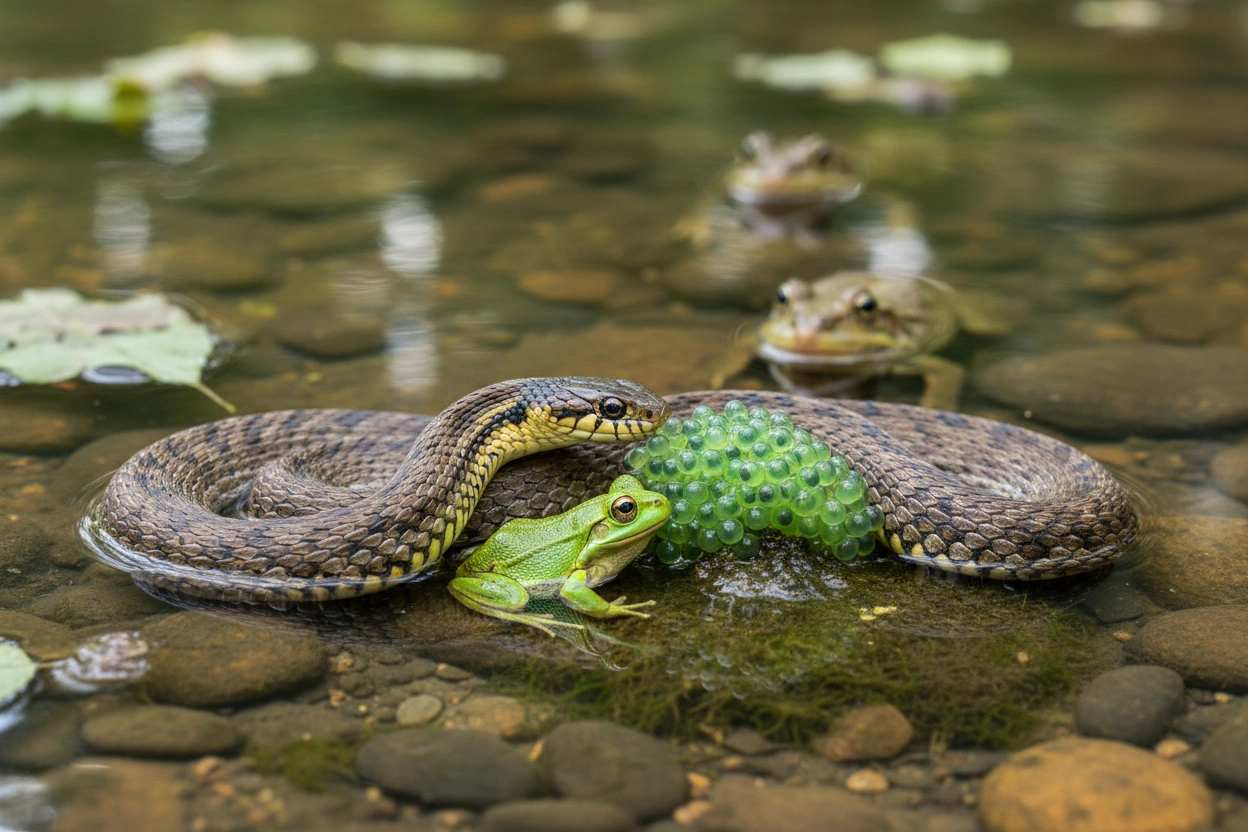
Despite their ecological importance, many misconceptions about amphibians persist. Addressing these misconceptions is vital for fostering a better understanding of these creatures:
Misconception 1: All Amphibians Are Poisonous: While some amphibians, such as poison dart frogs, possess toxic skin secretions, many species are harmless and play essential roles in their ecosystems.
Misconception 2: Amphibians Are Not Important for Ecosystems: Amphibians serve as both predators and prey in food webs, helping to control insect populations and providing food for larger animals.
Misconception 3: Amphibians Are Only Found in Wet Areas: While many amphibians prefer moist environments, some species have adapted to drier habitats, demonstrating their ecological versatility.
Understanding the unique traits of amphibians is crucial in appreciating their role in our ecosystems. As we have explored, these remarkable creatures face numerous challenges that threaten their survival. Conservation efforts are essential in combating these threats and ensuring that amphibians continue to thrive in their natural habitats.
Banana Slug Club is dedicated to supporting amphibian conservation and educating the public about the importance of these species. By providing resources and engaging in initiatives that protect amphibians, we can work together to make a difference. If you want to Learn all about Amphibians or get involved in conservation efforts, visit Banana Slug Club. Your actions can contribute to a brighter future for amphibians and the ecosystems they inhabit.
Get free resources, early access to new features and updates.
No spam. Just fun educational emails!


.svg)
.svg)