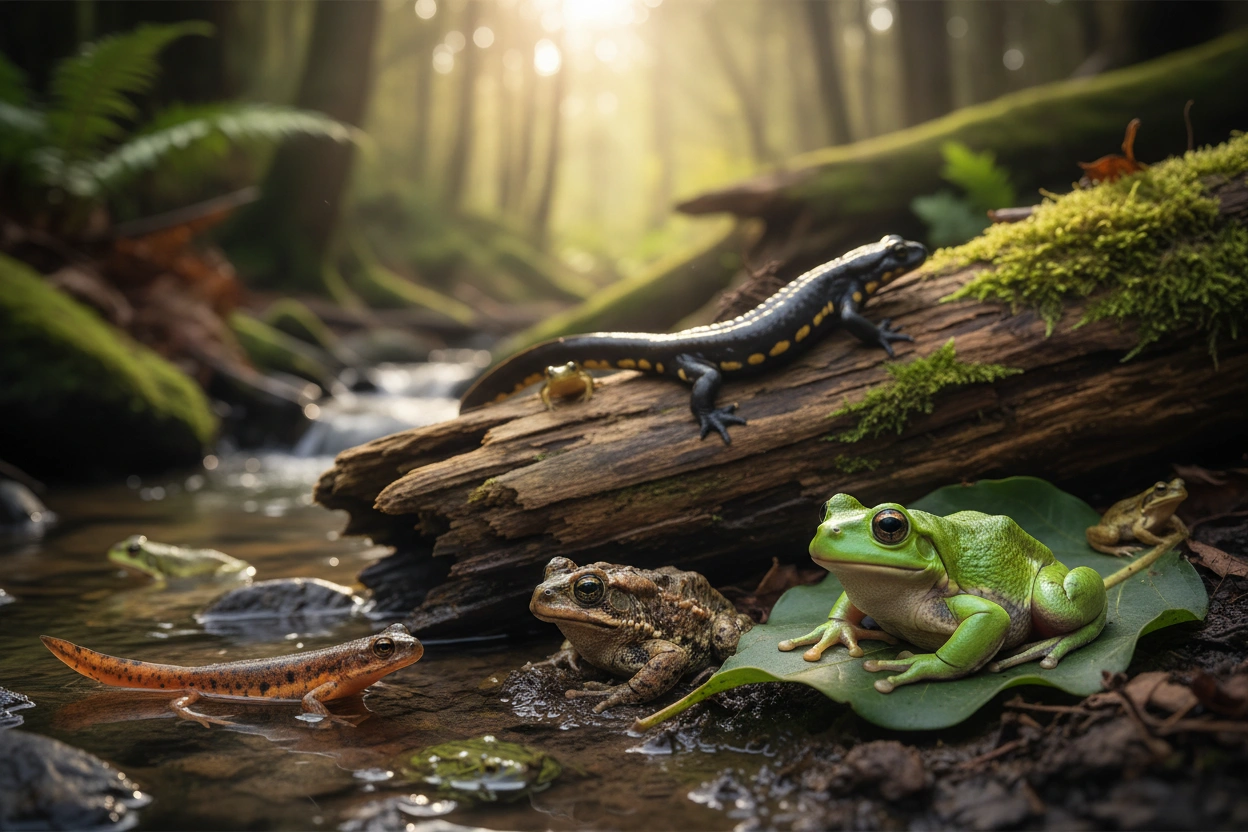
Amphibians are fascinating creatures that inhabit a range of environments, from lush rainforests to arid deserts. These cold-blooded vertebrates, which include frogs, toads, salamanders, and newts, are essential to our ecosystems. They play a crucial role in controlling insect populations and serve as indicators of environmental health. However, amphibians face numerous threats, including habitat loss, climate change and pollution. This guide aims to provide beginners with the knowledge needed to identify common amphibian species and understand their habitats and conservation efforts.
As we delve into the world of amphibians, we will explore their habitats, characteristics, and conservation efforts. Whether you are an aspiring naturalist, a student, or simply someone interested in wildlife, this guide will equip you with valuable insights to identify these remarkable animals.
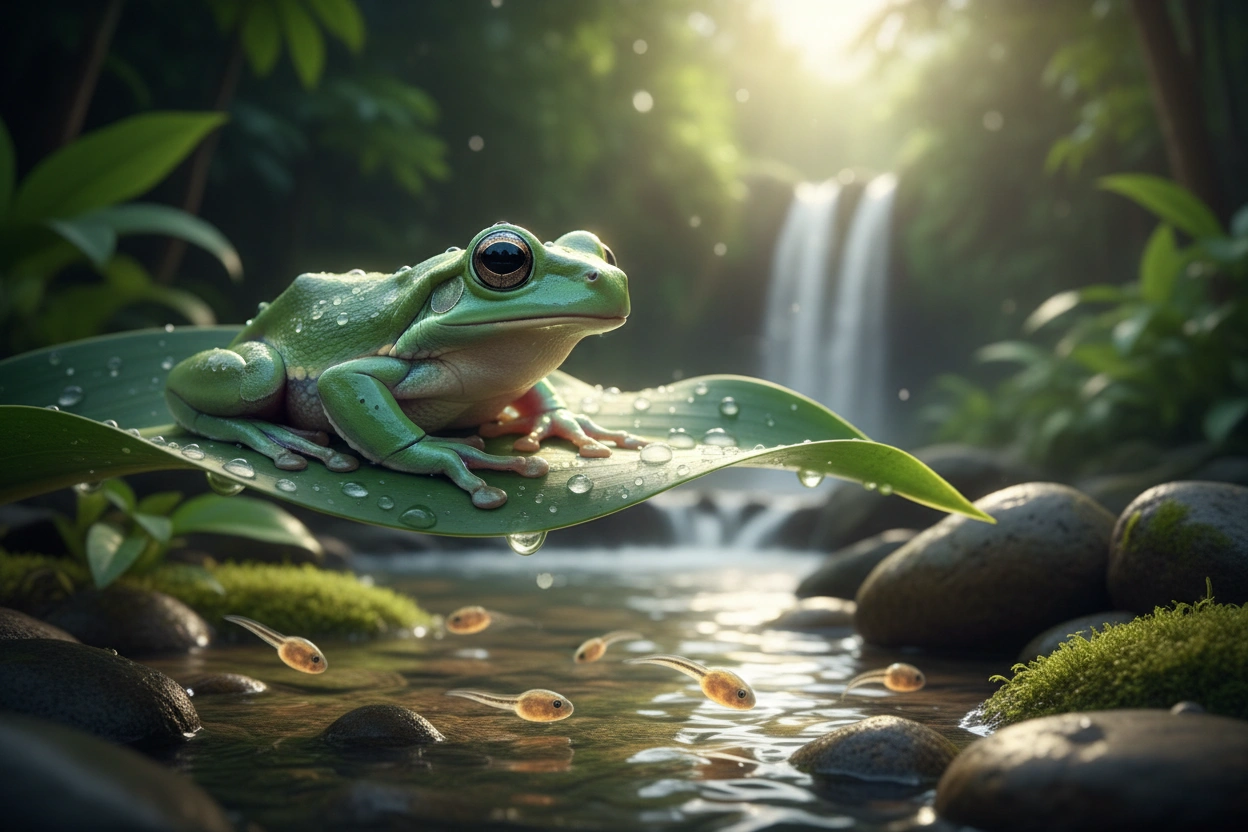
Amphibians are a class of animals known for their unique life cycle, which typically includes both aquatic and terrestrial stages. They undergo metamorphosis, starting life as eggs laid in water, hatching into larvae (tadpoles for frogs) that breathe through gills, and eventually transforming into adults that breathe air through lungs or skin. This duality of life is a defining feature of amphibians, allowing them to adapt to diverse environments.
Amphibians are characterized by their smooth, moist skin, which plays a vital role in respiration and hydration. Unlike reptiles, amphibians do not have scales; instead, their skin can absorb water and even some gases from the environment, making them highly susceptible to pollution and habitat changes. There are approximately 7,000 known species of amphibians, with frogs and toads being the most recognizable.
To effectively identify amphibian species, it is essential to understand their key characteristics. Here are some notable features:
By recognizing these characteristics, you can begin to identify various amphibian species in your region.
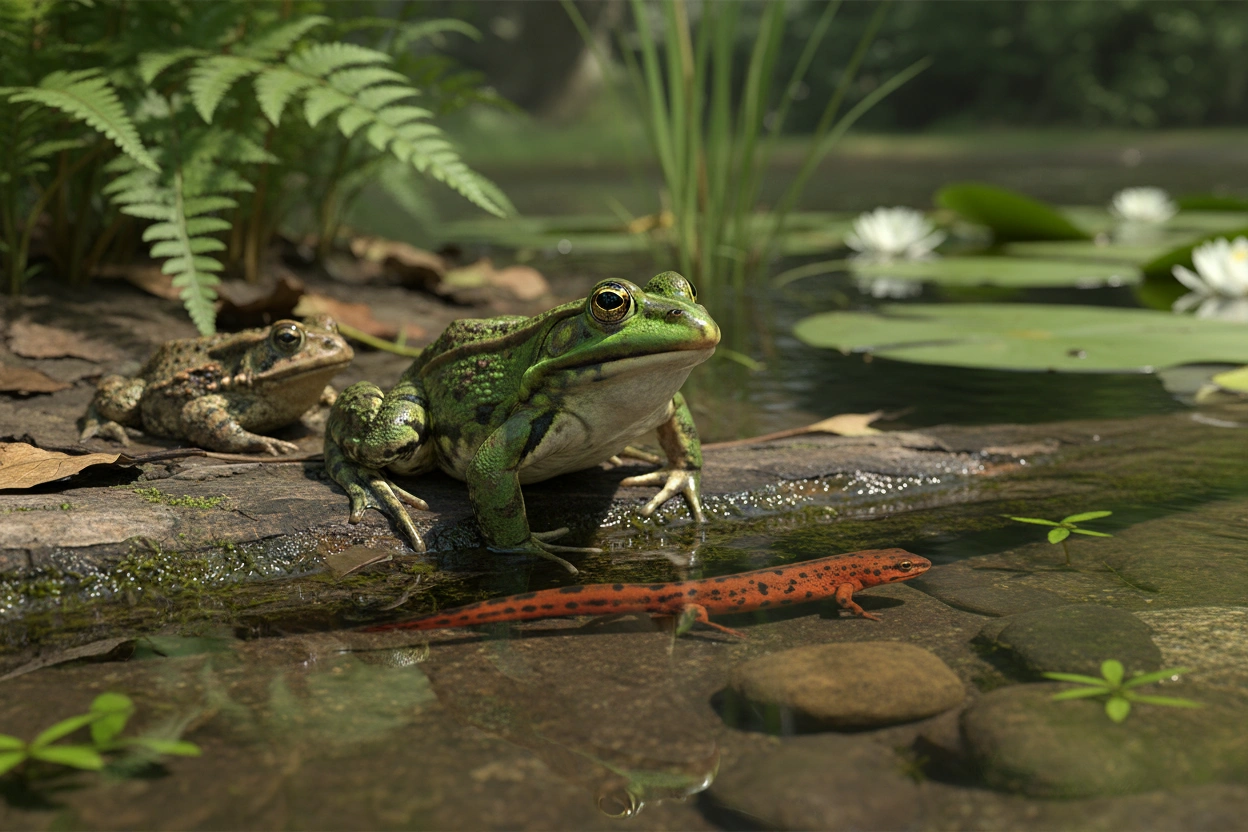
Identifying amphibians can be an exciting endeavor. Here are some common species found in various habitats:
The American Bullfrog is one of the largest frog species in North America. It can grow up to 8 inches in length and is recognized by its deep croaking call. These frogs inhabit ponds, lakes, and marshes, where they thrive in warm, shallow waters.
The Common Toad is widely distributed across Europe and parts of Asia. This species is known for its warty skin and stocky body. They often prefer gardens, woodlands, and grasslands, where they can find ample food sources.
Native to Central America, the Red-Eyed Tree Frog is famous for its striking appearance, with bright green skin and vibrant red eyes. This arboreal species primarily inhabits rainforests and is often found in the foliage near water sources.
The Eastern Newt is a small salamander that can be found in North America. Its life cycle includes an aquatic larval stage and a terrestrial juvenile stage known as the red eft. These newts inhabit ponds, lakes, and slow-moving streams.
The Pacific Tree Frog is a small frog native to the western United States. It is known for its distinctive call, which sounds like a high-pitched "ribbit." This species can be found in a variety of habitats, including forests, grasslands, and urban areas.
By familiarizing yourself with these common species, you will be better equipped to identify amphibians in your local environment.

Understanding the habitats of amphibians is crucial for their identification and conservation. Amphibians are often found in specific environments that provide the resources they need for survival. Understanding the habitats of amphibians is crucial for their identification and conservation.
The preservation of amphibian habitats is vital for their survival. Urban development, pollution, and climate change threaten these environments, leading to declining amphibian populations. Supporting habitat conservation efforts can significantly impact the future of these species.
As amphibians face numerous threats, several conservation efforts are underway to protect these remarkable creatures. Here are ten key initiatives you can support:
Habitat Restoration: Supporting organizations that restore wetlands and other critical habitats can help provide safe breeding and feeding grounds for amphibians.
Pollution Control: Advocating for policies that reduce pollution in water bodies can significantly impact amphibian health and survival.
Education and Awareness: Participating in educational programs can help raise awareness about the importance of amphibians and the threats they face.
Citizen Science Projects: Engaging in citizen science initiatives allows individuals to contribute data on amphibian populations and distributions, aiding researchers in conservation efforts.
Invasive Species Management: Supporting programs that manage invasive species can protect native amphibian populations from competition and predation.
Wildlife Corridors: Promoting the creation of wildlife corridors can help amphibians safely navigate between habitats, enhancing genetic diversity.
Legislation Support: Advocating for laws that protect amphibians and their habitats is crucial for long-term conservation.
Research Funding: Contributing to or supporting research initiatives that study amphibian populations and health can provide valuable insights for conservation.
Community Engagement: Joining local conservation groups or initiatives can help mobilize community efforts to protect amphibians.
Sustainable Practices: Supporting sustainable agricultural and land-use practices can minimize habitat destruction and pollution, benefiting amphibian populations.
By actively supporting these conservation efforts, you can play a crucial role in the protection and preservation of amphibians.
Amphibians are vital components of ecosystems, contributing to both ecological balance and human health. Understanding their role can highlight the importance of their conservation.
The health of amphibian populations can directly influence human health. Many amphibians are studied for their unique biochemical properties, which have potential applications in medicine. For instance, some species produce antimicrobial peptides that could lead to new treatments for infections.
By recognizing the interconnectedness of amphibians and human health, we can appreciate the urgency of their conservation.
As you embark on your journey to identify and understand amphibians, remember that your efforts can contribute to their conservation. The Banana Slug Club is dedicated to promoting awareness and action around amphibian conservation. By engaging with our initiatives, you can learn more about local species, participate in conservation projects, and help spread the word about the importance of these remarkable creatures.
Understanding the intricacies of amphibians, their habitats, and the conservation efforts necessary to protect them is essential for fostering a healthier ecosystem. The Banana Slug Club is here to support you in your journey of discovery and advocacy. By participating in our programs, you can make a tangible difference in the lives of amphibians.
To learn more about how you can get involved and support amphibian conservation, visit the Banana Slug Club today. Your engagement can help ensure that these incredible species continue to thrive for generations to come.
Get free resources, early access to new features and updates.
No spam. Just fun educational emails!


.svg)
.svg)