A Beginner’s Guide to Birding: Spotting Birds of Prey Safely

No items found.
Updated on:
January 26, 2026
Beginner’s Guide to Birding: Spotting Birds of Prey
Updated on:
January 26, 2026

A Beginner’s Guide to Birding: Spotting Birds of Prey Safely

Birdwatching, or birding, is a rewarding hobby that connects enthusiasts with the beauty of nature. Among the most fascinating subjects for birdwatchers are birds of prey, also known as raptors. These majestic creatures include eagles, hawks, falcons, and owls, and they play a crucial role in maintaining the balance of ecosystems. This guide aims to provide beginners with the knowledge and techniques necessary to spot birds of prey safely, enhancing their birdwatching experience and fostering a deeper appreciation for these incredible birds.

Understanding Birds of Prey

Professional image illustrating Understanding Birds of Prey

Birds of prey are characterized by their keen eyesight, powerful talons, and hooked beaks, which they use to hunt and consume prey. They are apex predators, meaning they are at the top of their food chain and have no natural predators. Understanding their behavior and habitat is essential for successful birding.

Characteristics of Raptors

Raptors have several distinctive features that set them apart from other birds. These include:

  • Keen Eyesight: Birds of prey possess exceptional vision, allowing them to spot prey from great distances. For instance, a bald eagle can see four to five times better than humans.
  • Strong Talons: Their sharp claws are designed for gripping and killing prey. The size and strength of these talons vary among species, with larger raptors like the golden eagle having powerful grips capable of crushing bones.
  • Hooked Beaks: Raptors have beaks that are curved downward, which aids in tearing flesh. This adaptation is crucial for their hunting lifestyle.

Common Types of Birds of Prey

Understanding the different types of raptors can significantly enhance your birdwatching experience. The following are some common birds of prey you might encounter:

  • Eagles: Known for their size and strength, eagles are often found near large bodies of water where they hunt fish.
  • Hawks: These versatile hunters can adapt to various habitats and are often seen soaring in open fields or perched on tree branches.
  • Falcons: Renowned for their speed, falcons are agile hunters that can dive at incredible velocities to catch their prey mid-air.
  • Owls: Nocturnal by nature, owls are often recognized by their distinctive hoots and silent flight. They are primarily active at night, making them unique among raptors.

Behavior of Raptors: A Detailed Overview

Professional image illustrating Behavior of Raptors: A Detailed Overview

Understanding the behavior of birds of prey is vital for successful spotting and identification. Raptors exhibit a range of behaviors that can signal their presence or indicate their hunting strategies.

Hunting Techniques

Raptors employ various hunting strategies depending on their species and the type of prey they target. Some common techniques include:

  • Soaring: Many raptors, such as hawks and eagles, utilize thermal updrafts to soar high in the sky, scanning the ground for potential prey.
  • Perching: Some species, like kestrels, prefer to perch on high vantage points, allowing them to survey their surroundings for movement.
  • Ambush: Certain raptors, such as owls, may use stealth to approach their prey quietly, relying on their camouflage and silent flight to catch them off guard.

Breeding and Nesting Habits

Breeding season is a critical time for raptors, and understanding their nesting habits can aid in spotting them. Key points include:
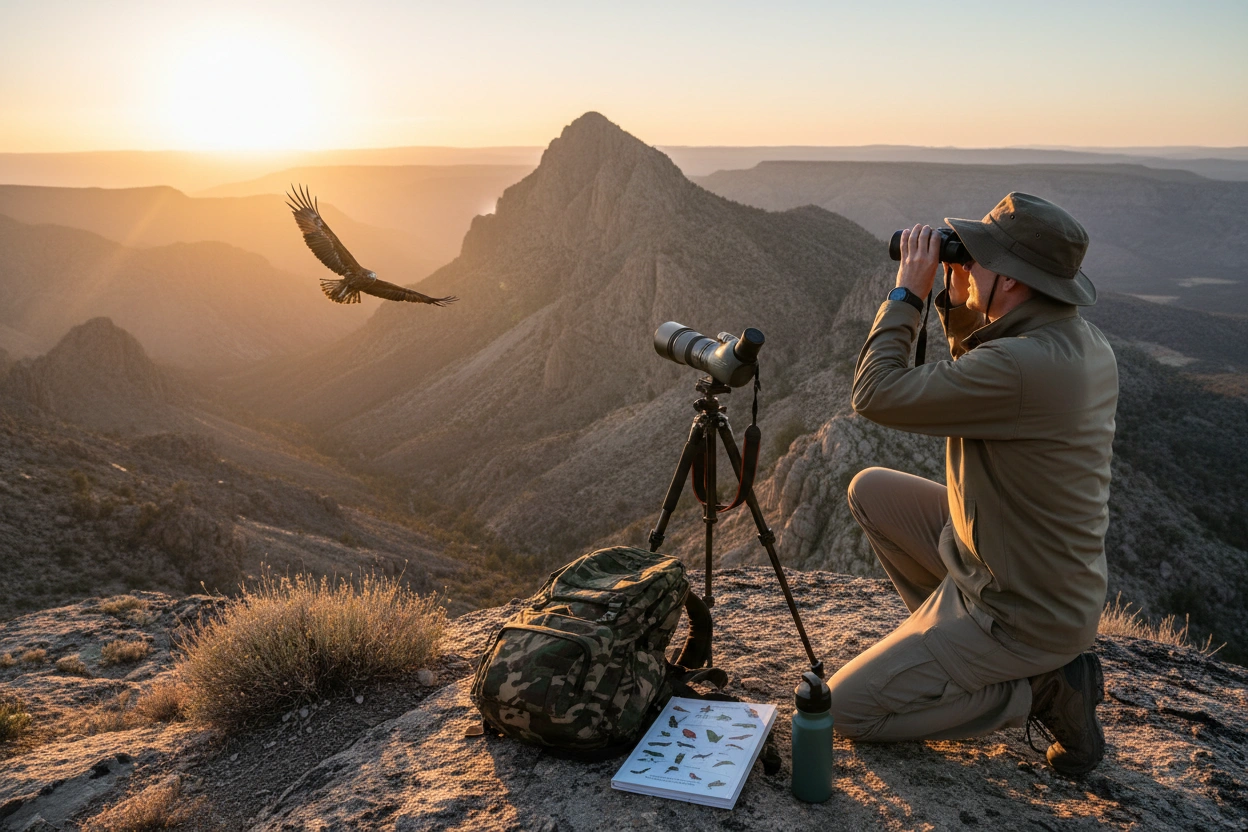
  • Nesting Locations: Raptors often build their nests in high, inaccessible places, such as cliffs or tall trees, to protect their young from predators.
  • Egg Laying: Most raptors lay a small number of eggs, typically ranging from one to three, and both parents may share incubation duties.
  • Fledging: Young raptors will fledge, or leave the nest, after a few weeks but may remain dependent on their parents for food for several months.

Essential Birdwatching Gear for Spotting Raptors

Professional image illustrating Essential Birdwatching Gear for Spotting Raptors

To effectively spot birds of prey, having the right gear is crucial. The following items will enhance your birdwatching experience:

Binoculars

Investing in a good pair of binoculars is essential for birdwatching. Look for binoculars that offer:

  • Magnification: A magnification of 8x to 10x is ideal for spotting raptors at a distance.
  • Objective Lens Diameter: A larger objective lens (e.g., 42mm) allows more light to enter, providing clearer images in low-light conditions.

Field Guides

Field guides are invaluable resources for identifying birds of prey. Choose guides that include:

  • Detailed Illustrations: Look for guides with accurate, colorful images that depict raptors in various poses and plumages.
  • Behavioral Information: Guides that provide insights into the behavior and habitats of raptors can help you anticipate where and when to spot them.

Notebook and Pen

Keeping a birdwatching journal can enhance your learning experience. Record your observations, including:

  • Species Identified: Note the different raptors you encounter during your outings.
  • Behavior Observed: Document any unique behaviors or hunting techniques you witness.

Tips for Spotting Birds of Prey Safely

Birding is an enjoyable pursuit, but it is essential to prioritize safety and respect for wildlife. Here are some tips for spotting birds of prey safely:

Choose the Right Location

Selecting appropriate locations can significantly improve your chances of spotting raptors. Consider the following:

  • Natural Habitats: Look for areas with open fields, forests, or near water bodies, as these are common habitats for birds of prey.
  • Birdwatching Tours: Joining guided birdwatching tours can provide access to prime raptor habitats and expert insights into their behavior.

Maintain a Safe Distance

It is crucial to observe birds of prey without disturbing them. To do this:

  • Use Binoculars: Avoid approaching too closely. Instead, use binoculars to observe from a distance.
  • Respect Nesting Sites: Be aware of local nesting seasons and avoid approaching known nesting sites to prevent stress on the birds.

Practice Patience and Quietness

Birdwatching requires patience and a quiet demeanor. Follow these practices:

  • Stay Still: Remain motionless while observing, as sudden movements can scare raptors away.
  • Minimize Noise: Speak softly and avoid loud noises that might disturb the natural environment.

Common Misconceptions About Birds of Prey

As with any field, there are common misconceptions about birds of prey that can lead to misunderstandings. Addressing these can enhance your birdwatching experience.

Misconception 1: All Birds of Prey Hunt During the Day

While many raptors, such as hawks and eagles, are diurnal (active during the day), some species, like owls, are nocturnal. Understanding the activity patterns of different raptors can help you plan your birdwatching trips effectively.

Misconception 2: Birds of Prey Are Dangerous to Humans

Although birds of prey are powerful hunters, they pose little threat to humans. Most raptors will avoid contact with people and are more likely to flee than confront. Respecting their space and observing from a distance ensures a safe encounter.

The Benefits of Birdwatching

Engaging in birdwatching offers numerous benefits beyond simply spotting birds of prey. Here are some key advantages:

  • Connection to Nature: Birdwatching fosters a deeper appreciation for wildlife and natural ecosystems.
  • Stress Relief: Spending time outdoors and focusing on birdwatching can reduce stress and promote mental well-being.
  • Community Engagement: Joining birdwatching groups or participating in birding events can connect you with like-minded individuals and foster friendships.

The Role of Organizations in Bird Conservation

Many organizations work tirelessly to protect birds of prey and their habitats. Supporting these organizations can contribute to conservation efforts. Some notable initiatives include:

  • Habitat Restoration: Many organizations focus on restoring natural habitats that are crucial for the survival of raptors.
  • Education Programs: Educational outreach efforts help raise awareness about the importance of birds of prey and their ecological roles.
  • Research and Monitoring: Ongoing research helps track raptor populations and understand their behaviors, contributing to effective conservation strategies.

Embracing the Birding Experience

Birding is not just about spotting birds of prey; it is a holistic experience that encompasses learning, connection, and appreciation for nature. By understanding the behavior of raptors and respecting their habitats, birdwatchers can enhance their adventures in the field.

The Importance of Ethical Birdwatching

Ethical birdwatching practices are vital for ensuring that raptors and their habitats remain protected. Follow these guidelines:

  • Leave No Trace: Always adhere to Leave No Trace principles, ensuring that your presence has minimal impact on the environment.
  • Educate Others: Share your knowledge about birds of prey with fellow birdwatchers and encourage ethical practices in the community.

The Intersection of Birding and Conservation

As you delve into the world of birding and begin spotting birds of prey, consider how your efforts can contribute to conservation. Organizations like the Banana Slug Club are committed to promoting birdwatching and conservation efforts. By engaging with such organizations, you can play a part in preserving the habitats that support these magnificent creatures.

Birdwatching not only enriches your life but also serves as a powerful tool for conservation. By appreciating birds of prey, you help advocate for their protection, ensuring future generations can experience the joy of observing these incredible animals.

Explore More with Banana Slug Club

As you embark on your birdwatching journey, remember that the Banana Slug Club is here to support your exploration of birds of prey. Whether you’re looking for information on local birdwatching tours or resources to enhance your knowledge, we invite you to visit our website for more information.

Contact Banana Slug Club today and join a community dedicated to fostering a love for birds and protecting their habitats. Together, we can ensure that the beauty of birds of prey continues to inspire and enrich the lives of birdwatchers everywhere.

Join the Banana Slug Club!

Get free resources, early access to new features and updates.
No spam. Just fun educational emails!