
Birdwatching is a fulfilling and enriching hobby that connects enthusiasts with the natural world. Among the most captivating subjects for birdwatchers are raptors, commonly referred to as birds of prey. These magnificent creatures, known for their keen eyesight, powerful talons, and impressive hunting skills, inspire awe and fascination. In this guide, we will explore effective identification tips for raptors, delve into their behavior, and provide insights to enhance your birdwatching experience.
Understanding the nuances of raptor identification can elevate your birdwatching tours and help you appreciate the complexity of these birds. Whether you are a novice or an experienced birdwatcher, this guide will equip you with valuable knowledge and practical tips for identifying various species of birds of prey.

To identify raptors effectively, one must first understand their behavior. Raptors exhibit unique traits that distinguish them from other bird species, and recognizing these behaviors can significantly enhance your identification skills.
Raptors employ different hunting strategies depending on their species and environmental conditions. Understanding these techniques can provide insight into their behaviors.
Understanding these hunting techniques not only aids in identification but also provides context for their ecological roles.
Raptors can exhibit varied social behaviors, ranging from solitary to social hunting. These behaviors can influence their identification.
Being aware of these social dynamics can help you identify raptors in different contexts and enhance your overall birdwatching experience.
Raptors are known for their strong territorial instincts, particularly during the breeding season. Observing their nesting habits and territorial displays can also aid in identification.
By observing these behaviors in the field, you can develop a deeper appreciation for the raptors you encounter, enhancing both your identification skills and your enjoyment of birdwatching.
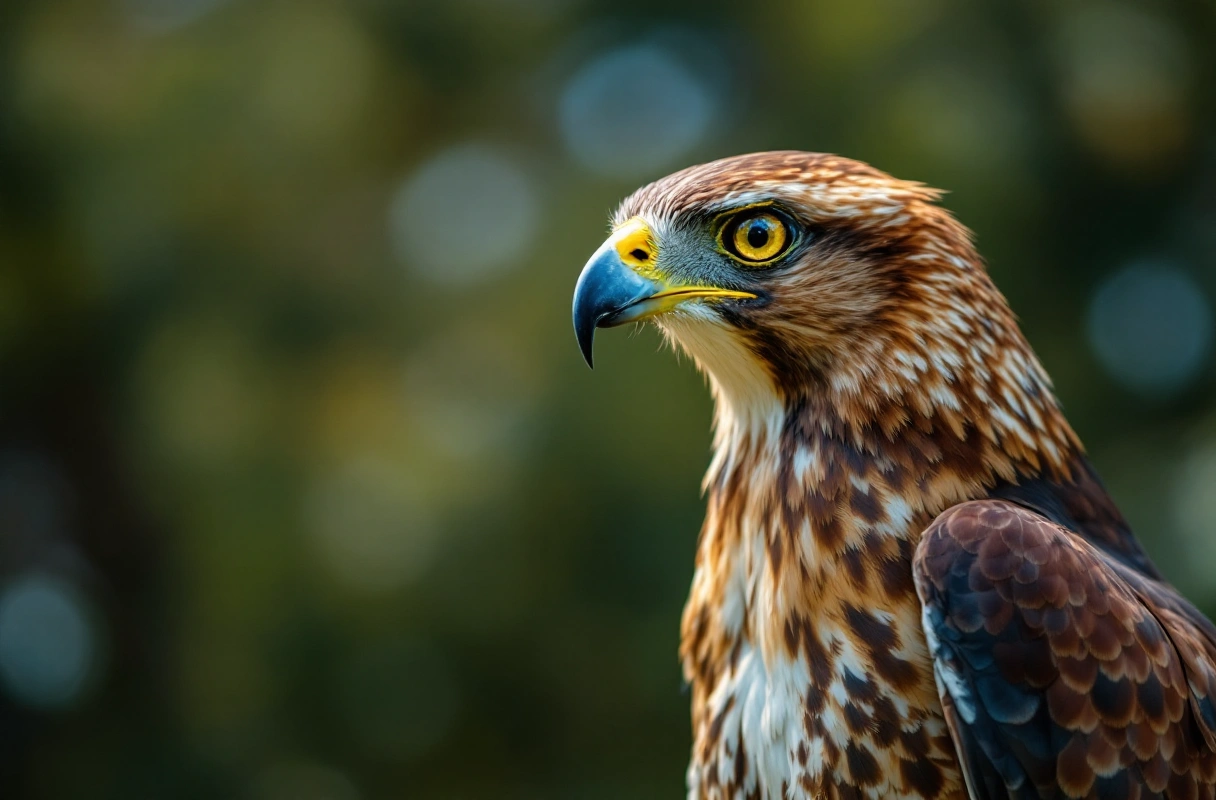
Identifying raptors can be challenging, but with practice and attention to detail, you can become proficient. Here are several essential tips for identifying birds of prey in the field.
When identifying raptors, size and shape are critical factors. Different species exhibit distinctive body shapes and sizes, which can help narrow down your identification.
Paying attention to these size and shape characteristics can help you differentiate between various raptor species.
The plumage of raptors can provide valuable clues for identification. Each species has unique color patterns and markings that can aid in recognition.
Developing your ability to identify these unique plumage features will greatly enhance your birdwatching experience.
Vocalizations are a crucial component of raptor identification. Different species have distinct calls that can help you recognize them even when they are not visible.
Investing time in learning raptor calls will enhance your ability to identify these birds in the field, even when visibility is limited.
Raptors are often found in specific habitats that can aid in their identification. Knowing where to look can increase your chances of spotting them.
By focusing on the preferred habitats of different raptor species, you can increase your chances of successful identification during your birdwatching tours.
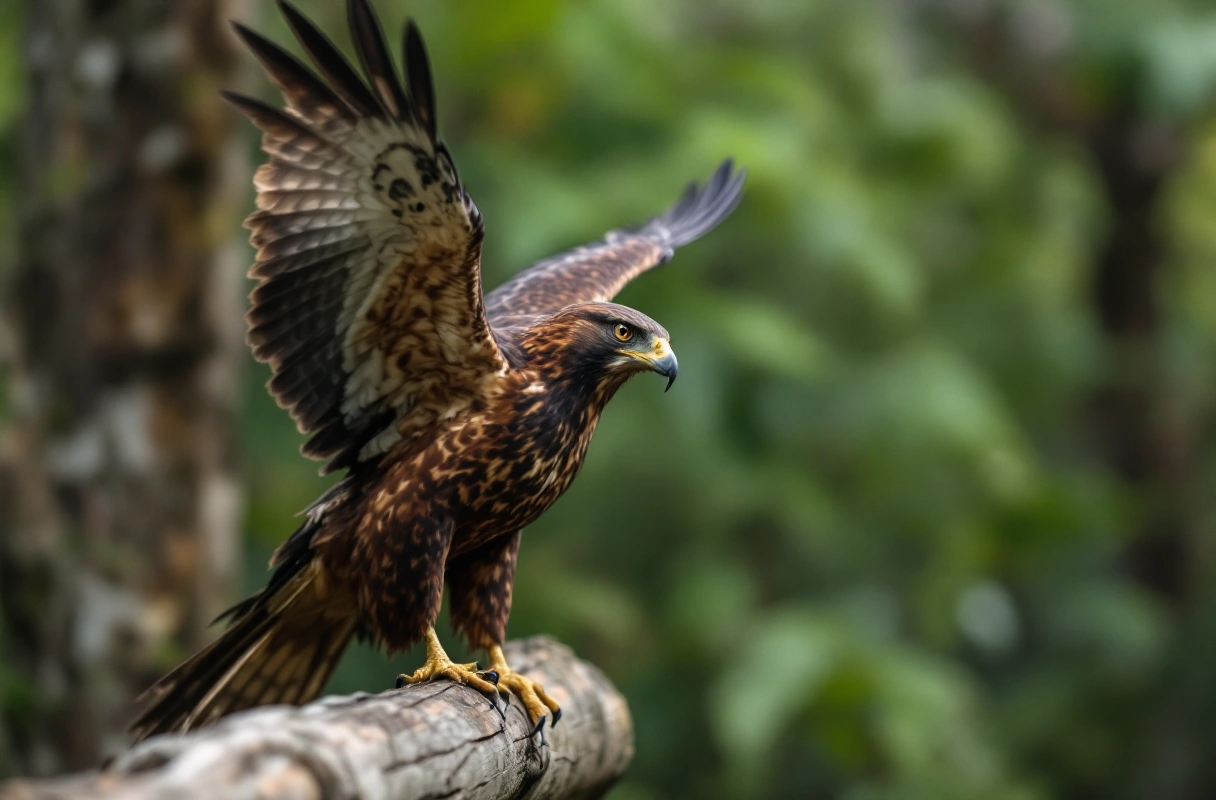
As with any subject, there are common misconceptions surrounding birds of prey that can lead to confusion among birdwatchers. Addressing these misconceptions can enhance your understanding and appreciation of raptors.
While eagles are undoubtedly impressive raptors, they represent only a small fraction of the bird of prey family. Raptors include a diverse range of species, such as hawks, falcons, kites, and owls. Understanding this diversity is crucial for accurate identification.
While raptors are skilled hunters, not all species exhibit aggressive behavior. Many raptors, such as the American Kestrel, are relatively small and rely on their agility rather than aggression to capture prey. Additionally, raptors often prefer to avoid confrontation with larger animals.
Although many raptors are diurnal hunters, some species, particularly owls, are nocturnal. Understanding the activity patterns of different raptors can help you plan your birdwatching excursions more effectively.
By dispelling these misconceptions, you can approach birdwatching with a clearer perspective and enhance your overall experience.
To make the most of your birdwatching tours, consider the following actionable tips that can enhance your experience and improve your chances of spotting birds of prey.
Having a good pair of binoculars is essential for any birdwatcher. Look for binoculars that offer:
Connecting with other birdwatchers can significantly enhance your experience. Joining local birdwatching groups allows you to:
In today's digital age, technology can greatly enhance your birdwatching experience. Consider the following tools:
Birdwatching requires patience and keen observation skills. To improve these skills:
By incorporating these tips into your birdwatching practices, you can enhance your ability to identify raptors and make the most of your experiences in the field.
Birds of prey are an essential part of our ecosystems, serving as both predators and indicators of environmental health. Their complex behaviors, diverse species, and unique adaptations make them a fascinating subject for birdwatchers. By understanding their behaviors, honing your identification skills, and embracing the joys of birdwatching, you can unlock a deeper appreciation for these incredible creatures.
The journey of birdwatching is not just about observing birds; it's about connecting with nature and fostering a sense of curiosity. Whether you are embarking on a solo adventure or joining a group for birdwatching tours, the insights gained from this guide will serve you well in your pursuit of raptor identification.
As you delve into the world of birds of prey, consider how organizations like Banana Slug Club can enhance your experience. By providing access to resources, guided tours, and community support, Banana Slug Club helps birdwatchers of all levels connect with nature and develop their skills.
If you are eager to learn more about birds of prey and improve your birdwatching capabilities, consider reaching out to Banana Slug Club for guidance. Visit Banana Slug Club to discover exciting opportunities for birdwatching and deepen your appreciation for the incredible world of raptors.
Get free resources, early access to new features and updates.
No spam. Just fun educational emails!


.svg)
.svg)