
Birdwatching and the study of avian species have become increasingly popular among nature enthusiasts, students, and curious minds alike. Understanding bird species and their behaviors opens a window into the complex ecosystems in which they thrive. In this guide, we will explore essential bird facts, delve into common bird behaviors, and highlight the top 10 fascinating bird migration patterns you should know. Whether you are a seasoned birdwatcher or just starting your journey, this article will enrich your knowledge and appreciation of these remarkable creatures.
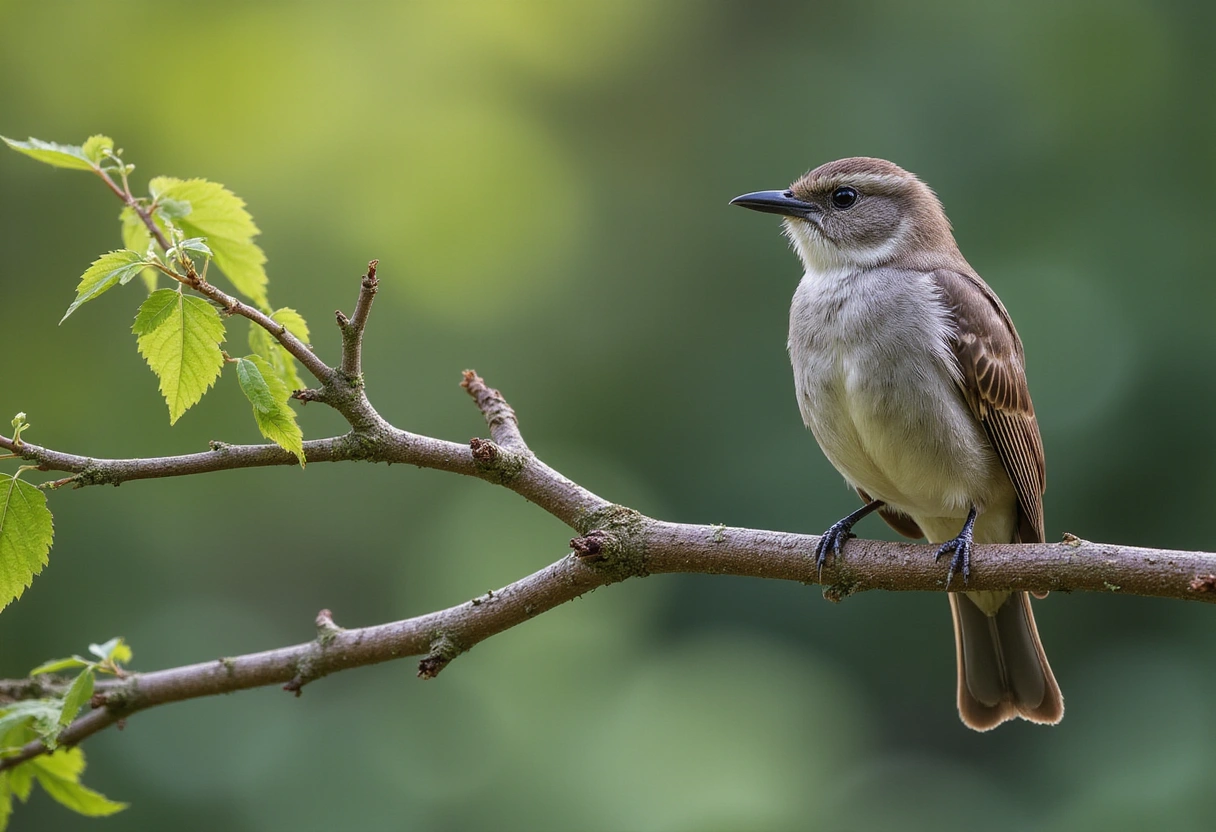
Birds are among the most diverse groups of animals on the planet, with over 10,000 species documented worldwide. They inhabit every continent and exhibit a remarkable range of behaviors, adaptations, and physical characteristics. Understanding these essential bird facts is crucial for anyone interested in ornithology or simply enjoying the beauty of nature.
Birds possess unique anatomical features that distinguish them from other animals:
Understanding common bird behaviors can enhance your birdwatching experience:
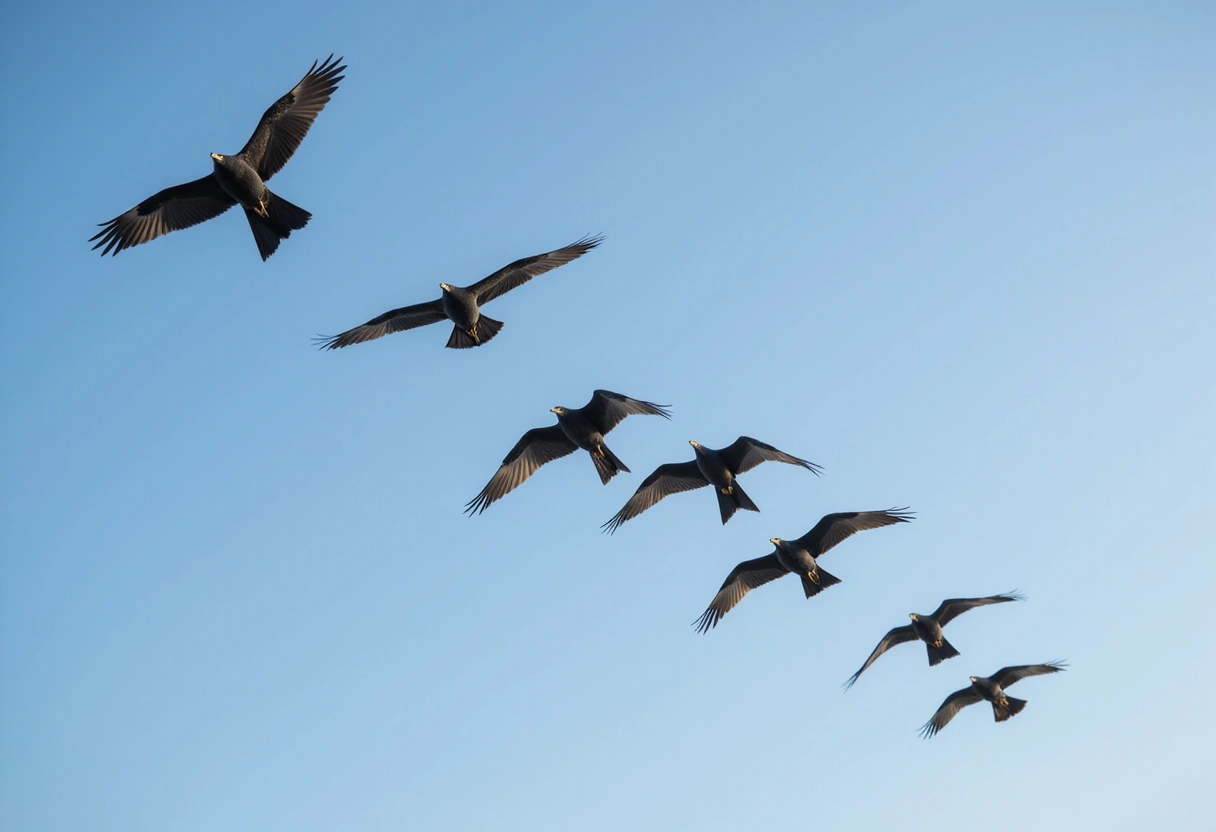
Bird migration is a captivating phenomenon that showcases the resilience and adaptability of avian species. Each year, millions of birds travel thousands of miles between breeding and wintering grounds. Here are ten fascinating migration patterns that highlight the diversity of avian travel:
Arctic Tern: Known for having the longest migration of any bird, the Arctic Tern travels approximately 44,000 miles annually, migrating from its breeding grounds in the Arctic to winter in the Antarctic.
Bar-tailed Godwit: This shorebird holds the record for the longest non-stop flight, covering over 7,000 miles from Alaska to New Zealand without resting.
Ruby-throated Hummingbird: These tiny birds migrate solo, traveling around 500 miles across the Gulf of Mexico in a single flight, showcasing incredible endurance.
Eastern Bluebird: Breeding in the eastern United States, the Eastern Bluebird migrates south to Mexico and Central America, often traveling in small flocks.
Snowy Egret: Known for its striking plumage, the Snowy Egret migrates along coastal routes, often traveling hundreds of miles to find suitable wintering habitats.
Common Swallow: These birds are famous for their long migrations, traveling from Europe to southern Africa, where they spend the winter months.
Whooping Crane: This endangered species migrates from Canada to the Gulf Coast of Texas, relying on specific stopover sites to rest and feed along the way.
Great Horned Owl: Unlike many migratory birds, Great Horned Owls exhibit partial migration, with some individuals moving south while others remain in their breeding territories depending on food availability.
American Robin: A familiar sight in North America, American Robins migrate from northern breeding grounds to southern states during the winter, often returning in large flocks.
Bald Eagle: These majestic birds migrate seasonally in search of open water and abundant fish, with some populations traveling hundreds of miles.
Bird migration is not merely a seasonal event; it is a vital aspect of avian life that plays a crucial role in maintaining ecological balance. Migration allows birds to exploit different habitats and food sources throughout the year, ensuring their survival and the health of their populations. Additionally, migration patterns are influenced by climate change, habitat loss, and other environmental factors, making them an important area of study for conservationists.

Despite the wealth of knowledge surrounding birds, several misconceptions persist among the general public. Addressing these misunderstandings is essential for promoting a more accurate appreciation of avian species.
While many bird species do migrate, not all birds undertake this journey. Some species are resident birds, meaning they remain in their breeding territories year-round. Understanding the diversity of bird behaviors helps clarify this common misconception.
While many birds are most visible during the fall migration, many species also migrate in the spring to return to their breeding grounds. Observing birds during both seasons can provide a fuller picture of their migratory behaviors.
Birds utilize a variety of cues for navigation during migration, including the Earth’s magnetic field, landmarks, and even olfactory cues. This multifaceted approach to navigation underscores the complexity of avian migration.
For those looking to deepen their understanding of birds and enhance their birdwatching experiences, consider the following tips:
Birdwatching is not just a solitary activity; it can be a community experience. Joining local birdwatching groups or organizations can enhance your knowledge and appreciation of bird species. Engaging with like-minded individuals allows for the sharing of tips, experiences, and insights.
As you delve deeper into the world of birds, you will discover a rich tapestry of behaviors, migration patterns, and ecological significance. Understanding bird facts is not only about appreciating these creatures but also about fostering a sense of responsibility toward their conservation. The Banana Slug Club is dedicated to educating and engaging individuals about the importance of nature, science, and wildlife preservation.
Bird facts provide a gateway to understanding the intricacies of our natural world. Whether you are a student, a nature enthusiast, or simply curious about birds, the insights gained from this guide will enhance your appreciation of avian life. The Banana Slug Club encourages you to explore further, participate in local birdwatching events, and engage with your community to promote conservation efforts.
For those eager to learn more about birds and their fascinating behaviors, we invite you to visit our website or contact us for additional resources and information. Together, we can foster a greater understanding of the natural world and inspire future generations to appreciate and protect our feathered friends.
Get free resources, early access to new features and updates.
No spam. Just fun educational emails!


.svg)
.svg)