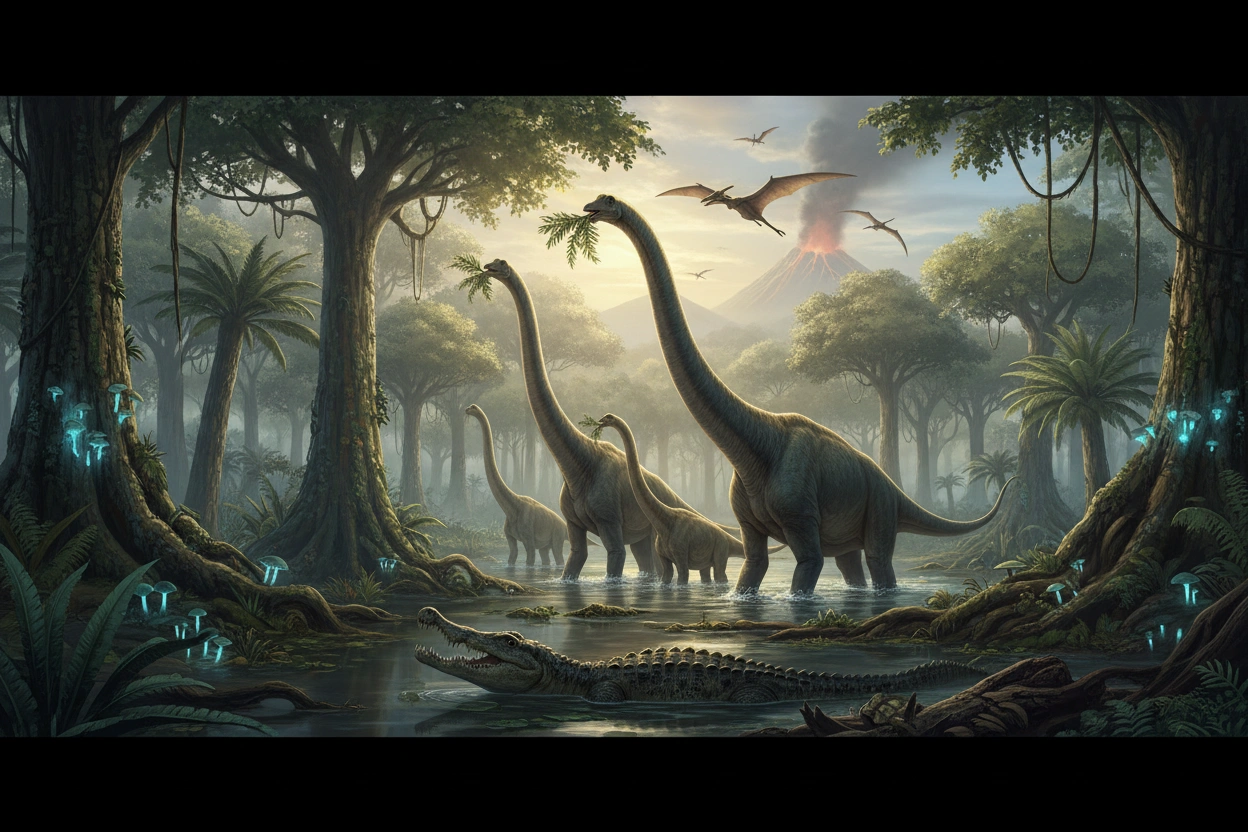
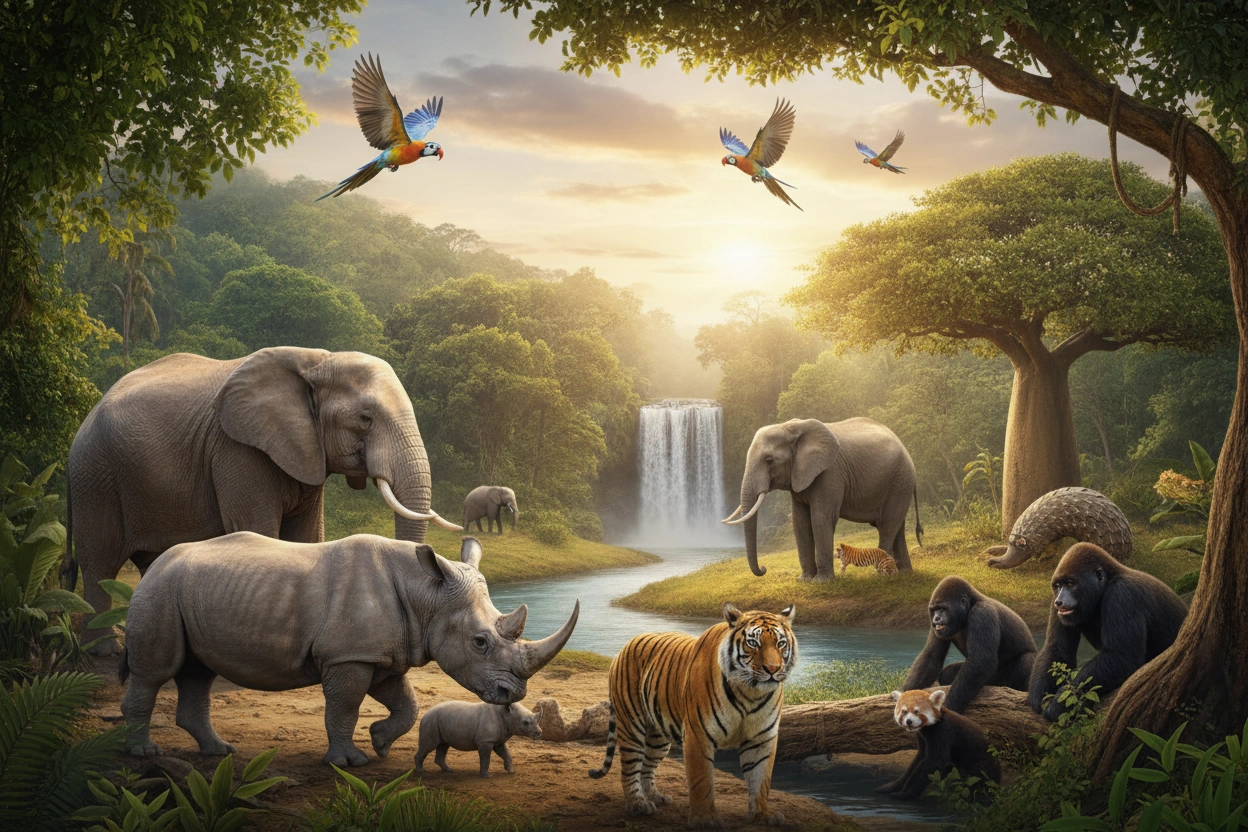
The plight of endangered animals is a pressing concern that resonates deeply within the framework of biodiversity. As we navigate through the complexities of conservation, understanding the facts about endangered species can illuminate the urgent need for action. In 2026, the global community faces unprecedented challenges as habitats continue to shrink and ecosystems become increasingly fragile. This article delves into ten surprising facts about endangered animals, enhancing awareness and fostering a deeper appreciation for the biodiversity that sustains our planet.

Biodiversity refers to the variety of life on Earth, encompassing the diversity of species, genetic variations, and ecosystems. It plays a critical role in maintaining ecological balance and supporting life. Unfortunately, the rapid loss of biodiversity, primarily due to human activities, poses a significant threat to endangered animals. Understanding the interconnectedness of species and their habitats is vital for effective conservation efforts.
As of 2026, the International Union for Conservation of Nature (IUCN) maintains a comprehensive endangered species list, which indicates that over 37,000 species are currently threatened with extinction. This alarming statistic highlights the urgency of biodiversity conservation efforts and the need for collective action.
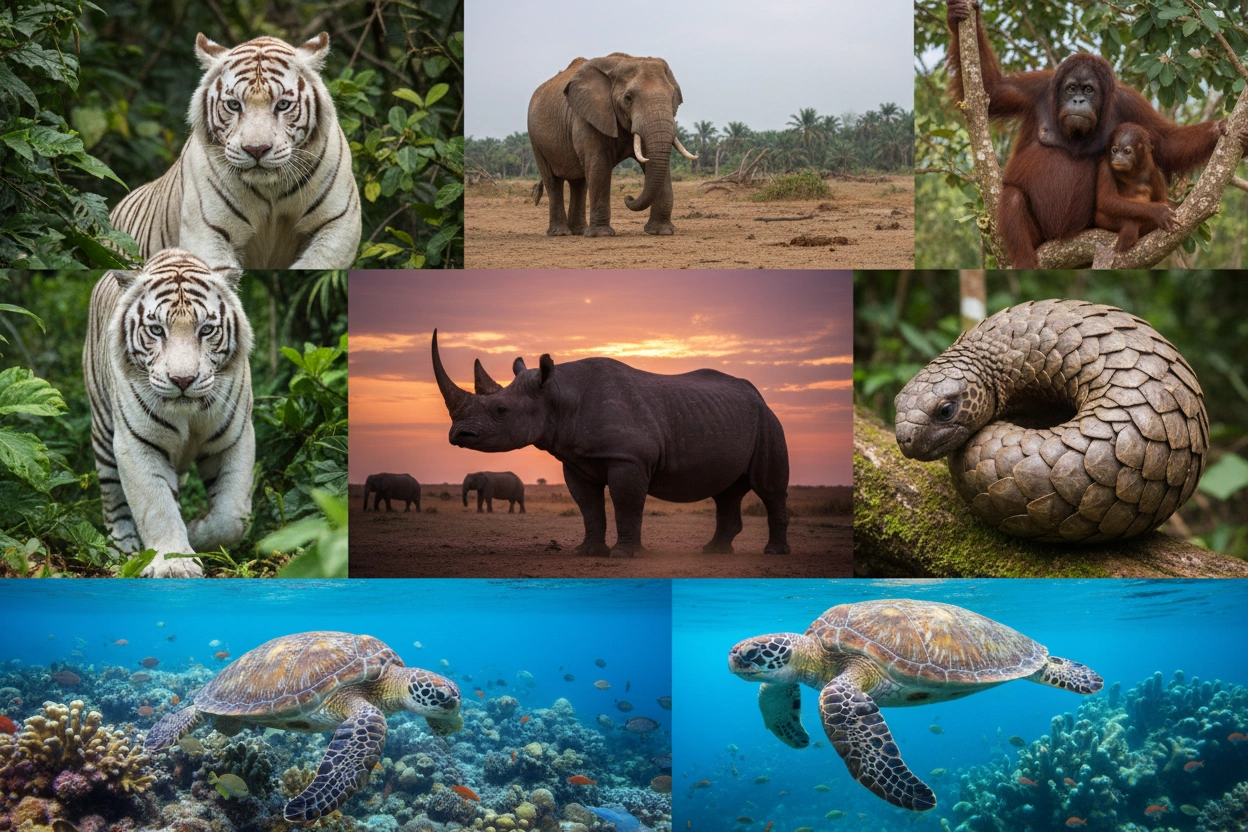
Understanding specific endangered animals can provide insight into the broader implications of biodiversity loss. Here are ten remarkable species that are currently facing critical threats:
The Amur leopard is one of the rarest big cats in the world, with an estimated population of fewer than 100 individuals. Native to the temperate forests of the Russian Far East and northeastern China, habitat destruction and poaching are the primary threats to its survival.
The vaquita, a small porpoise found in the Gulf of California, is critically endangered, with fewer than 30 individuals remaining. The primary threat to the vaquita is bycatch in illegal gillnets used for fishing another endangered species, the totoaba.
Native to the islands of Sumatra and Borneo, the Sumatran orangutan has seen its population decline by over 50% in the last 75 years due to habitat destruction, primarily from palm oil plantations. Conservation efforts focus on habitat protection and rehabilitation.
The Javan rhino is among the rarest large mammals, with only about 76 individuals surviving in Ujung Kulon National Park in Indonesia. The species is threatened by habitat loss and poaching, making conservation efforts crucial for its survival.
Snow leopards inhabit the mountain ranges of Central and South Asia, with an estimated population of 4,000 to 6,500 individuals. Their primary threats include poaching, retaliatory killings by herders, and habitat fragmentation.
Once widespread across Africa, the African wild dog population has dwindled to fewer than 6,000 individuals due to habitat loss and human-wildlife conflict. Conservation strategies focus on habitat protection and community engagement.
Green sea turtles are classified as endangered due to threats from habitat loss, poaching, and climate change. Their nesting sites are increasingly vulnerable to rising sea levels and human encroachment.
The Bornean pygmy elephant, the smallest subspecies of the Asian elephant, faces threats from habitat destruction and fragmentation. Conservation efforts are focused on protecting their habitat and addressing human-elephant conflicts.
This unique sloth species, native to a small island off the coast of Panama, is critically endangered due to habitat destruction from development and tourism. Conservationists are working to protect its remaining habitat and raise awareness.
The Yangtze giant softshell turtle is critically endangered, with only three known individuals remaining. Conservation efforts are focused on captive breeding and habitat restoration to increase their numbers.
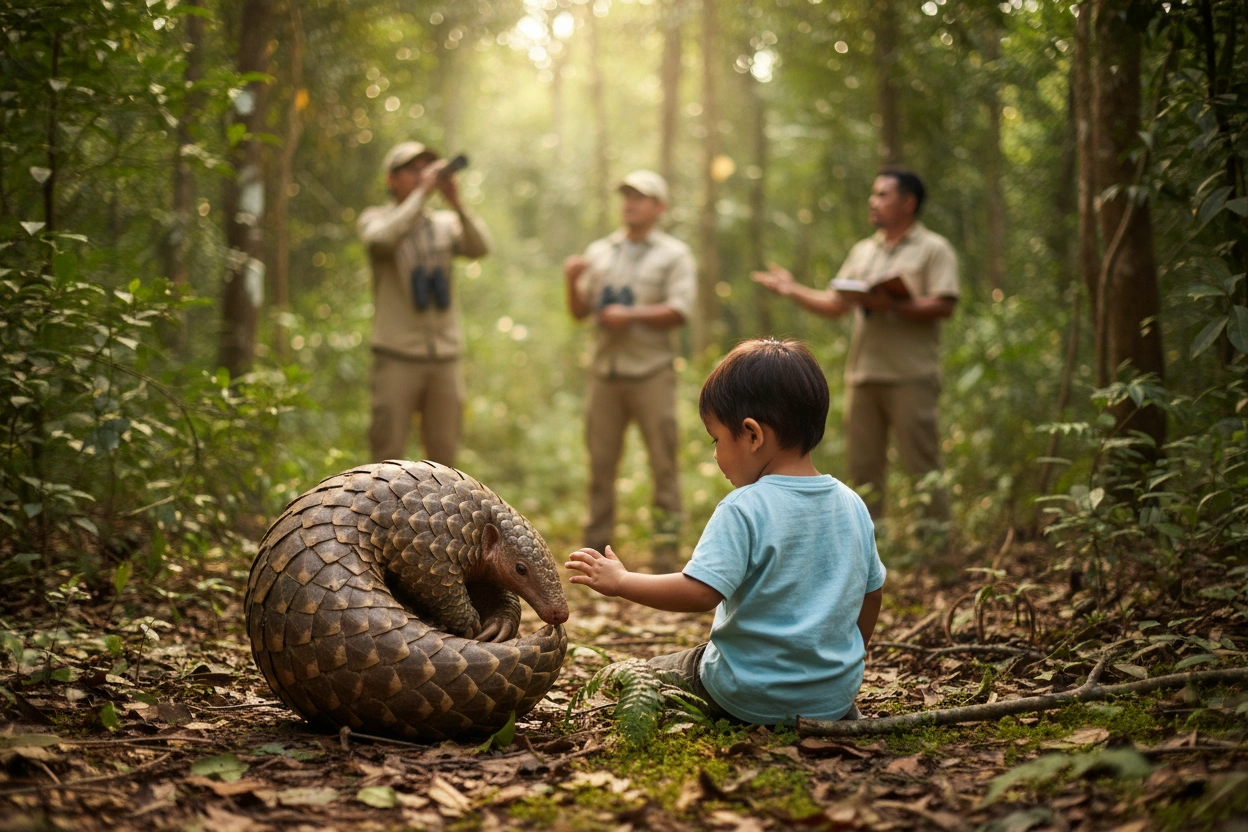
Despite widespread awareness of endangered animals, several misconceptions persist that can hinder conservation efforts.
Many people believe that extinction is a natural part of evolution. While it is true that extinction has occurred throughout history, the current rate is alarmingly high due to human activities. Conservation efforts can help prevent further losses.
While some endangered animals inhabit remote regions, many are found in urban areas or near human settlements. This proximity increases the need for coexistence strategies to mitigate conflicts.
Conservation is a shared responsibility that involves individuals, communities, and organizations. Public awareness and engagement are critical in driving conservation initiatives.
Conservation organizations play a vital role in protecting endangered animals and promoting biodiversity. Their efforts encompass various strategies, including habitat restoration, advocacy, and education.
One of the most effective ways to conserve endangered animals is through habitat protection. Organizations work to establish protected areas, restore degraded habitats, and implement sustainable land-use practices.
Raising awareness about endangered species and their habitats is crucial for garnering public support for conservation efforts. Educational programs can engage communities and inspire action.
Conducting research on endangered species and their ecosystems is essential for informing conservation strategies. Monitoring populations helps track the effectiveness of conservation efforts and adapt strategies as needed.
Individuals can make a significant impact in the fight to protect endangered animals. Here are several actionable steps that anyone can take:
The fight against biodiversity loss and the protection of endangered animals is a collective endeavor. Engaging communities, educating the public, and fostering collaboration among various stakeholders are essential for creating lasting change.
Several international agreements and initiatives aim to protect biodiversity and endangered animals. The Convention on Biological Diversity (CBD) and the Endangered Species Act (ESA) are two examples of frameworks that guide conservation efforts globally. Participation in these initiatives can amplify local conservation efforts and foster global collaboration.
Local communities play a crucial role in conservation efforts. Engaging local populations in protecting their natural resources can lead to sustainable practices and improved livelihoods. Supporting local economies through eco-tourism or sustainable agriculture can create incentives for conservation.
Building a connection with nature is essential for fostering a sense of responsibility towards endangered animals and biodiversity. Spending time in nature can enhance appreciation for wildlife and motivate individuals to take action.
Participating in activities such as hiking, birdwatching, or wildlife photography can deepen one's understanding of ecosystems and the species that inhabit them. These experiences often inspire individuals to engage in conservation efforts.
Many organizations offer educational programs that connect people with nature, such as guided nature walks, workshops, and volunteer opportunities. These programs can cultivate a passion for wildlife conservation and empower individuals to make a difference.
The conservation of endangered animals is not solely the responsibility of governments and organizations; it requires the active participation of communities and individuals. By fostering a connection to nature and promoting sustainable practices, we can collectively work towards preserving biodiversity.
Banana Slug Club is dedicated to raising awareness and promoting action for the conservation of endangered species. Through community engagement and educational initiatives, we can empower individuals to take meaningful steps toward protecting our planet's biodiversity. If you're passionate about endangered animals and want to make a difference, consider joining the movement. Visit Banana Slug Club to learn more about how you can contribute to conservation efforts and support the protection of our planet's most vulnerable species. Together, we can make a lasting impact on the future of biodiversity.
Get free resources, early access to new features and updates.
No spam. Just fun educational emails!


.svg)
.svg)