
Bird migration is one of nature's most captivating phenomena, showcasing the remarkable adaptations and behaviors of various bird species. Each year, millions of birds undertake extensive journeys, influenced by seasonal changes, food availability, and breeding habits. Understanding these migratory patterns not only enriches our knowledge of avian biology but also highlights the importance of conservation efforts for endangered bird species. This article will delve into ten surprising bird facts related to migration and seasonal changes, providing valuable insights for nature enthusiasts, students, and anyone curious about the avian world.
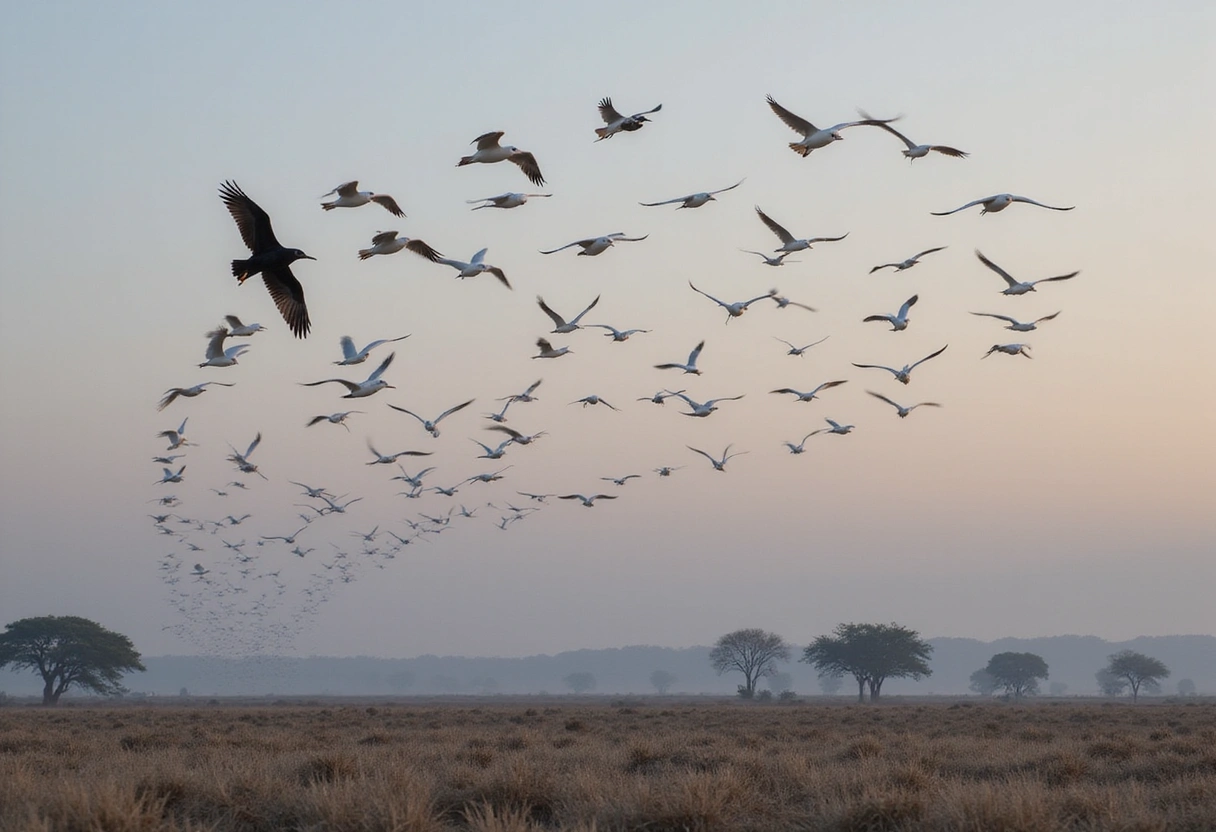
Bird migration is a complex behavior that has evolved over millions of years. It involves the seasonal movement of birds from breeding grounds to wintering areas and back again. This phenomenon occurs in various species, each with its unique migration patterns and strategies. As a result, bird migration is not just a simple journey; it is a sophisticated process influenced by environmental factors, biological needs, and evolutionary adaptations.
Birds utilize various migration routes depending on their species and the regions they inhabit. Some birds migrate long distances, while others may only travel short distances. The most well-known migration route in North America is the Atlantic Flyway, which stretches from the Arctic to Central and South America. Species such as the American Robin and the Snowy Owl are known to follow these established routes, taking advantage of favorable weather conditions and food availability.
Birds rely on environmental cues to navigate their migratory journeys. Factors such as daylight length, temperature changes, and the availability of food play crucial roles in triggering migration. For instance, many birds begin their migration when the days start to lengthen in spring, signaling the approach of warmer weather and increased food sources. Understanding these cues can help bird watchers anticipate migration patterns and identify various bird species during different seasons.

Here are ten captivating bird facts that highlight the incredible diversity of migration patterns and the seasonal changes that affect bird behavior.
The Arctic Tern holds the record for the longest migration of any bird species, traveling approximately 71,000 kilometers (44,000 miles) each year. This remarkable bird migrates from its breeding grounds in the Arctic to wintering areas in the Antarctic, making it a true champion of long-distance travel.
Hummingbirds are known for their incredible flying abilities, but did you know that some species migrate alone? The Ruby-throated Hummingbird migrates from North America to Central America, often covering up to 3,000 miles in a single journey. These tiny birds rely on their instinct and environmental cues to navigate their way to warmer climates.
During migration, many birds rely on stopover sites to rest and refuel. These areas provide essential food resources and safe habitats for birds to regain their strength before continuing their journey. Conservation efforts to protect these stopover sites are vital for the survival of migratory bird species.
Climate change is significantly affecting bird migration patterns. Changes in temperature and weather patterns can disrupt the timing of migration, leading to mismatches between breeding and food availability. Species such as the Black-throated Blue Warbler have already shown shifts in their migratory patterns, which can have cascading effects on ecosystems.
Birds use a combination of visual, magnetic, and olfactory cues to navigate during migration. Some species, like the European Robin, can detect the Earth's magnetic field, allowing them to orient themselves accurately during their long journeys. This remarkable ability highlights the complexity of avian navigation.
Young birds often learn migratory routes from older, experienced individuals. This social learning is crucial for successful migration, as it helps younger birds understand when to leave and where to go. Observing how different species pass on this knowledge can provide insights into avian social structures.
The timing of migration is closely linked to breeding cycles. Many birds migrate to their breeding grounds just as the conditions become favorable for raising young. This synchronization ensures that food resources are abundant, increasing the chances of survival for hatchlings.
Endangered bird species face numerous threats during migration, including habitat loss, climate change, and hunting. Protecting migratory pathways and breeding grounds is essential for the conservation of these vulnerable species. Organizations focused on bird species identification and conservation are working tirelessly to address these challenges.
Flocking behavior during migration serves multiple purposes, including protection from predators and increased foraging efficiency. Birds that migrate in groups, such as geese and starlings, can also help each other navigate more effectively. This social behavior is a key aspect of many species’ migratory strategies.
While not a bird, the migration of the Monarch Butterfly is worth mentioning due to its fascinating parallels with avian migration. Monarchs travel thousands of miles from North America to central Mexico, showcasing the extraordinary capabilities of migratory species, regardless of their classification.
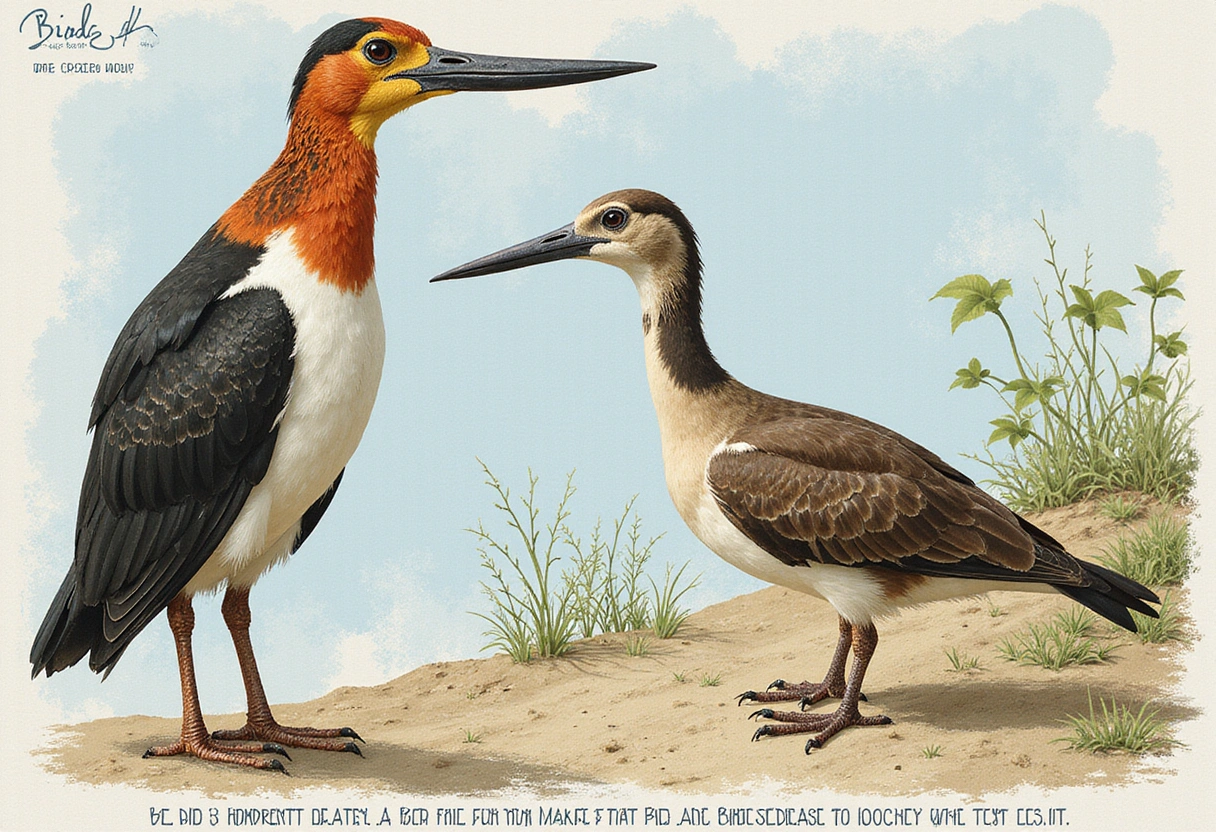
Bird species identification is an essential skill for anyone interested in bird watching or studying avian biology. Recognizing different species can enhance the experience of observing migration patterns and seasonal changes.
To identify bird species effectively, consider the following factors:
Advancements in technology have made bird species identification more accessible. Smartphone applications and websites can help enthusiasts identify birds by matching photos and sounds. These tools are invaluable for both novice and experienced bird watchers, providing instant information and enhancing the bird-watching experience.
As we explore the world of bird migration and seasonal changes, it is crucial to recognize the threats faced by endangered bird species. Understanding these challenges allows us to take actionable steps toward conservation.
Several factors contribute to the decline of bird populations, including:
Numerous organizations and initiatives are dedicated to the conservation of endangered bird species. These efforts often include:
As we have seen, understanding bird migration and seasonal changes is vital for the conservation of various bird species. The interplay between these factors highlights the need for ongoing research and proactive measures to protect endangered bird species.
At the Banana Slug Club, we believe in the power of education and engagement to inspire a new generation of nature enthusiasts. By sharing knowledge about bird facts and the importance of conservation, we can empower individuals to take action in their communities.
If you are passionate about nature, science, and the incredible world of birds, we invite you to explore our resources and join our efforts. Visit our website or contact us for more information on how you can get involved in bird conservation and learn more about the fascinating facts surrounding bird migration.
By embracing the knowledge of bird facts and understanding the challenges faced by migratory species, we can all contribute to the preservation of our planet's avian diversity. Whether you are a student, a nature enthusiast, or simply curious about the natural world, there is always more to learn and discover.
Get free resources, early access to new features and updates.
No spam. Just fun educational emails!


.svg)
.svg)