Reptiles, a diverse group of animals, often evoke fascination and curiosity among animal lovers. From the majestic Komodo dragon to the elusive chameleon, these creatures display a myriad of adaptations that enable them to thrive in various environments. In this article, we will delve into ten captivating facts about reptiles that are sure to surprise you, as well as explore the pressing issue of endangered reptile species and their conservation efforts.
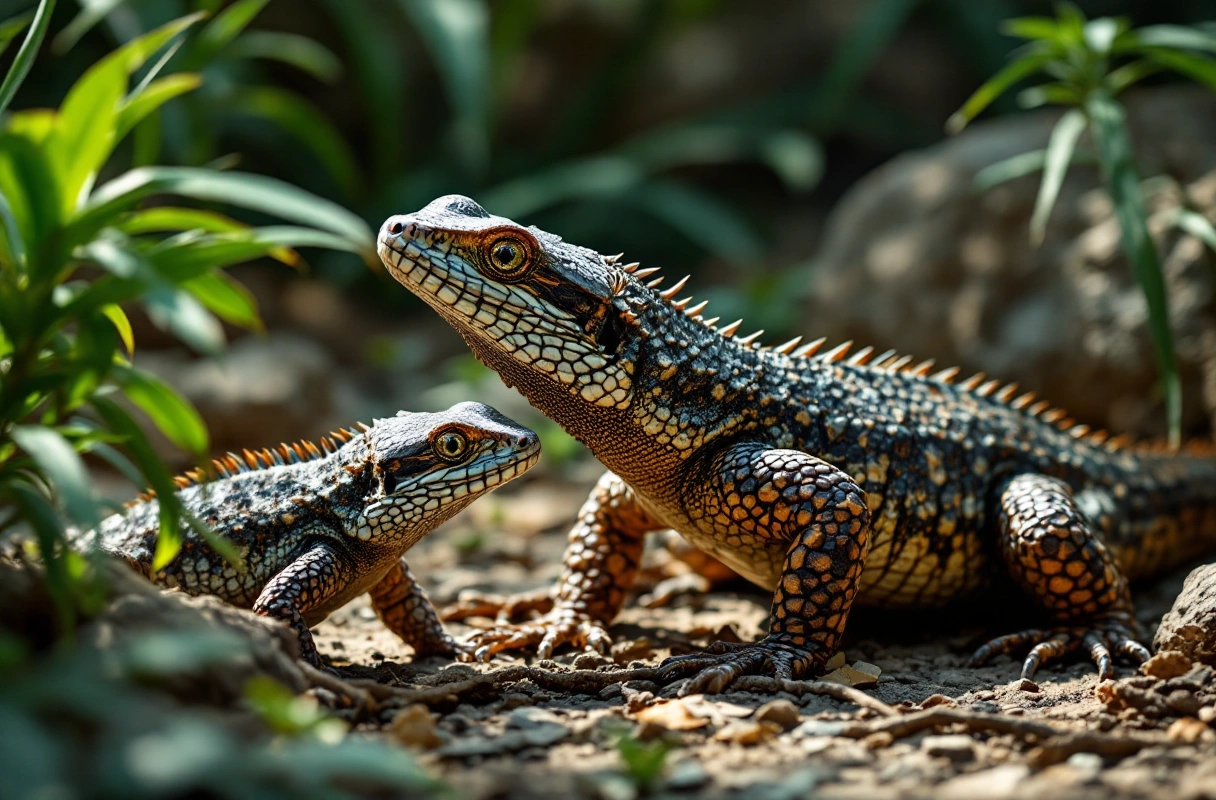
Reptiles belong to the class Reptilia, which includes snakes, lizards, turtles, crocodilians, and tuataras. This class is distinguished by certain characteristics, such as scaly skin, ectothermic (cold-blooded) physiology, and the ability to lay eggs with leathery shells. The global diversity of reptiles is remarkable, with over 10,000 species identified, each adapted to its unique habitat.
Reptiles exhibit unique adaptations that allow them to survive in various environments:
Reptiles are Ancient Creatures: The origin of reptiles dates back over 300 million years, making them one of the oldest groups of terrestrial vertebrates. They evolved from amphibian ancestors during the Carboniferous period.
Reptiles Can Regenerate Limbs: While not as common as in some amphibians, certain reptiles, like the green anole lizard, can regenerate their tails after losing them. This ability serves as a survival tactic against predators.
Some Reptiles are Venomous: Not all reptiles are venomous, but species like the inland taipan and the king cobra possess potent venom that they use to immobilize their prey. Interestingly, not all venomous reptiles are aggressive towards humans.
Turtles are Older than Dinosaurs: Turtles have existed for over 200 million years, predating the dinosaurs. Their unique shell structure has remained largely unchanged, showcasing their successful evolutionary adaptations.
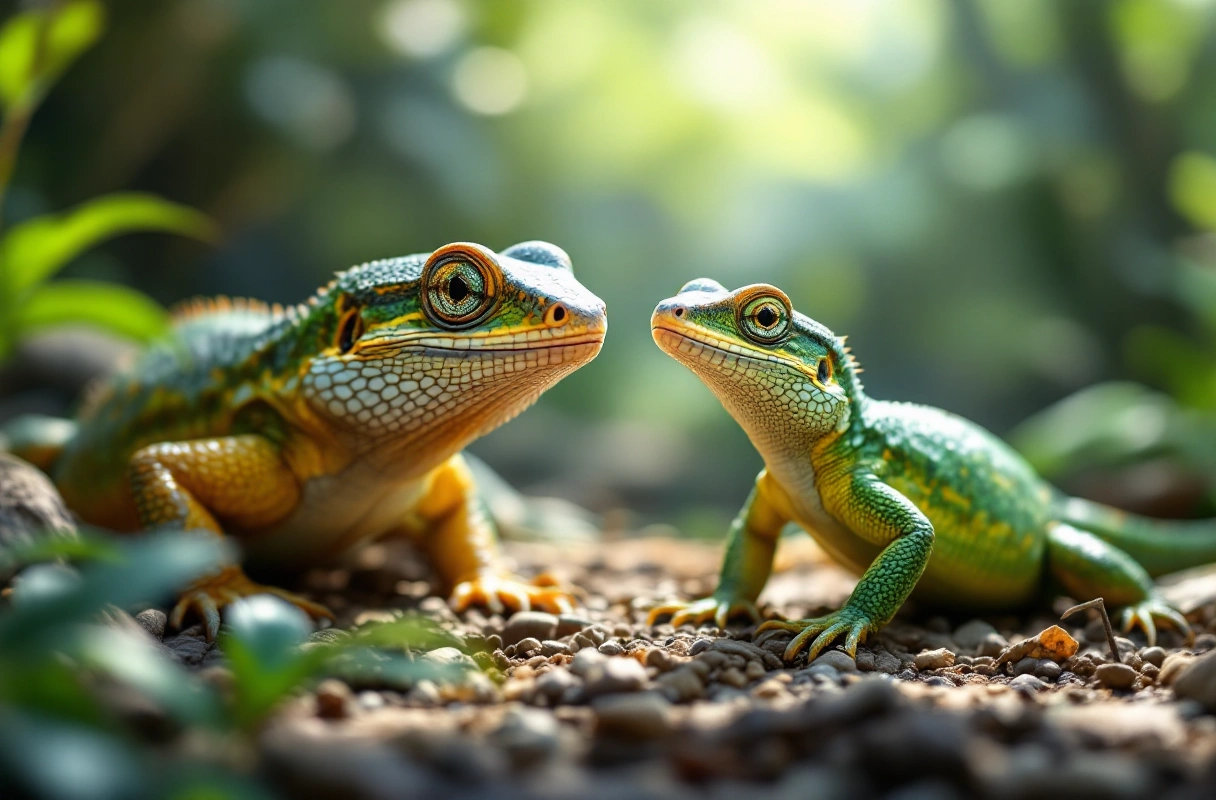
Reptiles Communicate in Various Ways: Reptiles utilize body language, color changes, and vocalizations to communicate with each other. For example, male lizards often display bright colors to attract mates or establish territory.
Some Reptiles Can Breathe Through Their Skin: Certain species of turtles, such as the Australian Fitzroy River turtle, can absorb oxygen through their skin, allowing them to remain submerged for extended periods.
Reptiles Have Unique Heart Structures: Most reptiles possess a three-chambered heart, which allows for a more efficient separation of oxygenated and deoxygenated blood compared to amphibians.
Many Reptiles Exhibit Parental Care: Contrary to the common belief that reptiles are indifferent parents, some species, like crocodiles, exhibit significant parental care, protecting their young from predators.
Reptiles Have a Varied Diet: While many reptiles are carnivorous, some, like certain tortoises and iguanas, are herbivorous. Their diet can vary significantly based on their habitat and available food sources.
Reptiles Are Vital to Ecosystems: Reptiles play essential roles in their ecosystems, acting as both predators and prey. They help control pest populations and contribute to the balance of their habitats.

Despite their adaptability and evolutionary success, many reptile species are facing the threat of extinction. Habitat loss, climate change, and poaching are significant challenges that these creatures encounter. Here are ten endangered reptile species that are under threat:
Hawksbill Sea Turtle (Eretmochelys imbricata): This critically endangered turtle is primarily threatened by illegal trade for their beautiful shells and habitat destruction.
Amur Monitor (Varanus amurensis): Native to parts of Russia and China, the Amur monitor is endangered due to habitat loss and hunting for its skin.
Gharial (Gavialis gangeticus): This unique crocodilian species is critically endangered, primarily due to habitat destruction and declining fish populations in its native rivers.
Chinese Softshell Turtle (Rafetus swinhoei): One of the world's rarest turtles, it faces severe threats from habitat loss and poaching, leading to a drastic decline in its population.
Iberian Lizard (Lacerta schreiberi): This lizard species is threatened by habitat fragmentation and climate change, impacting its survival in the Iberian Peninsula.
Saint Lucia Racer (Eumeces victoriensis): Once considered the rarest snake in the world, conservation efforts have helped stabilize its population, but it remains critically endangered.
Palawan Forest Turtle (Siebenrockiella leytensis): Endangered due to habitat destruction and illegal pet trade, this turtle is native to the Philippines.
Psychedelic Rock Gecko (Cnemaspis psychedelica): This stunning gecko is critically endangered due to habitat loss and the pet trade.
Western Pond Turtle (Actinemys marmorata): Once widespread, this species has faced population declines due to habitat loss and invasive species.
Kihansi Spray Toad (Nectophrynoides asperginis): This toad, native to Tanzania, is critically endangered due to habitat destruction and the introduction of invasive species.
The conservation of endangered reptile species is crucial for maintaining biodiversity and ecosystem health. Here are some essential strategies being implemented:
Protected Areas: Establishing protected habitats is vital for the survival of endangered reptiles. These areas help shield species from habitat destruction and provide safe breeding grounds.
Legislation: Many countries have enacted laws to protect endangered reptile species from poaching and illegal trade. International agreements, such as the Convention on International Trade in Endangered Species (CITES), play a crucial role.
Public Awareness Campaigns: Educating the public about the importance of reptiles and their role in ecosystems can foster support for conservation efforts. Engaging local communities in conservation initiatives is also essential.
Captive Breeding Programs: These programs aim to breed endangered species in captivity and reintroduce them into their natural habitats, helping to bolster declining populations.
Reptile habitats are diverse and range from deserts to tropical rainforests. Each habitat provides specific resources that reptiles need to survive, such as food, shelter, and breeding grounds. Protecting these habitats is critical for the conservation of reptile species, as habitat loss is one of the leading causes of their decline.
Deserts: Many reptiles, such as the horned lizard and Gila monster, are adapted to arid environments. They possess unique adaptations that allow them to conserve water and regulate body temperature.
Forests: Tropical rainforests are home to a wide variety of reptiles, including tree snakes and iguanas. These habitats offer abundant food sources and hiding spots from predators.
Wetlands: Wetland habitats support diverse reptile populations, including turtles and crocodiles. These environments provide essential breeding and feeding grounds.
Grasslands: Many lizards and snakes thrive in grassland habitats, where they can hunt for insects and small mammals. These ecosystems are vital for maintaining the balance of local wildlife.
The ongoing threats to reptile populations necessitate concerted efforts from individuals and organizations alike. The Banana Slug Club is dedicated to fostering awareness and promoting conservation initiatives that benefit reptiles and their habitats. By engaging with local communities and providing educational resources, the Banana Slug Club aims to inspire a new generation of wildlife advocates.
As animal lovers, understanding the fascinating world of reptiles is essential for fostering appreciation and support for their conservation. The facts and insights shared in this article highlight the remarkable adaptations and ecological significance of reptiles.
For those looking to deepen their knowledge and actively participate in conservation efforts, the Banana Slug Club offers valuable resources and opportunities.
Visit Banana Slug Club to learn more about how you can contribute to reptile conservation and help protect these extraordinary creatures. Together, we can make a difference in the lives of reptiles and their habitats.
Get free resources, early access to new features and updates.
No spam. Just fun educational emails!


.svg)
.svg)