The plight of endangered animals is a pressing concern in today’s world, with many species facing extinction due to habitat loss, climate change, poaching, and other human activities. For wildlife enthusiasts, understanding these creatures and the challenges they face is crucial. Not only does it deepen appreciation for biodiversity, but it also highlights the importance of conservation efforts. In this article, we will explore ten fascinating facts about endangered animals, focusing on species that you need to know about to better engage in wildlife conservation.

Understanding endangered animals is not just about recognizing their existence; it involves comprehending the ecosystems they inhabit and the roles they play within them. Many endangered species are keystone species, meaning their presence and health directly affect the entire ecosystem. For instance, the extinction of a top predator can lead to overpopulation of prey species, resulting in vegetation loss and habitat degradation.
Moreover, endangered animals often serve as indicators of environmental health. Their decline can signal broader ecological issues that may eventually affect human populations. Therefore, learning about these animals provides insights into the health of our planet and emphasizes the need for effective conservation strategies. biodiversity and environmental education.
Conservation efforts are crucial in protecting endangered animals and their habitats. These initiatives often involve a combination of legal protections, habitat restoration, and community engagement. Governments, non-profits, and local communities collaborate to create protected areas, enforce anti-poaching laws, and promote sustainable practices that benefit both wildlife and people.
For example, conservation programs that involve local communities in wildlife management can lead to significant improvements in species populations. When communities are educated about the ecological and economic benefits of preserving wildlife, they are more likely to engage in conservation efforts. This approach not only protects endangered species but also fosters a sense of stewardship and responsibility towards nature.

Understanding the specific endangered animals is vital for effective conservation efforts. Here are ten fascinating facts about some of the most endangered species around the globe:
The Amur leopard is one of the rarest big cats in the world, with an estimated population of fewer than 100 individuals remaining in the wild. Native to the temperate forests of the Russian Far East and northeastern China, these leopards are threatened by habitat loss and poaching. Conservation efforts are focused on anti-poaching measures and habitat restoration.
The vaquita, a small porpoise found in the Gulf of California, is critically endangered, with only about 30 individuals remaining. The main threat to the vaquita is bycatch in illegal gillnets used for fishing another endangered species, the totoaba. Conservationists are working to remove these nets and enforce fishing regulations to protect the vaquita.
The Javan rhino, with only about 80 individuals left, is the most endangered of the five rhino species. Found solely in Ujung Kulon National Park in Indonesia, they face threats from habitat loss and poaching. Conservation efforts are focused on habitat protection and monitoring the remaining population.
The Sumatran orangutan is critically endangered, primarily due to habitat destruction caused by palm oil plantations and logging. Their population is estimated to be around 14,000. Conservation programs aim to protect their rainforest habitat and promote sustainable palm oil production.
With only two known individuals left, the northern white rhinoceros is functionally extinct. Conservationists are exploring advanced reproductive technologies, such as in vitro fertilization, to help save this subspecies. Significant efforts are being made to protect the remaining individuals and their habitat.
Asian elephants are listed as endangered, with populations declining due to habitat loss, human-wildlife conflict, and poaching. Conservation efforts involve creating wildlife corridors to connect fragmented habitats and educating local communities on coexistence strategies.
Snow leopards are elusive big cats that inhabit the mountain ranges of Central and South Asia. They are classified as vulnerable, with their populations threatened by poaching and habitat loss. Conservation strategies include community-based conservation programs that promote sustainable livestock management practices to reduce conflict.
Hawksbill turtles are critically endangered due to illegal trade of their shells, loss of nesting sites, and climate change. These turtles play a vital role in maintaining the health of coral reefs. Conservation efforts focus on protecting nesting beaches and reducing bycatch in fishing gear.
Similar to the Sumatran orangutan, the Bornean orangutan is critically endangered due to habitat destruction and illegal hunting. With populations dwindling to around 55,000, conservationists are working to protect their habitats and combat illegal logging practices.
The California condor is one of the world's most endangered birds, with a population that once dipped below 30 individuals. Intensive breeding programs have increased their numbers to over 400, but they still face threats from lead poisoning and habitat loss. Ongoing conservation efforts focus on educating hunters about the dangers of lead ammunition and protecting their habitats.
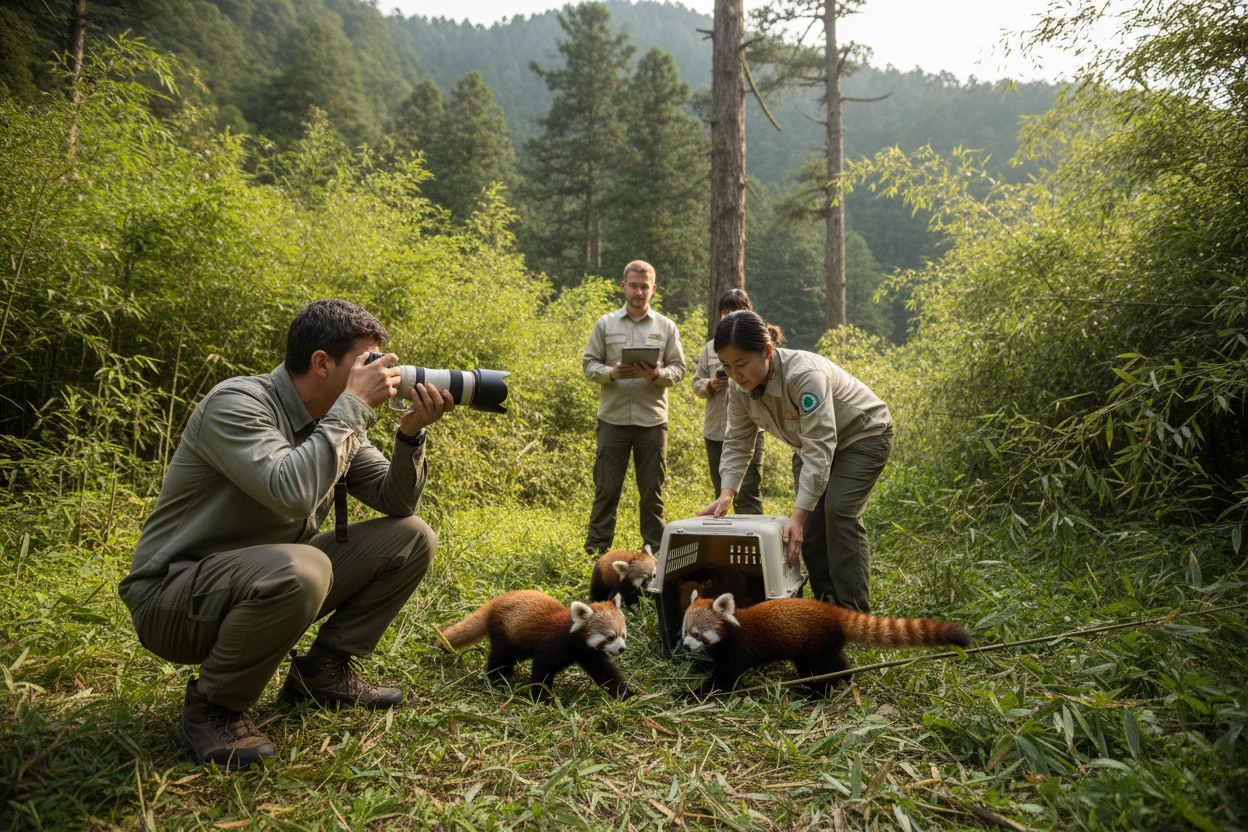
To make a meaningful impact on the conservation of endangered animals, individuals can take several actionable steps. Here are some effective strategies:
Educate Yourself and Others
Understanding the specific challenges facing endangered animals is crucial. Read books, attend workshops, or participate in wildlife conservation programs to learn more about these species and their ecosystems. Share this knowledge with friends and family to raise awareness.
Support Conservation Organizations
Many organizations focus on protecting endangered animals through research, habitat restoration, and legal advocacy. Consider donating to or volunteering with these organizations to support conservation organizations.
Practice Sustainable Living
Reducing your carbon footprint and consuming responsibly can have a positive impact on wildlife conservation. Choose sustainable products, reduce waste, and support companies that prioritize environmental stewardship.
Advocate for Policy Change
Engage in activism by advocating for policies that protect endangered species and their habitats. This can include writing to local representatives, participating in rallies, or joining campaigns that promote environmental protection.
Participate in Citizen Science
Many organizations offer opportunities for individuals to contribute to wildlife research and conservation through citizen science projects. This can include monitoring local wildlife populations or participating in habitat restoration efforts.
The fight to protect endangered animals is not just the responsibility of conservationists; it requires the collective effort of communities and individuals. By engaging in conservation efforts and advocating for endangered species, we contribute to the health of our planet. The facts and stories about these animals can inspire action and foster a sense of responsibility towards wildlife preservation.
Banana Slug Club is dedicated to promoting wildlife conservation and educating the public about the importance of protecting endangered species. By learning about these fascinating animals and supporting conservation initiatives, you can play a role in ensuring their survival for future generations.
Explore how you can get involved and make a difference in wildlife conservation. Contact Banana Slug Club to find out more about our programs and initiatives aimed at protecting endangered animals and their habitats. Together, we can create a positive impact on the future of our planet's wildlife.
Get free resources, early access to new features and updates.
No spam. Just fun educational emails!


.svg)
.svg)