Birdwatching is not just a pastime; it's a gateway to understanding the intricate behaviors and patterns of wildlife that enrich our environment. Whether you are a seasoned birdwatcher or a curious beginner, having a solid foundation of bird facts can enhance your experience and help you connect with nature on a deeper level. As of December 2025, this article aims to provide you with ten essential bird facts that every birdwatcher should know, particularly focusing on local hotspots where you can observe these fascinating creatures in their natural habitats.

Bird migration is one of the most captivating phenomena in the avian world. Understanding migration patterns is essential for any birdwatcher, as it allows you to know when and where to spot different species. Here are some crucial insights into bird migration:
Bird migration is a seasonal movement that can be categorized primarily into two types: latitudinal migration and altitudinal migration. Latitudinal migration involves birds traveling between breeding and wintering grounds, often covering vast distances. Altitudinal migration, on the other hand, occurs within a single region, typically moving up and down mountains in response to changing weather conditions.
Understanding common migration routes can enhance your birdwatching experience. Here are some well-known migratory pathways:
By familiarizing yourself with these migration routes, you can better plan your birdwatching trips and increase your chances of spotting various species at local hotspots.

Now that we have a foundational understanding of bird migration, let’s delve into ten essential bird facts that will enhance your birdwatching experience.
Birds are endothermic, meaning they can regulate their body temperature independently of the external environment. This adaptation allows them to thrive in diverse climates and remain active in colder temperatures.
Feathers are not only crucial for flight but also serve various purposes, including insulation, waterproofing, and camouflage. Many species have specialized feathers that help them adapt to their environments.
Birds communicate through a range of sounds, from songs to calls. Each vocalization serves a distinct purpose, such as attracting mates, defending territory, or alerting others to danger. Understanding these calls can significantly enhance your birdwatching skills.
Birds have excellent vision, often superior to that of humans. Many species can see ultraviolet light, which helps them locate food and identify mates. This heightened sense of sight allows birdwatchers to observe behaviors and interactions that might otherwise go unnoticed.
Bird lifespans can vary dramatically based on species. While some small songbirds may live only a few years, larger birds like eagles can live for several decades. Knowing the lifespan of local species can help you appreciate the different stages of their lives.
Birds exhibit diverse feeding behaviors, ranging from seed-eating to predation. Understanding the dietary preferences of local species can assist birdwatchers in identifying them more easily. For example, observing a bird's beak shape can often indicate its feeding strategy, especially among predatory birds.
Birds exhibit a wide range of nesting behaviors, from elaborate structures built in trees to simple scrapes on the ground. Familiarizing yourself with local nesting habits can provide insights into the breeding behaviors of various species.
Different bird species require specific habitats to thrive. Understanding the local ecosystems, such as wetlands, forests, and grasslands, can help birdwatchers identify where to look for particular birds, emphasizing the importance of habitat.
Many bird species face significant threats from habitat loss, climate change, and pollution. Being aware of these challenges can empower birdwatchers to advocate for conservation efforts and contribute to protecting local wildlife.
Responsible birdwatching includes respecting wildlife and their habitats. This means observing from a distance, minimizing noise, and avoiding disturbance to nesting sites. Practicing good etiquette ensures that future generations can enjoy birdwatching as well.
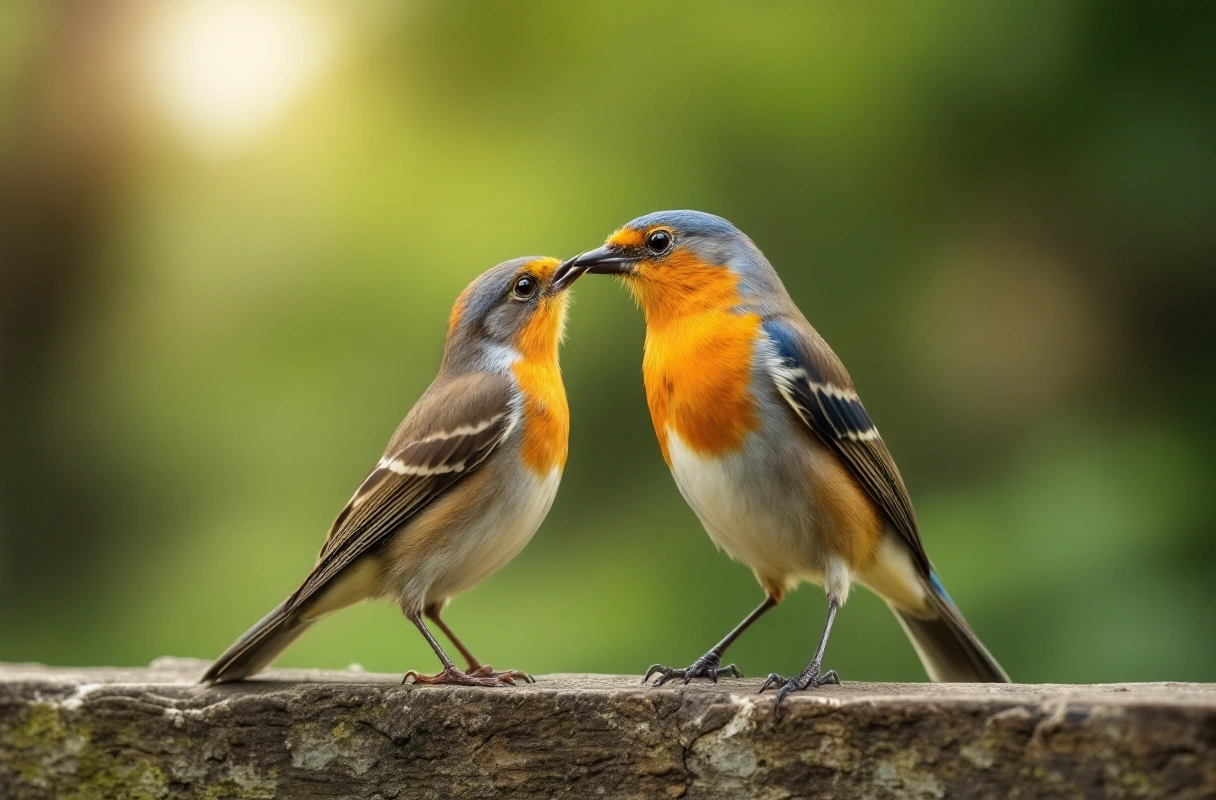
Understanding common bird behaviors can enhance your birdwatching experience by allowing you to predict actions and interactions in real-time. Here are some behaviors to watch for:
Birds employ various foraging techniques based on their diets and environments. Some species, like woodpeckers, use their beaks to drill into trees for insects, while others, like sparrows, forage on the ground for seeds. Observing these techniques can provide insights into their ecological roles.
Many birds exhibit territorial behaviors during breeding seasons. Males often engage in vocalizations, displays, and even physical confrontations to establish dominance. Recognizing these behaviors can help you identify breeding individuals and their territories.
Birds exhibit complex social structures that can vary by species. Some, like geese, are highly social and form strong family units, while others, like solitary hawks, prefer to live independently. Understanding these social dynamics can enrich your birdwatching experience.
As previously discussed, migration is a fascinating behavior that varies significantly among species. Observing the timing and routes of local migratory birds can provide insights into their ecological needs and adaptations.
Birds exhibit a range of nesting behaviors, from monogamous pair bonding to communal nesting. Observing parental care, such as feeding and protecting chicks, can offer a glimpse into the life cycles of various species.
Birdwatching is a rewarding activity that connects us with nature and encourages environmental stewardship. By equipping yourself with essential bird facts and understanding common behaviors, you can enhance your birdwatching experiences at local hotspots.
As you explore the world of birdwatching, the insights gained from understanding bird facts can significantly enhance your enjoyment and appreciation of avian life. Whether you're observing migratory patterns, feeding behaviors, or nesting habits, every detail contributes to a richer birdwatching experience.
Banana Slug Club is dedicated to providing resources and support for birdwatchers of all levels. We encourage you to delve deeper into the world of birds, apply these facts, and enjoy the beauty of your local ecosystems.
To further enhance your birdwatching journey and access a wealth of resources, visit Banana Slug Club for more information and tips tailored to your needs.
Get free resources, early access to new features and updates.
No spam. Just fun educational emails!


.svg)
.svg)