.svg)


We're working on this quiz!
Come back soon to test your knowledge about the
Come back soon to test your knowledge about the
Red Racer
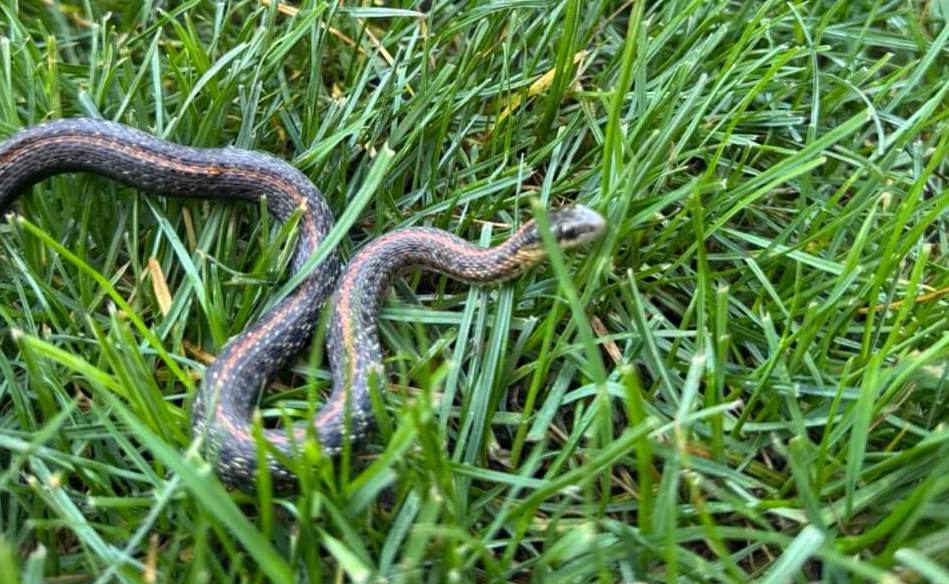

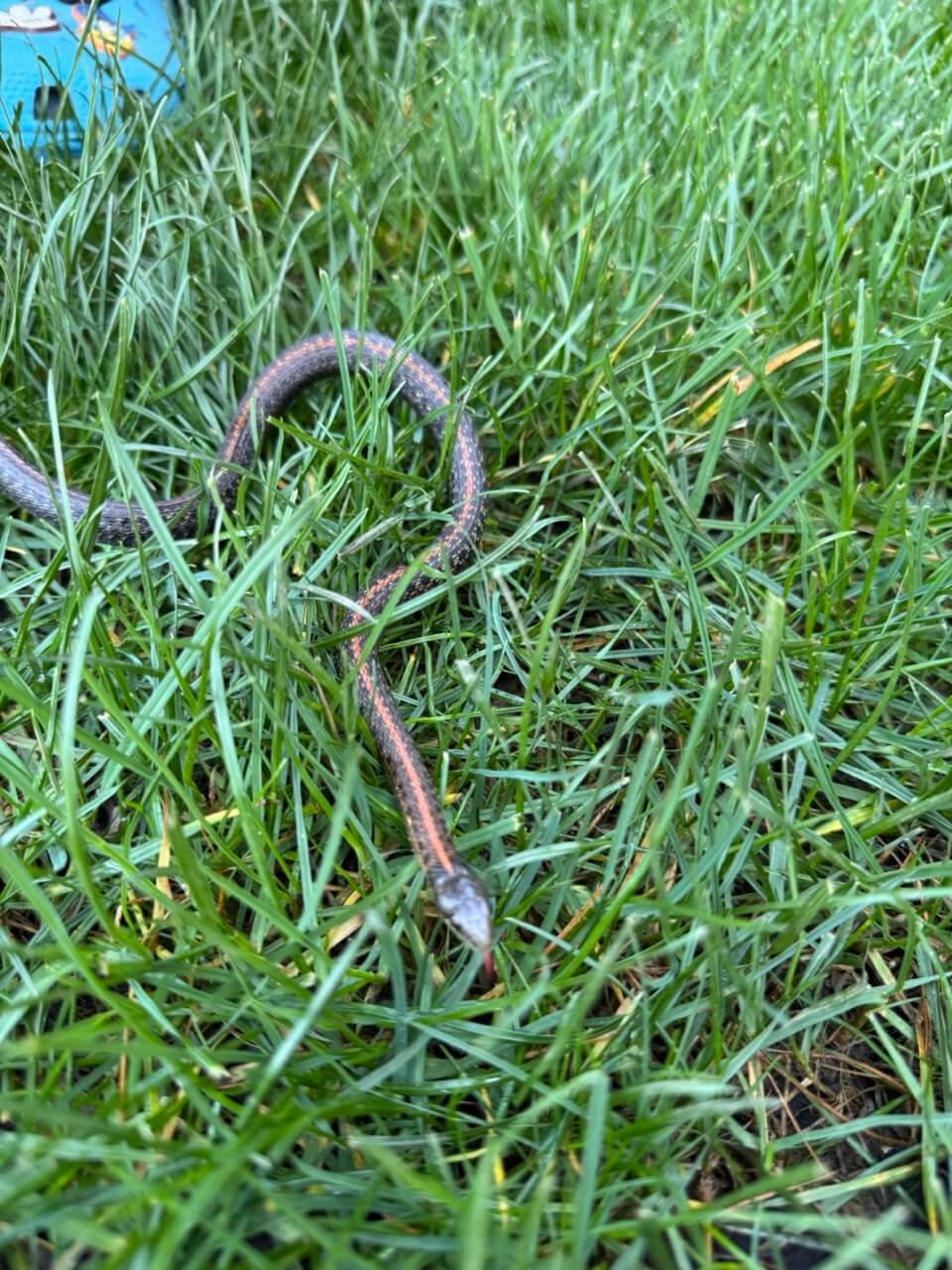
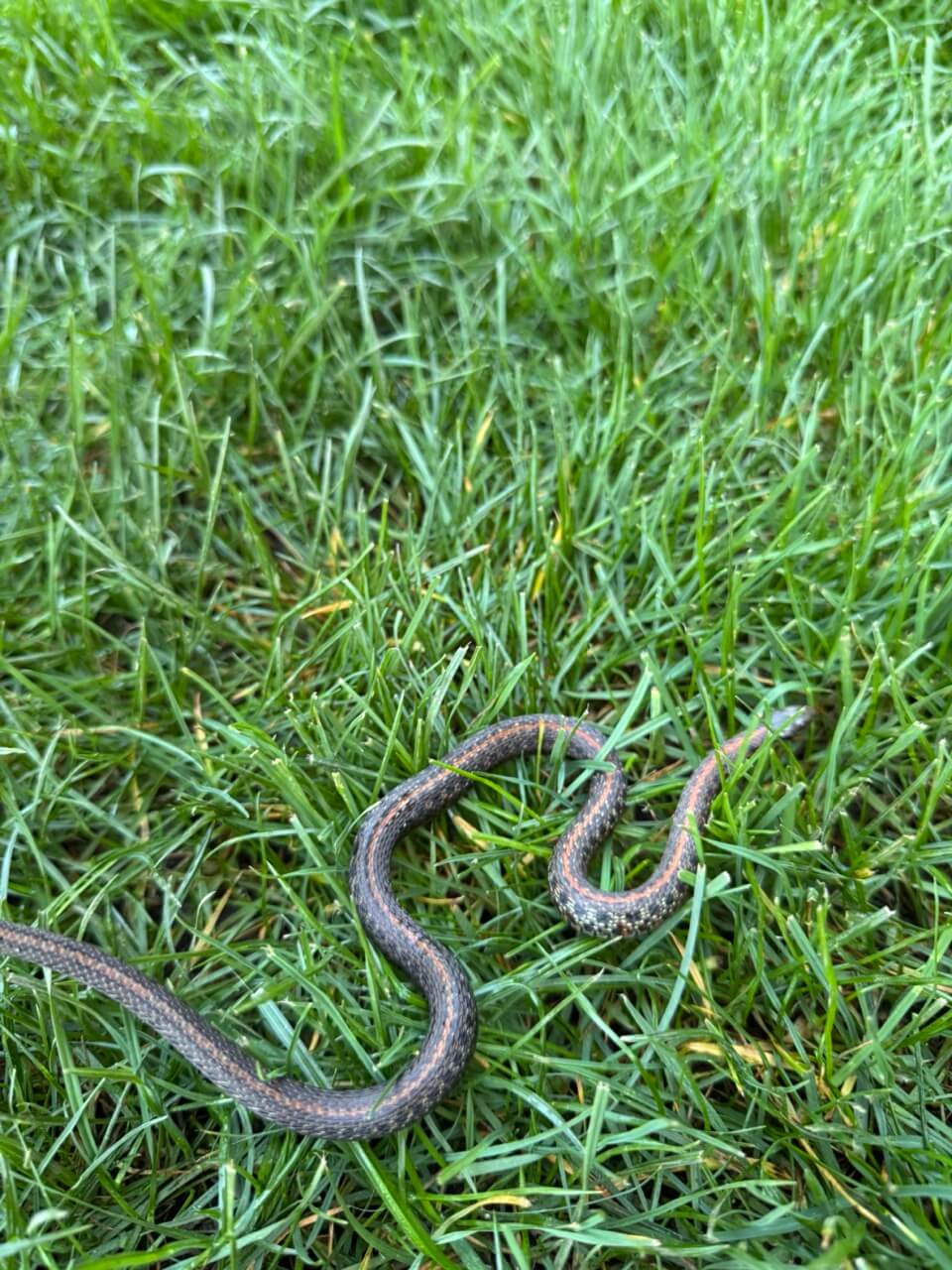
Red racers are carnivores with a big appetite for fast-moving prey. Their diet includes lizards, smaller snakes (including rattlesnakes!), rodents, birds, bird eggs, frogs, and large insects like grasshoppers and cicadas. They're active hunters that chase down prey rather than ambushing it - their excellent vision and incredible speed make them successful pursuit predators. Unlike constrictor snakes that squeeze their prey, red racers simply grab their food with their mouth and swallow it alive. They're known for their aggressive feeding style, sometimes thrashing prey against the ground to subdue it. Red racers have fast metabolisms and need to eat frequently, hunting throughout the day when their prey is most active. They're also immune to rattlesnake venom, allowing them to prey on these dangerous snakes without harm.
The red racer, also known as the red coachwhip, is a subspecies of the coachwhip snake and one of the most impressive serpents of the American Southwest. Adults typically grow 4-6 feet long, with some exceptional individuals reaching up to 8 feet, making them one of the longer snake species in North America. Despite their length, they're slender and lightweight, built for speed rather than power. Their scales have a distinctive braided appearance, resembling the woven leather of a coachwhip - hence their common name. Coloration varies across their range, but the classic red racer displays beautiful shades of pink, red, coral, or reddish-tan, often with darker coloring toward the head that fades to lighter pink or cream toward the tail. Their large eyes with round pupils give them excellent daytime vision.
Red racers are remarkable for their speed, agility, and bold hunting behavior. While most snakes are ambush predators that wait for prey to come to them, red racers are active pursuit hunters that chase down their meals. They can move at speeds up to 4 mph in short bursts - not fast by human standards, but incredibly quick for a snake. They often hunt with their head raised high above the ground, scanning the landscape for movement with their keen eyesight. When they spot a lizard, mouse, or other prey, they give chase, using their speed and agility to run down their victim. They're diurnal (day-active) snakes that seem unfazed by the scorching desert heat that sends most other animals into hiding. They're also excellent climbers and swimmers, making them versatile hunters across varied terrain.
Despite their intimidating speed and size, red racers are completely harmless to humans - they're non-venomous and rarely bite unless grabbed or cornered. However, they have a feisty reputation and won't hesitate to defend themselves if threatened. When confronted, a red racer may coil up, vibrate its tail (which sounds like a rattlesnake in dry leaves), strike repeatedly, and even bite if handled. Some people mistakenly believe the old myth that coachwhips will "whip" people with their tails, but this is entirely false. Red racers actually provide valuable pest control services, eating large numbers of rodents and insects. They're also one of the few predators that regularly eat rattlesnakes, thanks to their speed (allowing them to avoid strikes) and apparent immunity to rattlesnake venom. While red racer populations remain healthy overall, they face threats from habitat loss, road mortality (they're frequently hit by cars while crossing desert highways), and persecution by humans who mistake them for dangerous snakes.
.jpeg)


.jpeg)
.jpg)

