.svg)


We're working on this quiz!
Come back soon to test your knowledge about the
Come back soon to test your knowledge about the
Garter Snake
.jpeg)

.jpeg)
.jpeg)
.jpeg)
Garter snakes are carnivores with a varied diet that includes earthworms, slugs, snails, leeches, small fish, tadpoles, frogs, salamanders, small mice, and insects. They're opportunistic hunters, meaning they'll eat whatever small prey they can find and overpower. Garter snakes hunt by using their keen sense of smell, flicking their tongues to detect chemical signals in the air. Once they find prey, they grab it with their small teeth and swallow it whole, sometimes while it's still wiggling! They don't need to eat every day and can go several days or even weeks between meals.
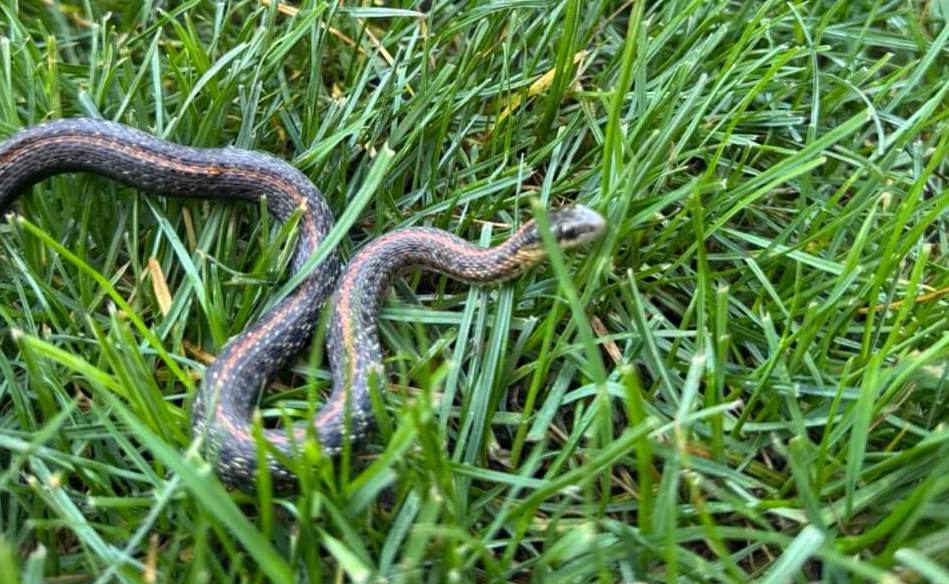
The garter snake is one of the most widespread and recognizable snakes in North America, found from Canada all the way down to Central America. These slender snakes typically grow between 18 to 26 inches long, though some can reach up to 4 feet. Their most distinctive feature is the three light-colored stripes - usually yellow, white, or greenish - that run from head to tail along their dark brown, black, or greenish bodies. Between the stripes, many garter snakes have a checkered pattern of spots.
Garter snakes are incredibly adaptable and can live in many different habitats including forests, grasslands, meadows, marshes, and even suburban gardens. They're cold-blooded reptiles that love to bask in the sun on warm rocks or logs to regulate their body temperature. During winter in colder regions, garter snakes brumate (similar to hibernation) in underground dens, often gathering in large groups of hundreds or even thousands for warmth and protection.
These gentle snakes are completely harmless to humans and actually make great neighbors because they eat garden pests like slugs and insects. While garter snakes can bite if handled roughly or cornered, they rarely do, and their tiny teeth can barely break human skin. Their first defense is usually to flee, and if caught, they might release a smelly musk as a last resort. Garter snakes are active during the day, making them one of the easiest snakes to spot in the wild. They play an important role in the ecosystem by controlling pest populations and serving as food for hawks, herons, raccoons, and other predators.


.jpeg)
.jpg)

