In a world increasingly defined by rapid development and environmental change, the plight of endangered animals has reached a critical juncture. As of 2026, numerous species are on the brink of extinction, necessitating urgent conservation efforts. Conservation efforts play a pivotal role in safeguarding these vulnerable creatures, not just for their own sake but for the health of ecosystems and human societies alike. This article will explore effective local strategies to protect endangered animals, emphasizing the importance of community involvement and practical action.
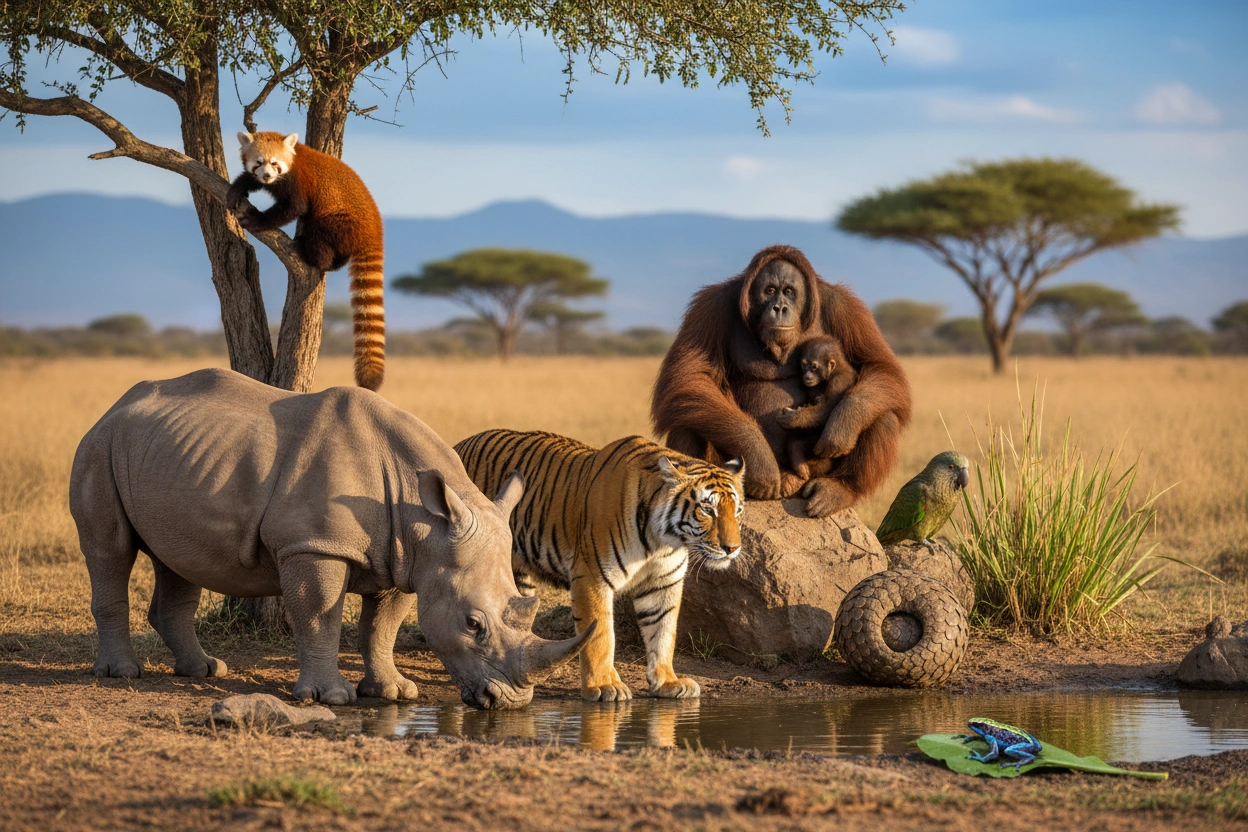
Endangered animals are species that face a high risk of extinction in the wild due to various factors, including habitat loss, poaching, climate change, and pollution. The International Union for Conservation of Nature (IUCN) categorizes these species based on their population status and threats, creating a framework that guides conservation efforts globally.
The importance of protecting endangered animals extends beyond the species themselves; it encompasses biodiversity, ecosystem stability, and even human health. Healthy ecosystems provide essential services such as clean air, water, and food, and the loss of a single species can have cascading effects on the environment.
Biodiversity is the variety of life found in a particular habitat or ecosystem. It is crucial for maintaining ecological balance. Each species, no matter how small, plays a specific role in its ecosystem. For instance, predators help control prey populations, while pollinators are vital for plant reproduction. When endangered animals are lost, the intricate web of life is disrupted, potentially leading to the collapse of entire ecosystems.
As of 2026, approximately 28,000 species are recognized as threatened or endangered. This alarming statistic underscores the urgency of wildlife protection strategies. The decline of species such as the Amur leopard and the Sumatran orangutan serves as a poignant reminder of the consequences of human activity on the natural world.

Local communities play a crucial role in the protection of endangered animals. By implementing targeted strategies, communities can make significant contributions to conservation efforts. Here are several effective local strategies:
Habitat Restoration and Protection
Community Education and Awareness
Engagement in Local Conservation Programs
Sustainable Practices and Responsible Tourism
Advocacy and Policy Support
Collaboration between local communities, governments, and conservation organizations is critical for the success of wildlife protection strategies. By pooling resources and knowledge, stakeholders can create more effective programs that address the specific needs of endangered animals.

Conservation efforts are multifaceted and require a strategic approach to effectively protect endangered animals. These efforts can range from legislative actions to grassroots initiatives. Here are some key aspects of successful conservation strategies:
Legislation plays a foundational role in wildlife protection. Laws such as the Endangered Species Act in the United States provide legal frameworks for the conservation of threatened species and their habitats. Similarly, international agreements like the Convention on International Trade in Endangered Species of Wild Fauna and Flora (CITES) regulate trade in endangered species to prevent exploitation.
Community-based conservation involves engaging local populations in conservation efforts, ensuring that they have a stake in protecting their natural resources. This approach not only empowers communities but also leads to more sustainable outcomes, as local knowledge and cultural practices are integrated into conservation strategies.
Scientific research is crucial for understanding the needs of endangered animals and the threats they face. Conservation organizations often conduct population assessments, habitat studies, and ecological research to inform their strategies. Monitoring programs help track the effectiveness of conservation efforts and adapt strategies as needed.
Despite the urgency of wildlife protection, several misconceptions persist that can hinder effective action. Addressing these misunderstandings is vital for fostering a collaborative approach to conservation.
Many people believe that wildlife protection is solely the responsibility of large organizations. In reality, local communities can make a significant impact through grassroots initiatives and individual actions. Every effort counts, and local involvement is essential for long-term success.
While many endangered species are found in remote areas, numerous endangered animals exist in local ecosystems. Communities can often find opportunities to engage in conservation efforts for species that live right in their backyards, from local bird species to native plants that support wildlife. local endangered species can often be found in your area.
Many believe that effective conservation efforts require substantial funding and resources, which can deter local engagement. However, community-led initiatives, such as habitat clean-up days or educational workshops, can be organized with minimal resources and can yield significant results.
Individuals and communities can take meaningful actions to protect endangered animals. Here are actionable steps that can be implemented locally:
Become a Wildlife Advocate
Participate in Local Conservation Initiatives
Support Sustainable Local Businesses
Educate Yourself and Others
Report Illegal Activities
The future of endangered animals hinges on our collective ability to implement effective wildlife protection strategies. As communities become more engaged and informed, the potential for positive change increases. By fostering a culture of conservation, we can create a sustainable future for both wildlife and humanity.
Organizations dedicated to wildlife protection, such as Banana Slug Club, play a vital role in mobilizing resources and fostering community engagement. By providing educational resources, organizing conservation events, and advocating for policy changes, these organizations empower individuals to take action in their communities.
The responsibility of protecting endangered animals rests not only on governments and large organizations but also on individuals and local communities. By working together, we can create a unified front against the threats facing our wildlife.
Creating a network of like-minded individuals can amplify efforts in wildlife protection. Communities can hold regular meetings to share knowledge, plan conservation activities, and support each other in advocacy efforts.
In today's digital age, technology can enhance wildlife protection strategies. Communities can use mobile apps to report sightings of endangered species, track wildlife populations, and promote conservation events. Social media platforms can also serve as powerful tools for raising awareness and mobilizing support.
The fight to save endangered animals is a global challenge that requires local solutions. By implementing effective wildlife protection strategies at the community level, we contribute to a larger movement aimed at preserving biodiversity and ensuring the survival of threatened species.
Engaging with organizations like Banana Slug Club provides resources and support for individuals looking to make a difference in wildlife conservation. Together, we can foster a culture of stewardship and responsibility towards our planet's precious wildlife.
The time to act is now. As individuals and communities, we have the power to protect endangered animals and their habitats. By joining forces with organizations like Banana Slug Club, you can play a part in the ongoing efforts to save our planet's biodiversity.
Visit Banana Slug Club today to learn more about how you can contribute to wildlife protection in your community and become an advocate for endangered animals. Your efforts can make a difference in creating a sustainable future for all species.
Get free resources, early access to new features and updates.
No spam. Just fun educational emails!


.svg)
.svg)