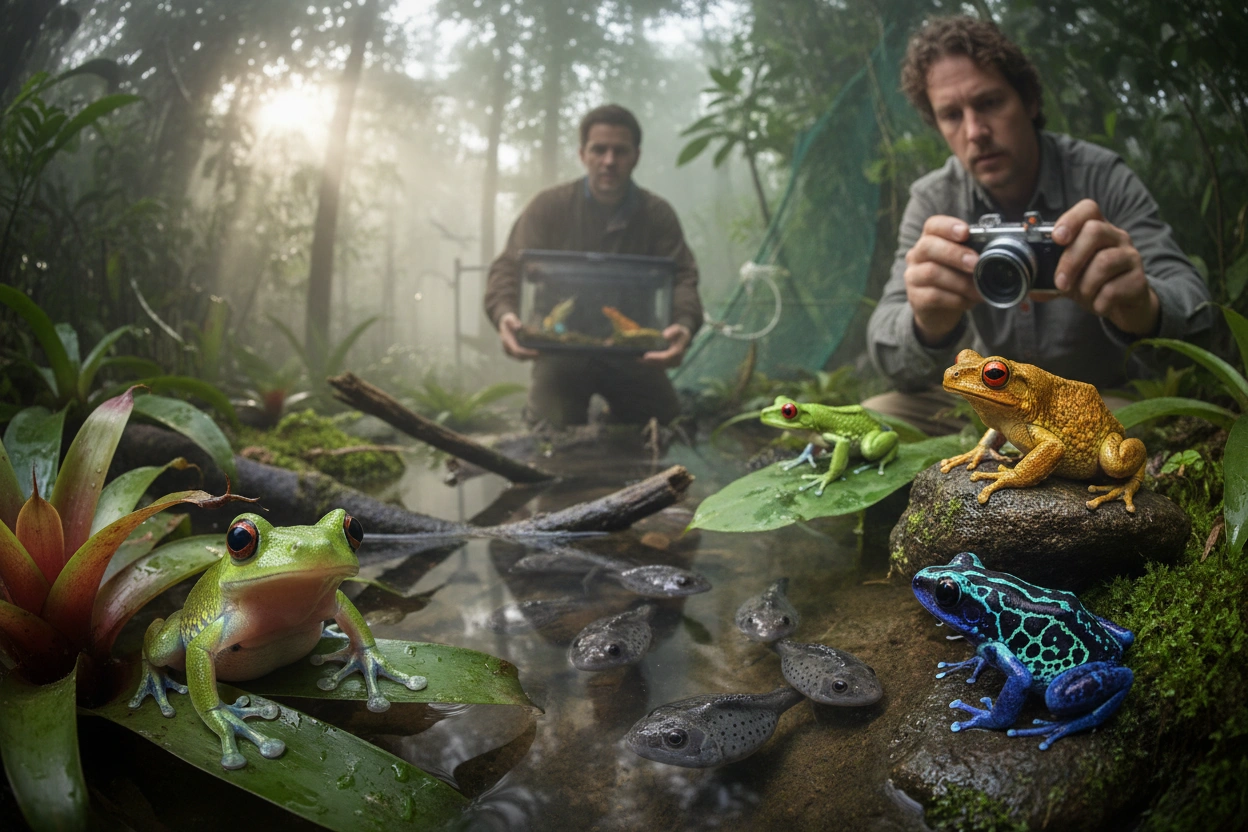
The plight of endangered animals is a pressing issue that affects not only the species themselves but the entire ecosystems they inhabit. As of 2026, habitat loss remains one of the leading causes of species endangerment, posing severe threats to biodiversity globally. Understanding the significance of endangered animals helps highlight their roles in maintaining ecological balance and the urgent need for conservation efforts. This article delves into the importance of these species, the impact of habitat loss, and actionable strategies for protecting endangered animals.

Endangered animals play critical roles in their ecosystems, acting as indicators of environmental health and stability. They contribute to various ecological processes such as pollination, seed dispersal, and maintaining predator-prey dynamics. For instance, large predators like wolves help regulate deer populations, which in turn allows vegetation to thrive. The removal of such keystone species can lead to overpopulation of certain species, resulting in habitat degradation.
Additionally, endangered species often have unique adaptations that allow them to fill specific niches within their environments. The loss of these animals can disrupt food webs and lead to unforeseen consequences. For example, the decline of certain fish species can impact the entire aquatic ecosystem, affecting everything from plant life to other animal populations. The banana slug is an example of a species that plays a vital role in its habitat.
Another crucial aspect of endangered animals is their contribution to genetic diversity. Genetic variation within species is vital for resilience against diseases, climate changes, and other environmental stressors. Endangered species often possess unique genetic traits that can be invaluable for future conservation efforts. For example, the genetic material from endangered plants can be used to develop new crops that are more resilient to pests or changing climates.
In the context of conservation, maintaining genetic diversity is essential for species recovery. Conservation programs often focus on breeding programs that aim to increase the genetic pool of endangered populations. This approach not only helps stabilize the species but also enhances their adaptability to environmental changes.

Habitat loss is primarily driven by human activities such as urbanization, agriculture, deforestation, and climate change. Each of these factors contributes to the fragmentation and degradation of natural habitats, making it increasingly difficult for endangered animals to thrive. For instance, deforestation for agricultural expansion often leads to the destruction of habitats for species such as orangutans and tigers, pushing them closer to extinction.
The direct impacts of habitat loss on endangered animals are profound. Loss of habitat results in reduced food availability, increased competition for resources, and greater vulnerability to predators. Many species may find it challenging to locate suitable mates, leading to a decline in reproduction rates. For example, the Florida panther has faced significant challenges due to habitat fragmentation, which has limited its ability to find mates and has resulted in inbreeding.
Furthermore, habitat loss can lead to increased human-wildlife conflicts. As animals are forced into closer proximity with human populations, they may raid crops or pose threats to livestock, leading to retaliatory killings. This cycle not only jeopardizes the animals but also contributes to the degradation of biodiversity in the affected areas.
The loss of any endangered species can have a ripple effect throughout the ecosystem. When a species disappears, it can lead to overpopulation of other species, which may then deplete resources and alter habitats further. For example, the decline of beavers in North America has led to changes in wetland ecosystems, affecting numerous other species that rely on these habitats for survival.
The interconnectedness of ecosystems means that the loss of even a single species can compromise the integrity of the entire system. This highlights the urgency of conservation efforts aimed at protecting endangered animals and their habitats.

Effective conservation strategies are essential for protecting endangered animals and their habitats. These efforts often involve multiple stakeholders, including government agencies, non-profit organizations, and local communities. Some key strategies include:
Restoration efforts are vital for re-establishing habitats that have been degraded or destroyed. This can involve:
These restoration projects not only help endangered animals but also enhance ecosystem services that benefit human populations, such as clean water and carbon sequestration. For instance, conservation efforts for African elephants can help maintain the health of their habitats.
Raising awareness about the importance of endangered animals and the threats they face is crucial for garnering public support for conservation initiatives. Educational programs can help dispel common misconceptions and encourage positive behaviors towards wildlife. Strategies include:
A common misconception is that only large, charismatic animals, such as elephants and tigers, warrant conservation efforts. While these species often receive more attention, all endangered animals play vital roles in their ecosystems. Smaller species, such as pollinators and amphibians, are equally important for maintaining ecological balance. Protecting these lesser-known species is essential for overall biodiversity.
Another misconception is that conservation is solely the responsibility of government agencies. In reality, conservation requires a collective effort from individuals, communities, and organizations. Everyone can contribute through responsible consumer choices, supporting conservation organizations, and advocating for policies that protect endangered animals and their habitats. For instance, learning about reptile facts can help raise awareness.
As we move forward in 2026, the protection of endangered animals remains a critical aspect of biodiversity conservation. By understanding the importance of these species and the impacts of habitat loss, we can take informed actions to support their survival. Efforts must focus on sustainable practices that prioritize ecosystem health and resilience.
Individuals can play a significant role in conservation efforts. Here are some steps you can take to support endangered animals:
By taking these actions, individuals can contribute to a collective effort to protect endangered animals and their habitats.
Understanding the importance of endangered animals for biodiversity is crucial for our planet's future. The loss of these species can have far-reaching consequences for ecosystems and human communities alike. As highlighted throughout this article, habitat loss is a significant threat to endangered species, making conservation efforts even more critical.
Banana Slug Club is dedicated to promoting awareness and action regarding endangered animals and their habitats. Through educational programs and community engagement, we aim to foster a deeper understanding of biodiversity and the importance of protecting our planet's wildlife.
If you're passionate about making a difference and learning more about endangered animals, we invite you to get involved with Banana Slug Club. Together, we can create a brighter future for both wildlife and humanity.
For more information on how you can contribute to conservation efforts, visit Banana Slug Club.
Get free resources, early access to new features and updates.
No spam. Just fun educational emails!


.svg)
.svg)