Understanding Amphibian Conservation: Protecting Endangered Species

No items found.
Updated on:
February 16, 2026
Amphibian Conservation: Protecting Endangered Species
Updated on:
February 16, 2026

Understanding Amphibian Conservation: Protecting Endangered Species

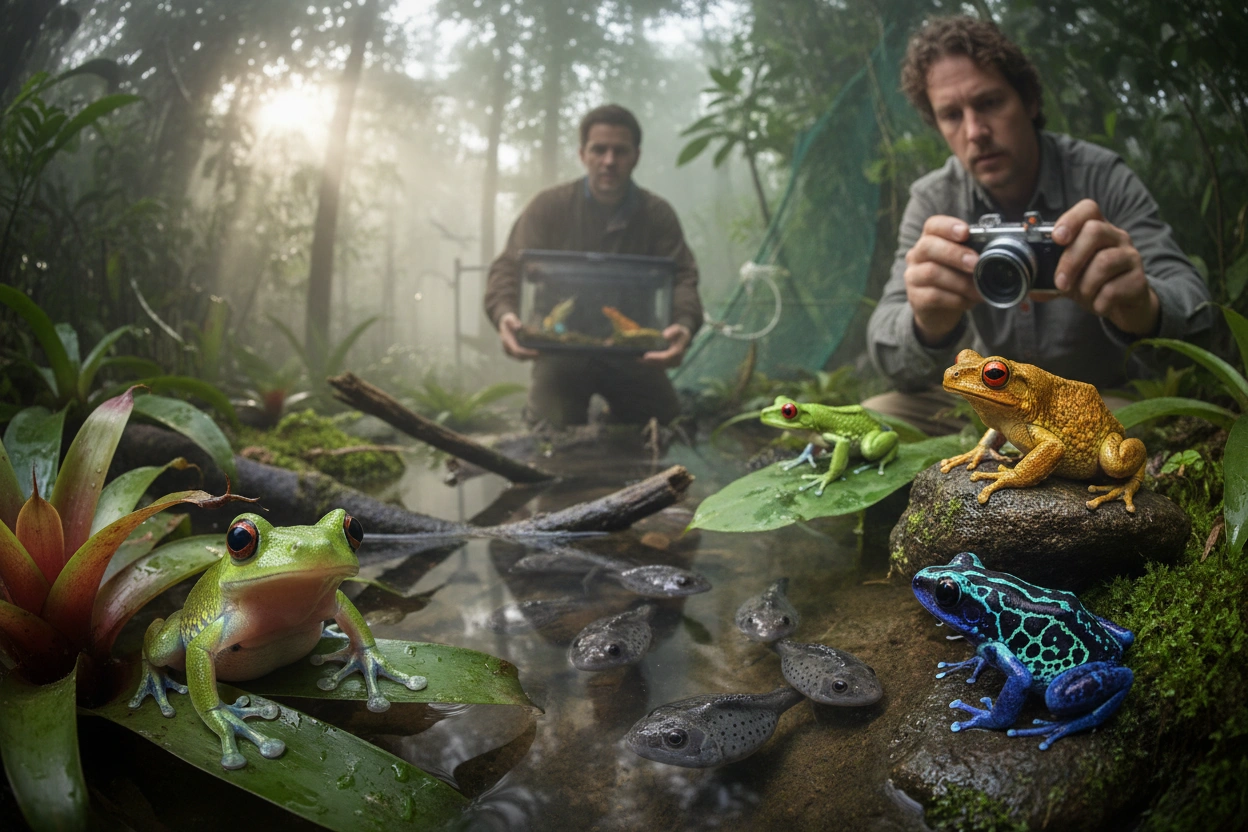
Amphibians, a diverse group of vertebrates that includes frogs, toads, salamanders, and newts, play a crucial role in our ecosystems. However, their populations are declining at an alarming rate due to habitat loss, pollution, climate change, and disease. In 2026, it is more important than ever to understand the nuances of amphibian conservation and the fascinating life cycles of these creatures. This article delves into the critical aspects of amphibian conservation, highlights various salamander types, and explains their life cycles to enhance awareness and encourage protective measures.

The Importance of Amphibian Conservation

Professional image illustrating The Importance of Amphibian Conservation

Amphibians are indicators of environmental health and serve as vital components of their ecosystems. Their permeable skin makes them sensitive to pollutants, thus serving as early warning signals for environmental degradation. Moreover, amphibians contribute to pest control and act as prey for various species, maintaining ecological balance.

Key Reasons for Amphibian Conservation

  • Biodiversity: Amphibians contribute significantly to global biodiversity. Protecting them ensures the preservation of numerous species and genetic diversity.
  • Ecosystem Services: They provide essential services such as pest control, pollination, and nutrient cycling, which are vital for ecosystem health.
  • Cultural Significance: Many cultures revere amphibians, integrating them into folklore, art, and education. Conserving them helps maintain cultural heritage.

Current Threats to Amphibians

Several factors threaten amphibian populations worldwide:

  • Habitat Loss: Urbanization, agriculture, and deforestation lead to the destruction of natural habitats.
  • Pollution: Pesticides, heavy metals, and pharmaceuticals contaminate water bodies, affecting amphibian health.
  • Climate Change: Altered weather patterns and temperature fluctuations disrupt breeding cycles and habitats.
  • Diseases: Amphibians are susceptible to diseases such as chytridiomycosis, caused by the chytrid fungus, which has decimated populations globally.

Fascinating Life Cycles of Amphibians Explained

Professional image illustrating Fascinating Life Cycles of Amphibians Explained

Understanding the life cycles of amphibians is essential for effective conservation strategies. Amphibians undergo a remarkable transformation from egg to adult, a process known as metamorphosis. This complex life cycle can vary significantly among different species.

Stages of the Amphibian Life Cycle

  1. Egg Stage: Amphibians typically lay eggs in water. The eggs are often surrounded by a gelatinous substance that protects them from predators and environmental factors.
  2. Tadpole Stage: After hatching, most amphibians enter the tadpole stage, characterized by a tail and gills for aquatic living. During this stage, they primarily feed on algae and organic matter.
  3. Metamorphosis: As tadpoles grow, they undergo metamorphosis, developing limbs and losing their tails and gills. This stage is critical, as it prepares them for a terrestrial lifestyle.
  4. Adult Stage: Once metamorphosis is complete, amphibians become adults, capable of living both on land and in water. Adult amphibians often return to water to breed.

Unique Salamander Types and Their Life Cycles

Among the diverse amphibian species, salamanders stand out with their unique adaptations and life cycles. Here are some notable salamander types:
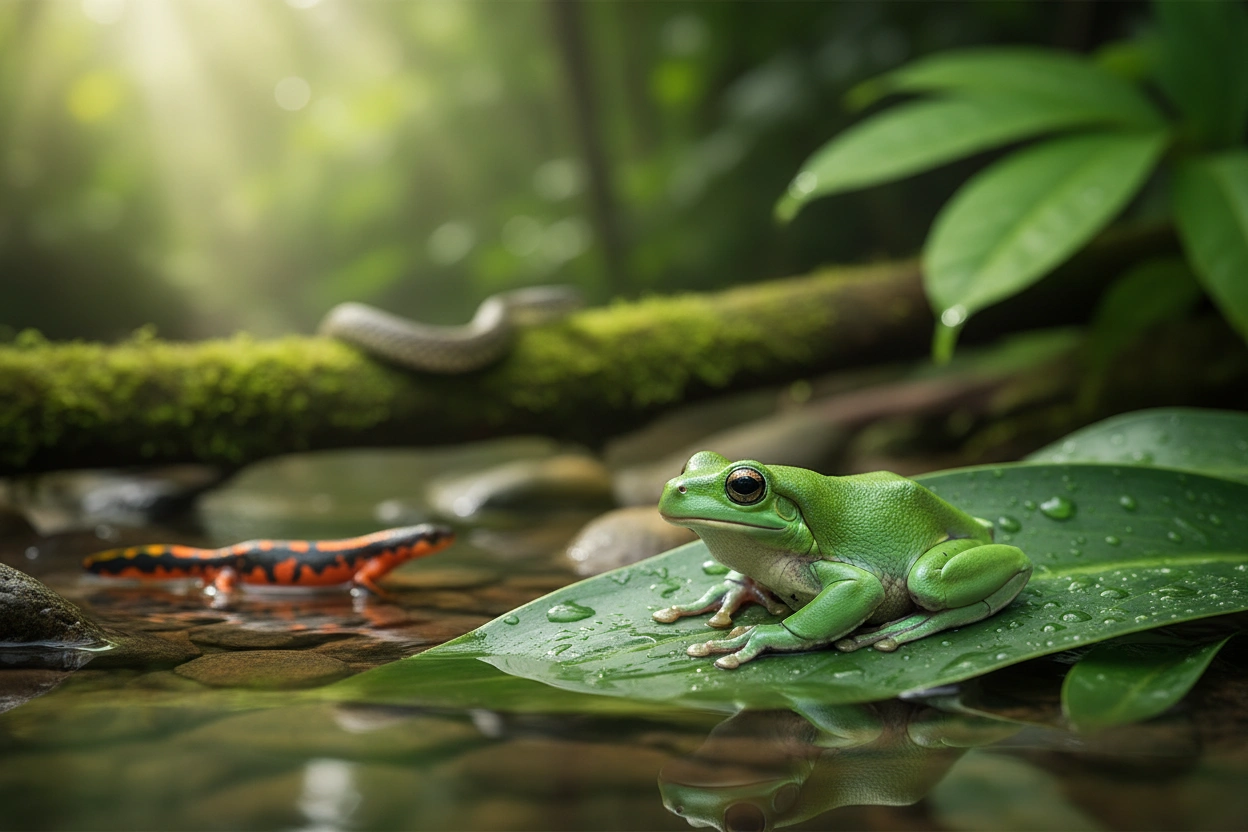
  • Eastern Red-backed Salamander (Plethodon cinereus): This terrestrial species exhibits a direct development life cycle, where eggs hatch directly into miniature adults, bypassing the aquatic larval stage.
  • Tiger Salamander (Ambystoma tigrinum): Known for its striking patterns, the tiger salamander has a complex life cycle that includes an aquatic larval stage. It requires ponds for breeding, making it vulnerable to habitat loss.
  • Axolotl (Ambystoma mexicanum): A fascinating neotenic salamander that retains its larval features throughout its life. The axolotl is a model organism for scientific research due to its regenerative abilities.

Common Misconceptions about Amphibians

Professional image illustrating Common Misconceptions about Amphibians

Despite their importance, amphibians are often misunderstood. Addressing these misconceptions can help foster a deeper appreciation for these creatures and promote conservation efforts.

Misconceptions and Clarifications

  • Misconception: All amphibians are toxic.

    • Clarification: While some amphibians possess toxins for defense, not all species are toxic. Many are harmless and play essential roles in their ecosystems.
  • Misconception: Amphibians are only found in wet environments.

    • Clarification: Although many amphibians prefer moist habitats, some species have adapted to drier environments and can thrive in various ecosystems.
  • Misconception: Amphibians do not contribute to pest control.

    • Clarification: Amphibians, especially frogs, are voracious insectivores and play a vital role in controlling pest populations.

Strategies for Amphibian Conservation

Effective amphibian conservation requires a multi-faceted approach that includes habitat protection, public education, and research initiatives. Here are several strategies that can be implemented:

Essential Conservation Strategies

  1. Habitat Restoration: Protecting and restoring natural habitats is crucial for amphibian survival. This includes reforestation, wetland restoration, and the creation of wildlife corridors to connect fragmented habitats.

  2. Pollution Control: Implementing stricter regulations on pollutants entering waterways can help improve amphibian health. Encouraging organic farming practices and reducing pesticide use are effective measures.

  3. Public Awareness Campaigns: Educating the public about the importance of amphibians and how to protect them can foster community engagement. Schools, nature centers, and social media can be effective platforms for outreach.

  4. Research and Monitoring: Ongoing research is essential to understand amphibian populations and their needs. Monitoring programs can help track changes in populations and detect emerging threats.

Community Involvement in Conservation

Community engagement is vital for successful conservation efforts. Here are ways individuals can contribute:

  • Participate in Citizen Science: Join local initiatives to monitor amphibian populations and habitats. This can include reporting sightings or participating in organized surveys.
  • Create Amphibian-Friendly Gardens: Homeowners can plant native vegetation and create small ponds to provide habitats for local amphibians.
  • Advocate for Policy Change: Support local and national policies that protect amphibian habitats and promote sustainable practices.

The Role of Organizations in Amphibian Conservation

Various organizations are dedicated to amphibian conservation, providing resources, funding, and expertise. Engaging with these organizations can amplify conservation efforts.

Notable Organizations

  • The Amphibian Survival Alliance: This global partnership focuses on the conservation of amphibians through collaborative action and awareness-raising.
  • The IUCN Amphibian Specialist Group: They work on the assessment and monitoring of amphibian species, providing critical data for conservation planning.

How to Get Involved

  • Volunteer: Many organizations offer volunteer opportunities for habitat restoration, education, and research.
  • Donate: Financial contributions can help support ongoing research and conservation programs.
  • Spread Awareness: Use social media platforms to share information about amphibians and their conservation needs.

The Intersection of Amphibians and Community Engagement

Understanding amphibians and their conservation is not just for scientists and environmentalists; it is a shared responsibility that involves communities, educators, and individuals. By fostering a connection with amphibians, we can collectively work towards their protection.

How Banana Slug Club Can Help

Banana Slug Club is committed to promoting awareness and education about amphibian conservation. Through our initiatives, we aim to engage communities in understanding the importance of these creatures and provide resources for effective conservation practices.

By participating in our programs, readers can learn more about amphibians and contribute to their protection. Whether it’s through educational workshops, community events, or online resources, Banana Slug Club serves as a hub for those passionate about preserving our natural world.

Join the Movement

To make a difference for amphibians and support conservation efforts, consider joining Banana Slug Club. Engage with our community and explore various ways you can help protect these fascinating creatures.

  • Contact Banana Slug Club for more information on how to get involved, participate in local events, or access educational resources.

In conclusion, amphibians are essential to our ecosystems, and understanding their conservation needs is crucial for their survival. By engaging with organizations like Banana Slug Club, we can collectively contribute to the protection of these remarkable species and ensure their presence for future generations.

Join the Banana Slug Club!

Get free resources, early access to new features and updates.
No spam. Just fun educational emails!