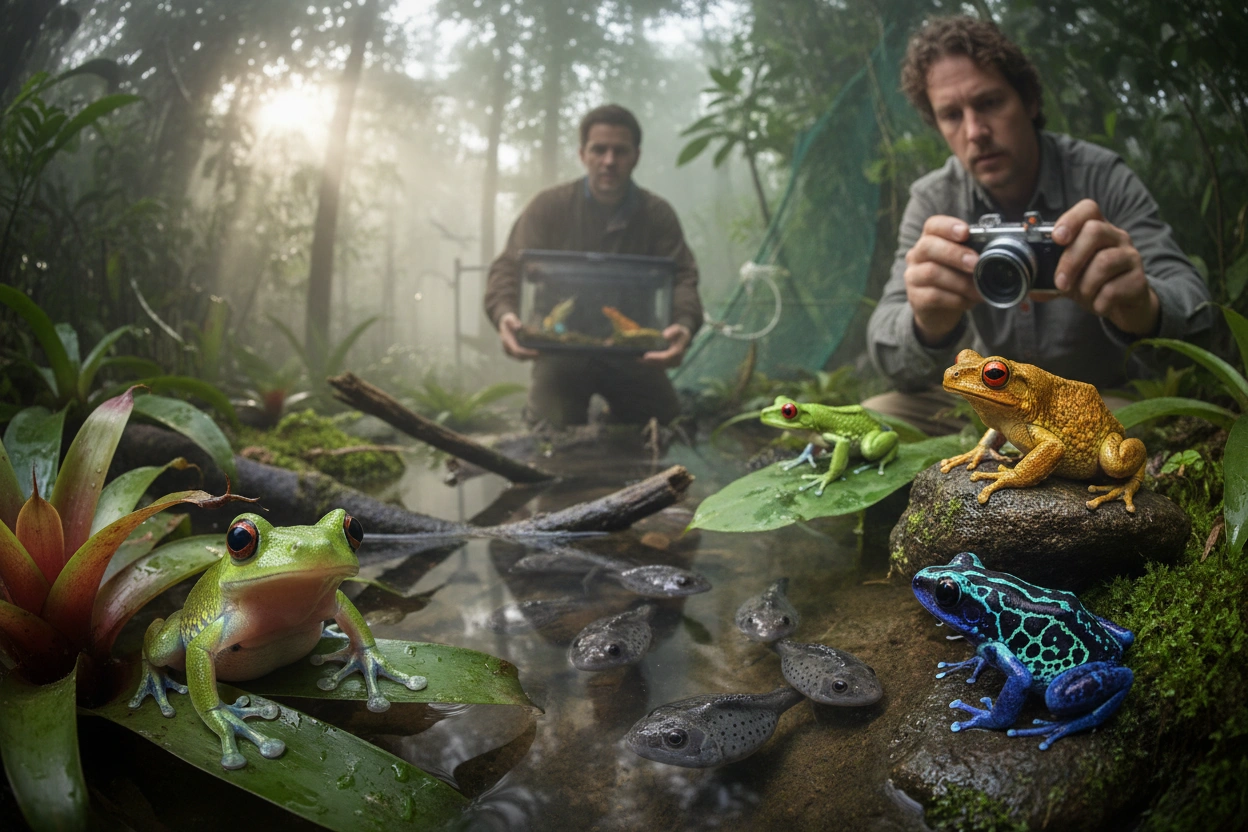
Reptiles are an essential part of our ecosystem, playing crucial roles in maintaining the balance of nature. However, many species are facing unprecedented threats due to habitat destruction, climate change, poaching, and invasive species. As of 2026, the International Union for Conservation of Nature (IUCN) lists numerous reptiles as endangered or critically endangered, emphasizing the urgent need for conservation efforts. This article explores the top 10 most endangered reptile species, providing insights into their plight and actionable steps individuals and communities can take to aid in their conservation.
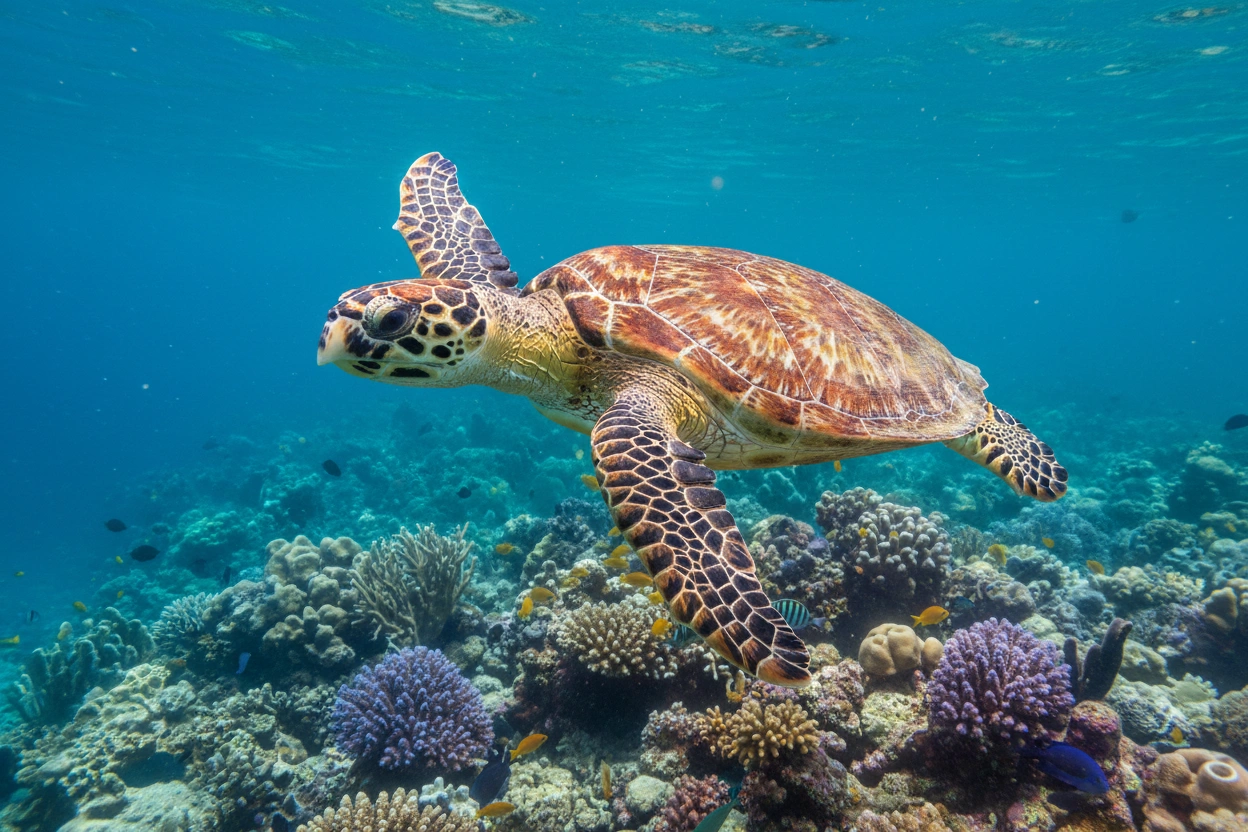
The Hawksbill sea turtle is renowned for its beautiful shell and critical role in marine ecosystems. This species is primarily threatened by illegal trade of its shell, habitat loss, and climate change. Hawksbills are often found in coral reefs, where they help maintain the health of these ecosystems by controlling sponge populations.
Efforts to conserve Hawksbill sea turtles include the establishment of marine protected areas and stricter enforcement against illegal poaching. Additionally, community awareness programs are vital in educating local populations about the importance of these turtles and promoting sustainable fishing practices. Individuals can contribute by participating in beach clean-ups and supporting organizations focused on marine conservation.
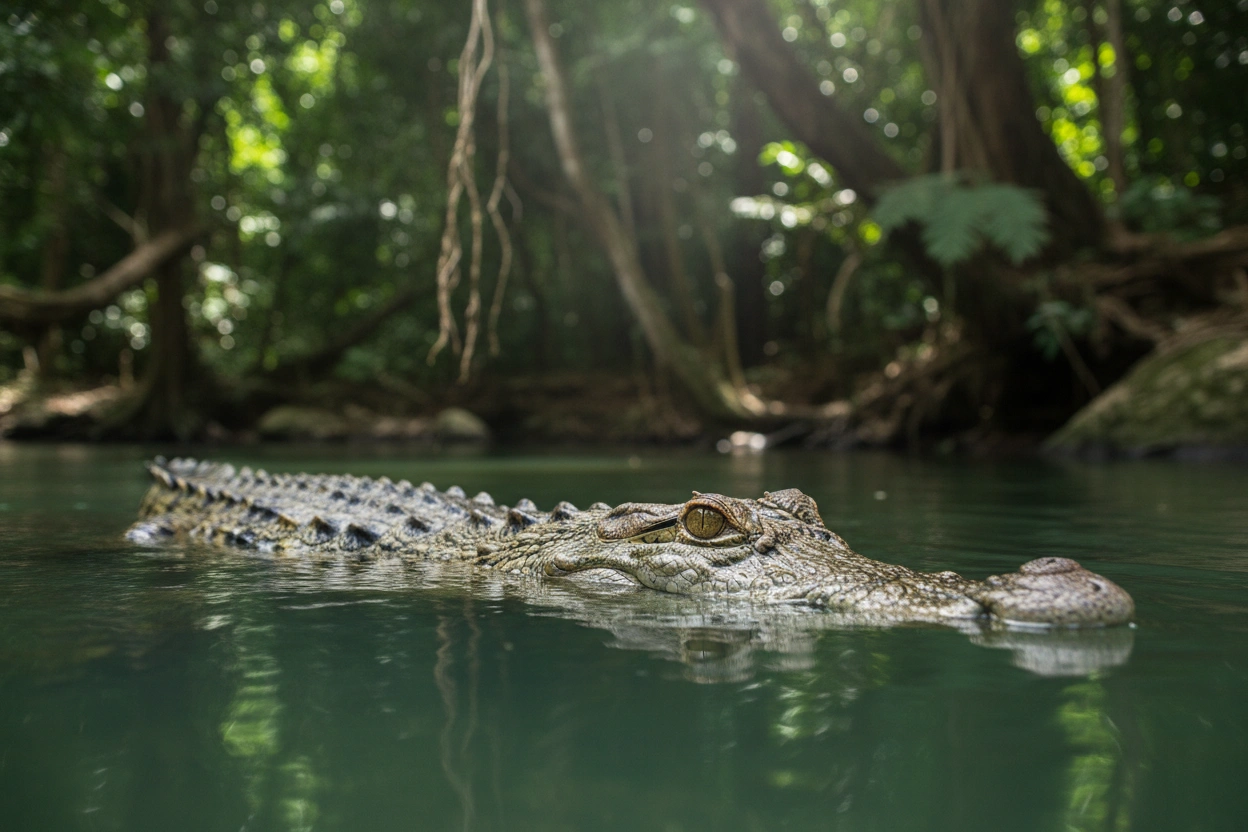
The Philippine crocodile is one of the most endangered reptiles in the world, with fewer than 250 individuals estimated to remain in the wild. Habitat destruction due to agricultural expansion and human encroachment, along with poaching for skins, has led to its drastic decline. Conservation efforts are focused on habitat restoration and breeding programs to increase population numbers.
Community engagement is crucial for the survival of the Philippine crocodile. Local residents can help by reporting illegal hunting activities and participating in awareness campaigns about the importance of this species. Supporting ecotourism initiatives that promote crocodile conservation can also provide economic benefits to communities while protecting this endangered reptile.

The gharial, a unique fish-eating crocodilian, is critically endangered due to habitat loss and declining fish populations. Once widespread in the river systems of India and Nepal, its numbers have plummeted to fewer than 200 breeding adults. Conservationists are working tirelessly to restore river habitats and protect nesting sites.
To aid gharial conservation, individuals can support river clean-up initiatives and advocacy groups that promote sustainable fishing practices. Educational programs aimed at local communities can help raise awareness about the gharial's ecological role and the importance of preserving such rare species and the importance of preserving its habitat.
Although not a reptile, the Bornean pygmy elephant's plight illustrates the interconnectedness of species in their habitats. These elephants are critically endangered, with habitat loss from logging and palm oil plantations threatening their survival. The conservation of their habitat is vital for the protection of numerous reptile species that share the same ecosystem.
To help, individuals can choose sustainably sourced products and support organizations dedicated to rainforest conservation. Participating in or donating to reforestation projects can also contribute to the preservation of the delicate balance within these ecosystems.
The Yangtze giant softshell turtle is the most endangered turtle species in the world, with only three known individuals remaining. Habitat destruction, pollution, and hunting have led to its near extinction. Conservation efforts are focused on breeding programs and habitat protection to increase the chances of survival for this species.
Individuals can contribute to the conservation of the Yangtze giant softshell turtle by supporting organizations that focus on turtle conservation and habitat restoration. Awareness campaigns that educate the public about the importance of preserving such rare species can also foster community involvement in conservation efforts.
The Madagascar ploughshare tortoise is critically endangered due to habitat loss and illegal poaching for the pet trade. With fewer than 200 individuals remaining in the wild, this tortoise is one of the rarest reptiles on the planet. Conservation efforts include habitat protection and breeding programs to help increase population numbers.
Supporting local conservation initiatives and spreading awareness about the plight of the Madagascar ploughshare tortoise can significantly impact its survival. Individuals can also help by avoiding the purchase of exotic pets and promoting sustainable practices that protect this unique species.
Once thought extinct, the Saint Lucia racer is one of the world's rarest snakes, with a population of around 20 individuals. Habitat destruction and predation by invasive species have severely impacted its numbers. Conservation efforts focus on habitat restoration and the control of invasive species to ensure the survival of this snake.
To assist in the conservation of the Saint Lucia racer, individuals can engage in local biodiversity projects and support initiatives that promote the eradication of invasive species. Educating communities about the ecological importance of native reptiles can foster a sense of responsibility for their protection.
The Roti Island snake-necked turtle, native to Indonesia, is critically endangered due to habitat loss and the illegal pet trade. With an estimated population of fewer than 50 individuals, this turtle faces an uncertain future. Conservation efforts include habitat protection and the establishment of breeding programs to bolster its population.
Individuals can contribute to the conservation of the Roti Island snake-necked turtle by supporting organizations focused on wildlife protection and habitat restoration. Participating in educational campaigns can help raise awareness about the threats facing this unique species and promote conservation efforts.
The black-breasted leaf turtle is a critically endangered species due to habitat destruction and the illegal pet trade. Found primarily in Vietnam, this turtle is facing rapid declines in its population. Conservation efforts are aimed at habitat protection and raising awareness about the importance of preserving this species.
To support the conservation of the black-breasted leaf turtle, individuals can participate in local conservation initiatives and advocate for stricter regulations against the illegal wildlife trade. Supporting sustainable practices in the regions where these turtles are found can also contribute to their survival.
The Antiguan racer is one of the world's rarest snakes, with a population of approximately 50 individuals remaining. Habitat destruction and predation by invasive species have severely impacted its numbers. Conservation efforts focus on habitat restoration and the control of invasive species to ensure the survival of this snake.
Individuals can engage in local conservation efforts by supporting initiatives aimed at restoring natural habitats and controlling invasive species. Raising awareness about the Antiguan racer's plight can help foster community support for conservation initiatives.
Conservation of endangered reptiles requires collective efforts from individuals, communities, and organizations. Here are some actionable steps anyone can take to contribute to reptile conservation:
Through informed actions and community involvement, everyone can play a role in the conservation of endangered reptiles.
The plight of endangered reptiles highlights the importance of community involvement in conservation efforts. By working together, individuals can make a significant impact on the survival of these species. Organizations like Banana Slug Club are dedicated to promoting awareness and education about wildlife conservation.
Banana Slug Club encourages individuals to take an active role in preserving reptile species and their habitats. Whether through volunteering, donations, or simply spreading awareness, every effort counts.
To learn more about how you can contribute to reptile conservation and support initiatives that protect these vital species, visit Banana Slug Club. Together, we can create a future where endangered reptiles thrive alongside us.
Get free resources, early access to new features and updates.
No spam. Just fun educational emails!


.svg)
.svg)