Insects are the most diverse group of organisms on the planet, boasting over a million identified species. These fascinating creatures play crucial roles in our ecosystems, from pollination to decomposition. Understanding different insect species not only enhances our appreciation for biodiversity but also provides insights into environmental health and sustainability. In this article, we will explore ten remarkable insect species, delving into their unique behaviors and adaptations that make them stand out in the insect world.

The Monarch Butterfly is perhaps one of the most recognized insects in the world, known for its stunning orange and black coloration. What sets these butterflies apart is their incredible migratory behavior. Each year, millions of Monarchs travel thousands of miles from North America to central Mexico, where they roost in large clusters on oyamel fir trees. This migration is not merely a seasonal journey; it is a remarkable feat of navigation that involves generations of butterflies.
The life cycle of the Monarch involves four stages: egg, larva (caterpillar), pupa (chrysalis), and adult butterfly. The caterpillar stage is particularly fascinating; they consume milkweed, which contains toxic compounds that make them distasteful to predators. This adaptation not only protects them but also contributes to their vibrant coloration, signaling danger to potential threats. The Monarch’s ability to migrate and its unique life cycle make it a true marvel of the insect world.
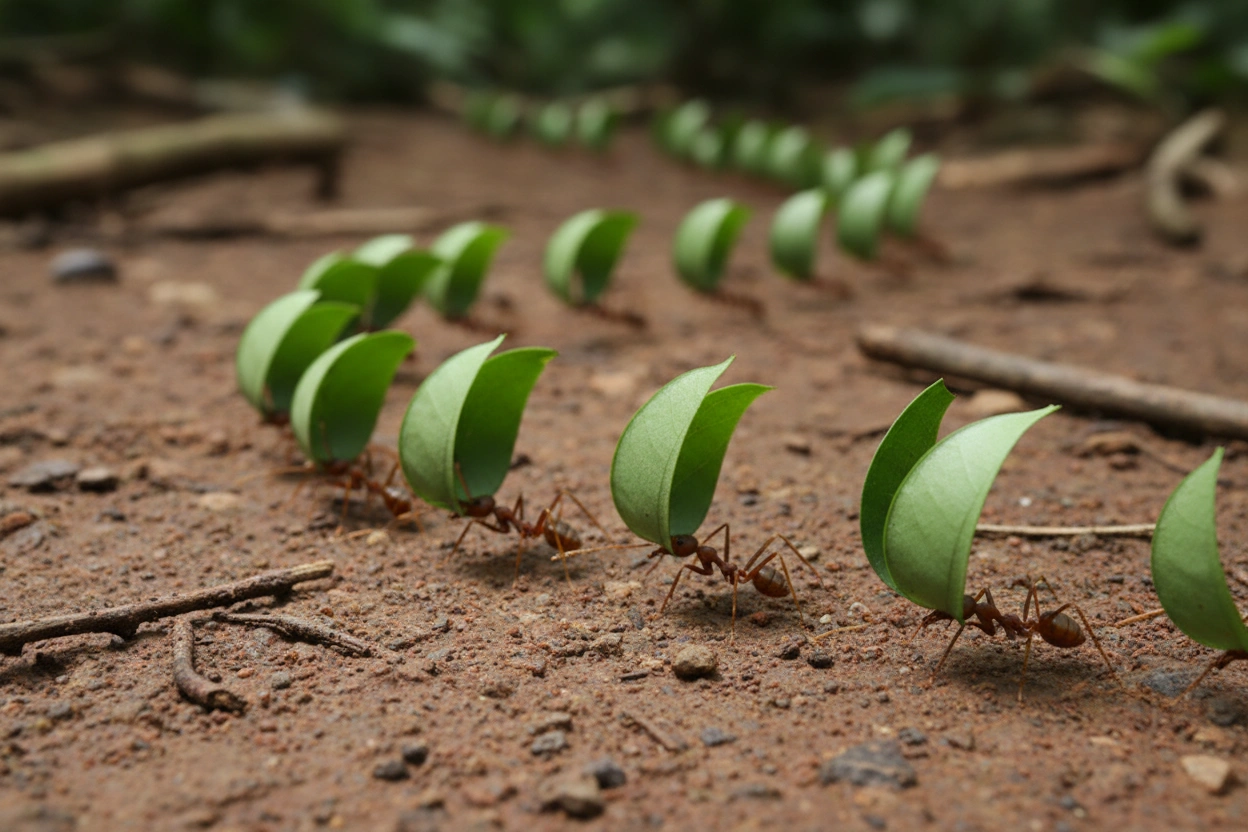
Leafcutter ants are extraordinary creatures that showcase an impressive example of mutualism in nature. These ants are known for their unique behavior of cutting leaves and transporting them back to their colonies. However, they do not consume the leaves directly. Instead, they use them to cultivate a fungus, which serves as their primary food source. This symbiotic relationship between the ants and the fungus is a fascinating aspect of their biology.
Leafcutter ants live in highly organized colonies, which can consist of millions of individuals. They have a complex social structure, with different castes responsible for various tasks, such as foraging, nursing, and defending the colony. Their ability to work collectively and efficiently demonstrates the power of cooperation in achieving common goals. This behavior not only highlights their intelligence but also their significant role in maintaining forest ecosystems by aiding in decomposition and nutrient cycling.

The Bombardier Beetle is renowned for its remarkable defense mechanism. When threatened, it can eject a hot, noxious chemical spray from its abdomen at a speed of up to 1 meter per second. This spray is a mixture of chemicals that react violently when combined, creating a boiling hot solution that can deter predators. This unique adaptation allows the Bombardier Beetle to escape from danger without relying on camouflage or fleeing.
The internal structure of the Bombardier Beetle is equally fascinating. It possesses specialized glands that store the precursors to its chemical defense, which are mixed in a reaction chamber just before being expelled. This intricate system showcases the evolutionary ingenuity of insects, allowing them to survive in a world filled with predators. The Bombardier Beetle’s ability to defend itself effectively makes it a standout example of insect behavior.
Praying mantises are known for their distinctive posture, where they fold their front legs in a prayer-like position. These insects are remarkable predators, employing a combination of stealth and speed to catch their prey. They have excellent vision, with large compound eyes that allow them to detect movement from various angles. This visual acuity is crucial for hunting, as mantises often ambush their victims.
One of the most intriguing behaviors of the Praying Mantis is sexual cannibalism, where females may consume males after mating. This behavior has sparked much debate among researchers regarding its evolutionary advantages. Some theories suggest that it provides nutritional benefits to the female, enhancing reproductive success. The Praying Mantis exemplifies the complexity of insect behavior and the various survival strategies that exist in nature.
Fireflies, or lightning bugs, are famous for their bioluminescent displays, which are most prominent during warm summer nights. These insects use light to attract mates and communicate with each other. The light is produced through a chemical reaction in their lower abdomen, involving luciferin, a light-emitting compound. Each species of firefly has its unique flash pattern, allowing them to identify potential mates.
Fireflies are not only fascinating for their glow; they also play important ecological roles as pollinators and as a food source for other animals. Their presence in an ecosystem can indicate a healthy environment, as they thrive in areas with clean water and abundant vegetation. The enchanting light show of fireflies is a captivating example of how insects can exhibit beauty and utility in nature.
Dragonflies are remarkable aerial predators, known for their agile flying abilities and striking appearance. With large multifaceted eyes and two pairs of wings that can move independently, dragonflies are capable of hovering, rapid acceleration, and even flying backward. These adaptations make them highly effective hunters, preying on other insects such as mosquitoes and flies.
In addition to their predatory skills, dragonflies undergo a fascinating metamorphosis. They start their life cycle as aquatic nymphs, living in ponds and streams for several years before emerging as adults. This transition from water to air reflects their adaptability and highlights the intricate life cycle of insects. Dragonflies are essential indicators of ecosystem health, as their presence signifies clean water and a balanced environment.
Honeybees are not just essential for honey production; they are vital pollinators that contribute significantly to global food production. These social insects live in colonies, which can consist of thousands of individuals, each with specific roles such as worker, drone, or queen. Honeybees communicate through a sophisticated system of pheromones and dances, allowing them to relay information about food sources to their fellow hive members.
The process of pollination performed by honeybees has immense ecological and agricultural importance. It is estimated that one-third of the food consumed by humans relies on pollinators like honeybees. However, their populations have been declining in recent years due to habitat loss, pesticide use, and disease. Understanding the behavior and importance of honeybees is crucial for fostering a sustainable environment and ensuring food security.
Stick insects are masters of camouflage, perfectly mimicking the appearance of twigs and branches to avoid detection by predators. This remarkable adaptation is a survival strategy that allows them to blend seamlessly into their surroundings. Stick insects can remain motionless for long periods, enhancing their disguise and increasing their chances of survival.
In addition to their impressive mimicry, some stick insect species can reproduce parthenogenetically, meaning females can produce offspring without mating. This reproductive strategy can be advantageous in environments where finding a mate is challenging. The unique adaptations and behaviors of stick insects showcase the incredible diversity and ingenuity of insect species.
The Hercules Beetle is one of the largest and strongest insects in the world, known for its impressive size and distinctive horn. Males use their horns in combat with other males during mating season, showcasing their strength and dominance. This behavior is not only a display of physical prowess but also plays a crucial role in reproductive success.
These beetles are not just remarkable for their size; they also have fascinating life cycles. They begin as larvae that feed on decaying wood, contributing to nutrient cycling in their ecosystems. The transformation from larva to adult is a testament to the incredible adaptability of insects. The Hercules Beetle serves as a striking example of the interplay between size, strength, and reproductive strategies in the insect world.
Cicadas are known for their distinctive songs, produced by males to attract females. These sounds are generated by specialized structures called tymbals, which can produce loud, resonating calls. Cicadas have one of the longest life cycles of any insect, with some species spending up to 17 years underground as nymphs before emerging to mate and reproduce.
The emergence of cicadas in large numbers can create a spectacular phenomenon, often referred to as a "cicada swarm." This behavior provides a survival advantage, as the sheer number of cicadas can overwhelm predators. The cicada's life cycle and its unique vocalizations highlight the complexity and diversity of insect behaviors. Understanding cicadas contributes to our appreciation of the intricate dynamics of ecosystems and the roles insects play within them.
Insects are not only fascinating creatures but also integral components of our ecosystems. From pollination to decomposition, they perform vital functions that sustain life on Earth. The ten insect species explored in this article exemplify the incredible diversity of behaviors and adaptations found within the insect world.
At Banana Slug Club, we are passionate about promoting awareness and appreciation of biodiversity, including the myriad of insect species that inhabit our planet. We encourage you to delve deeper into the world of insects and explore how you can contribute to their conservation.
If you would like to learn more about insects and their behaviors, feel free to reach out. Visit Banana Slug Club for resources and information on how you can get involved in supporting our planet's incredible biodiversity.
Get free resources, early access to new features and updates.
No spam. Just fun educational emails!


.svg)
.svg)