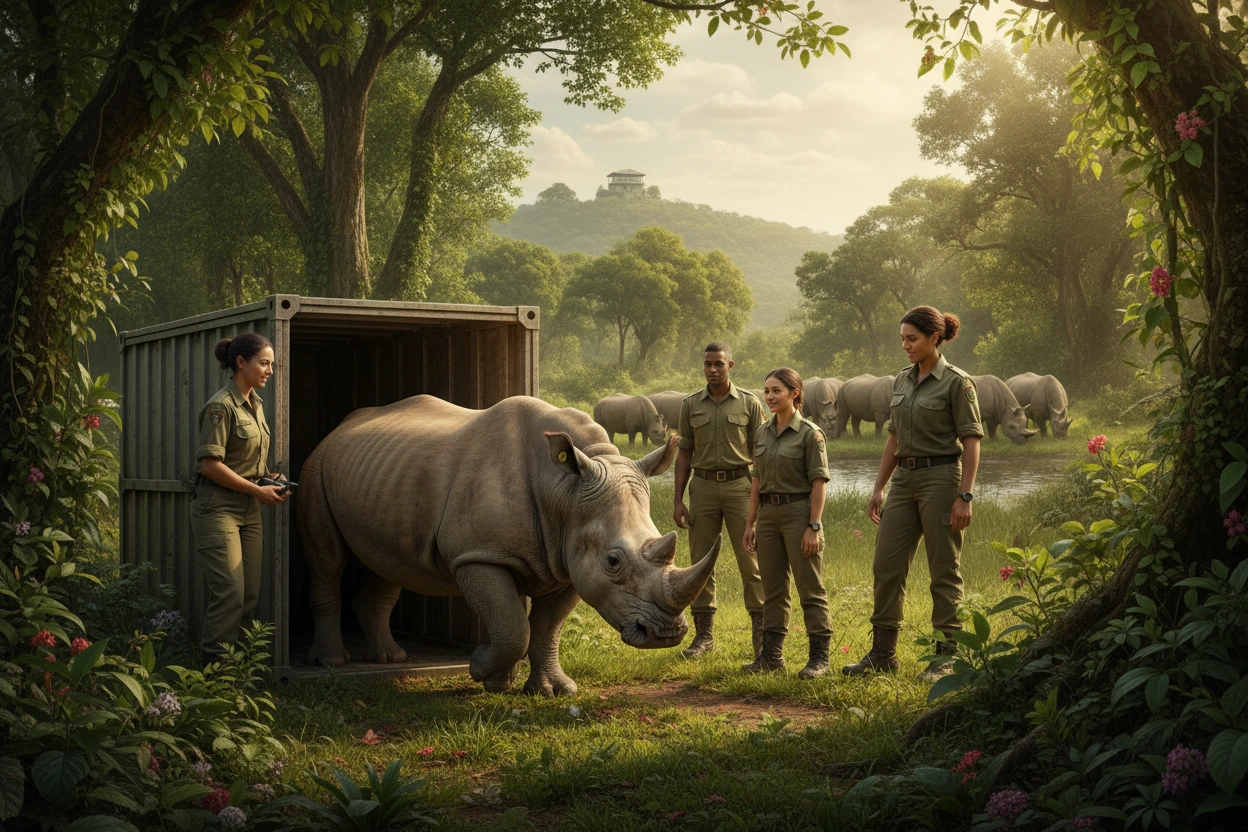
Amphibians are among the most diverse and vital groups of animals on our planet, playing essential roles in ecosystems as both predators and prey. However, they are facing unprecedented threats due to habitat loss, climate change, pollution, and disease. As of 2026, nearly one-third of amphibian species are considered endangered or threatened, making conservation efforts more critical than ever. This article will explore the top 10 endangered amphibians and the ways in which individuals can contribute to their survival.
Understanding the plight of these remarkable creatures is not just an ecological concern; it is a call to action for all of us. By learning about these amphibians and supporting conservation efforts, we can contribute to preserving our planet's biodiversity. Here are the ten endangered amphibians that need your attention.
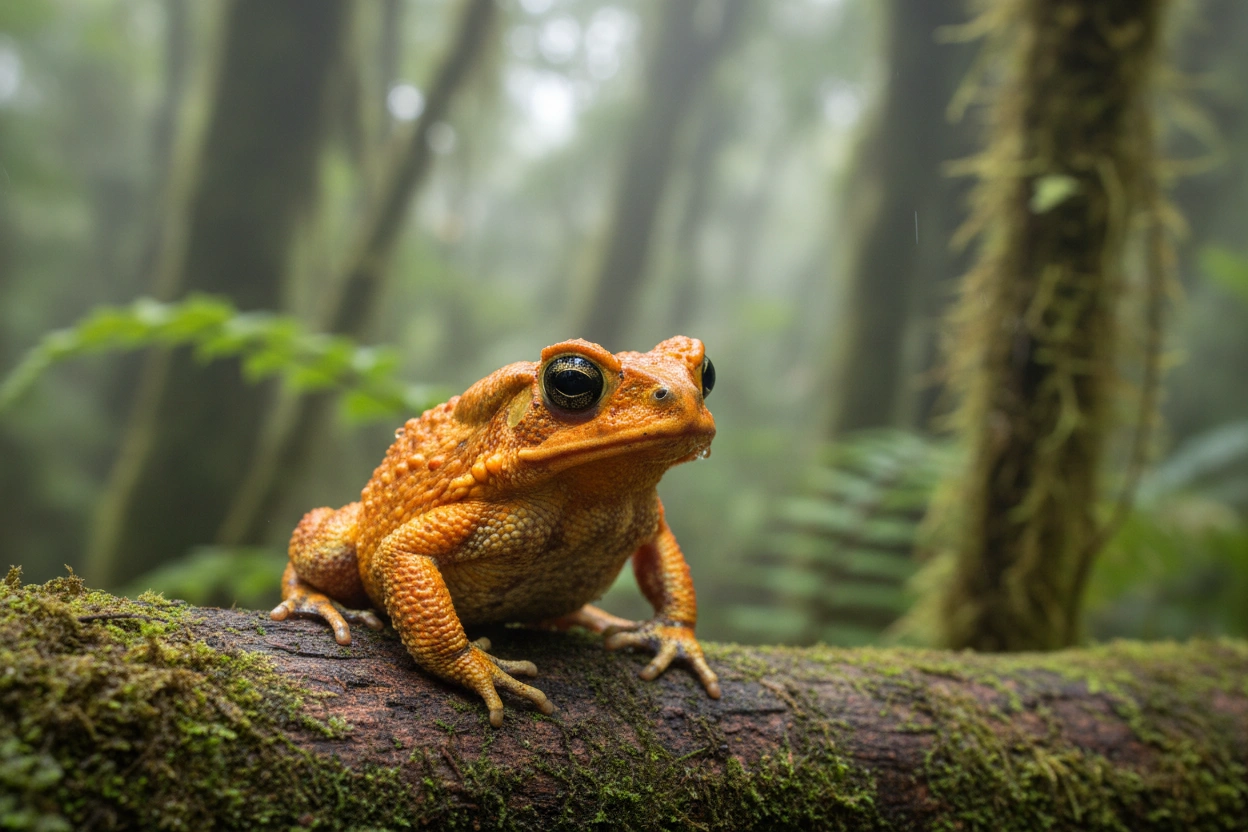
The Golden Toad, once abundant in the cloud forests of Costa Rica, has not been seen since 1989 and is presumed extinct. The primary threats to this amphibian include habitat destruction due to agricultural expansion and climate change, which has altered the delicate ecosystems it once thrived in.
Conservationists believe that the Golden Toad's disappearance is indicative of broader environmental changes affecting amphibians globally. To support efforts in finding potential surviving populations, individuals can participate in citizen science initiatives that monitor amphibian populations and report sightings.
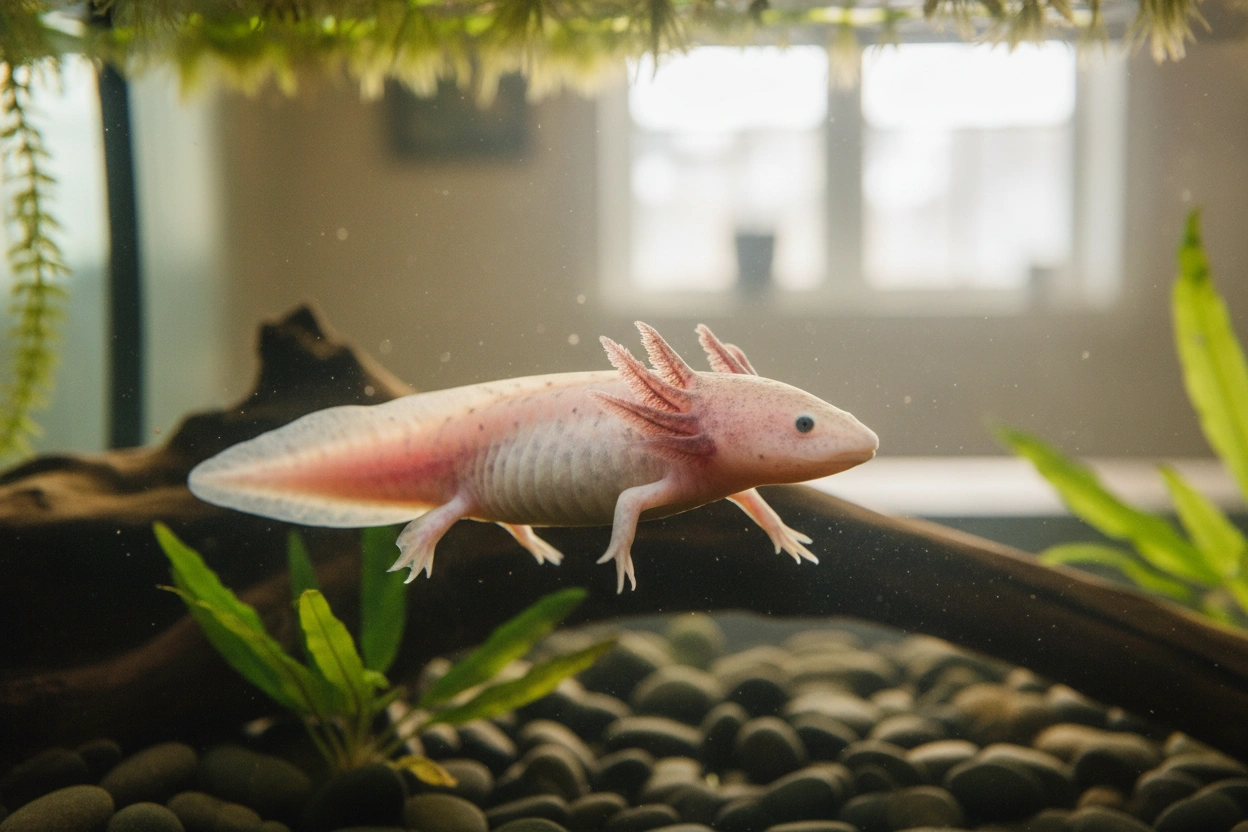
The Axolotl, native to the lakes of Mexico City, is a unique amphibian known for its ability to regenerate limbs. However, it is critically endangered due to habitat loss and pollution. The introduction of invasive species has also contributed to its decline.
To help protect the Axolotl, consider supporting organizations that focus on habitat restoration in its native region. Engaging in awareness campaigns about the importance of maintaining clean water sources can also have a significant impact on the survival of this species.

The Spotted Frog, found in parts of North America, is threatened by habitat degradation, primarily due to urban development and agriculture. This amphibian relies on wetland habitats, which are rapidly disappearing.
You can help the Spotted Frog by advocating for wetland conservation policies and participating in local clean-up efforts to maintain these critical habitats. Supporting local wildlife refuges can also aid in providing safe environments for these frogs to thrive.
While technically a reptile, the Eastern Box Turtle is often included in discussions about amphibians due to its similar habitat needs and ecological roles. This turtle faces threats from habitat loss, road mortality, and illegal collection.
To aid in the conservation of the Eastern Box Turtle, individuals can promote safe driving practices in areas where these turtles are known to cross roads. Additionally, supporting local conservation programs that focus on habitat preservation can have a lasting impact.
Similar to its relative, the Golden Toad, the Monteverde Golden Toad has faced a rapid decline due to climate change and habitat loss. This amphibian's specific habitat requirements make it particularly vulnerable to environmental changes.
Engaging in sustainable tourism practices in the Monteverde region can help preserve the habitats of these toads. Supporting eco-friendly businesses that prioritize conservation can also contribute to their survival.
Harlequin Frogs are known for their vibrant colors and patterns, but many species within this group are critically endangered. Factors such as habitat destruction, pollution, and the chytrid fungus have significantly reduced their populations.
To help Harlequin Frogs, consider donating to organizations that focus on amphibian disease research and habitat conservation. Participating in local amphibian monitoring programs can also aid in gathering essential data for conservationists.
The Surinam Toad is known for its unique reproductive method, where the female carries fertilized eggs on her back. This species is threatened by habitat destruction and pollution in its native South American rainforests.
Individuals can help protect the Surinam Toad by supporting reforestation projects and advocating for sustainable land-use practices. Engaging in environmental education initiatives can also raise awareness about the importance of preserving rainforests.
The Red-eyed Tree Frog is an iconic species known for its striking appearance and role in tropical ecosystems. However, it is experiencing population declines due to habitat loss and climate change.
To support the conservation of the Red-eyed Tree Frog, consider contributing to organizations that work to protect tropical rainforests. Participating in educational programs that highlight the importance of amphibians can also inspire others to take action.
Pygmy Toads are small, colorful amphibians found in Brazil's Atlantic Forest. These species are critically endangered due to habitat fragmentation and climate change.
Engaging in habitat restoration projects and supporting local conservation initiatives can help protect the Pygmy Toad's environment. Advocacy for stronger environmental protections in Brazil can also make a significant difference.
The Goliath Frog, the world's largest frog, is facing threats from habitat loss and hunting for the pet trade. Found in the rainforests of West Africa, this amphibian is integral to its ecosystem.
To aid in the conservation of the Goliath Frog, individuals can participate in awareness campaigns that discourage the illegal pet trade. Supporting conservation organizations that focus on protecting West African rainforests can also benefit this species.
Supporting conservation efforts is crucial for the survival of endangered amphibians. Here are ten impactful initiatives that individuals can get involved with:
Amphibian Conservation Alliance: This organization focuses on protecting amphibians through habitat conservation and education.
Save the Frogs: A global organization dedicated to amphibian conservation that provides resources for community involvement.
The Amphibian Fund: This fund supports various projects aimed at conserving amphibians and their habitats worldwide.
Nature Conservancy: An organization that works on habitat preservation and restoration projects critical for amphibian survival.
Conservation International: This global nonprofit works to protect nature and biodiversity, including amphibian habitats.
World Wildlife Fund (WWF): WWF engages in various conservation efforts, including protecting amphibian species and their environments.
Wildlife Conservation Society: This organization focuses on protecting wildlife and their habitats, including amphibians.
IUCN Amphibian Specialist Group: This group works on assessing the conservation status of amphibians and developing strategies for their protection.
Herpetological Conservation and Biology: This journal promotes research and education on amphibians and reptiles, fostering a better understanding of their conservation needs.
Local Wildlife Refuges: Supporting local wildlife refuges can directly benefit amphibian habitats and provide educational resources for the community.
Amphibians are vital indicators of environmental health, and their decline signals broader ecological issues that could impact entire ecosystems. By understanding the challenges they face and supporting targeted conservation efforts, individuals can play a crucial role in their survival. The Banana Slug Club is dedicated to educating the public about amphibians and promoting conservation strategies to protect these incredible creatures.
Through community engagement and educational initiatives, the Banana Slug Club empowers individuals to take action in their local areas. By working together, we can foster an environment where amphibians thrive and play their essential roles in our ecosystems.
If you are passionate about making a difference and want to learn more about how you can help amphibians, visit the Banana Slug Club. Together, we can ensure that future generations will continue to enjoy the beauty and diversity of amphibians.
Get free resources, early access to new features and updates.
No spam. Just fun educational emails!


.svg)
.svg)