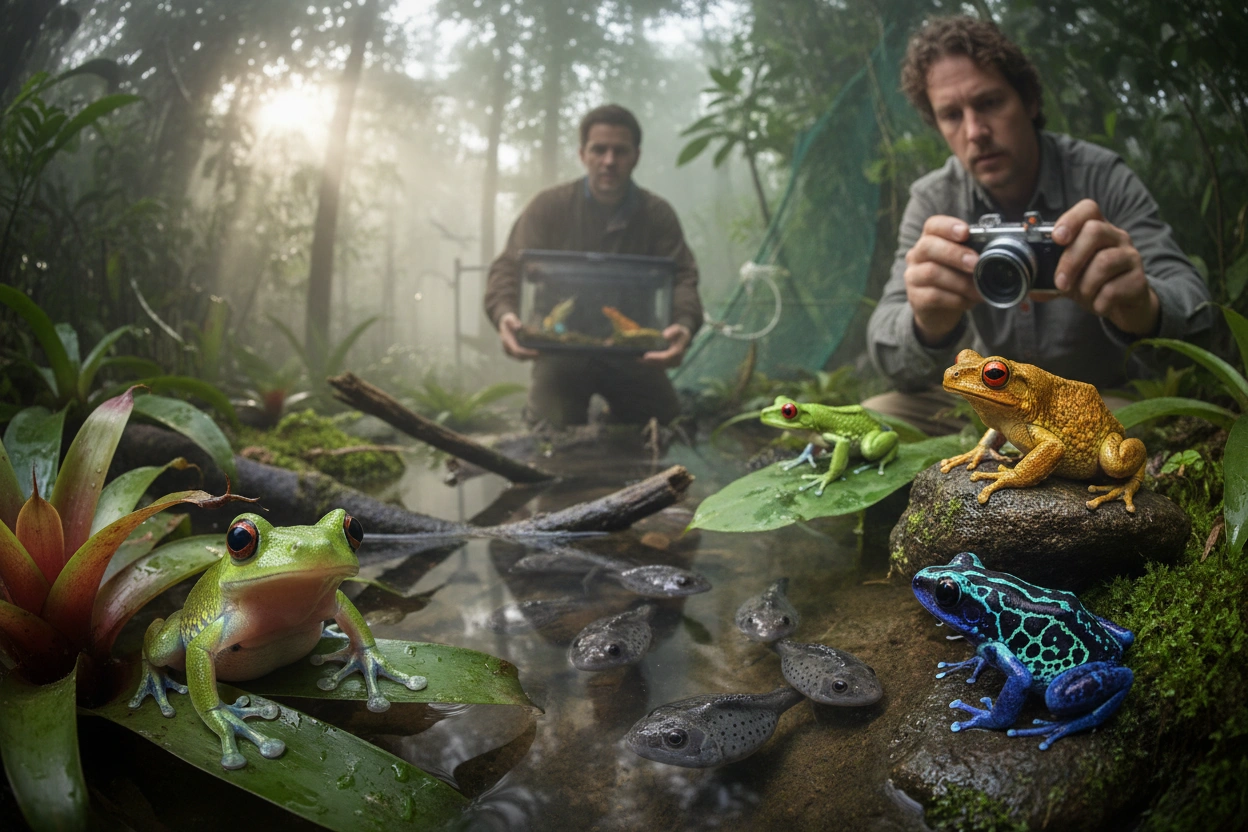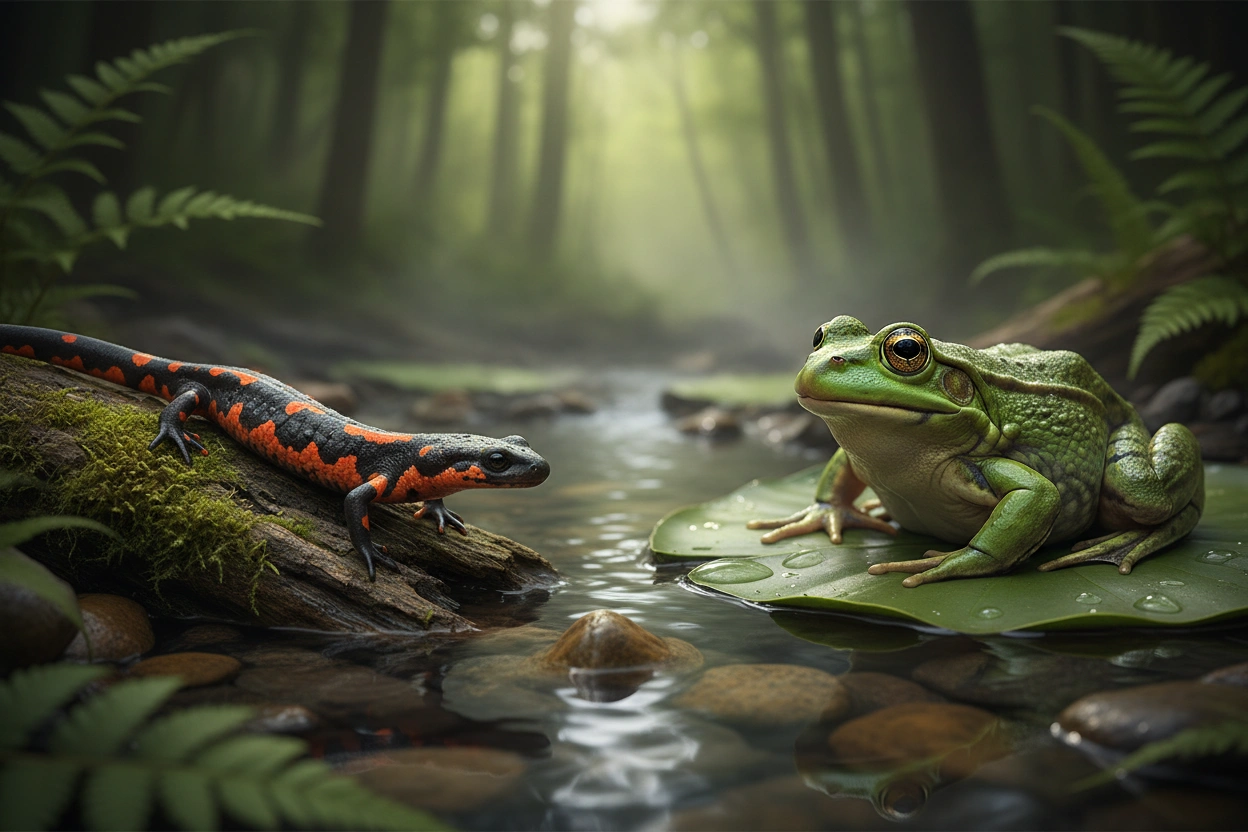
Salamanders vs. Frogs: Distinct Amphibian Types Compared

No items found.
Updated on:
February 8, 2026
Salamanders vs. Frogs: Key Differences in Amphibians
Updated on:
February 8, 2026

Salamanders vs. Frogs: Distinct Amphibian Types Compared

Amphibians, a diverse and fascinating class of vertebrates, have long captured the interest of scientists and nature enthusiasts alike. They play crucial roles in ecosystems, serving as indicators of environmental health and contributing to biodiversity. Among this class, frogs and salamanders stand out as two distinct yet interconnected groups. While they share common characteristics, their differences in anatomy, habitat, reproduction, and conservation needs are significant. Understanding these differences is not only intellectually stimulating but also vital for amphibian conservation efforts.

This article will delve into the unique traits of frogs and salamanders, exploring their habitats, behaviors, and the challenges they face in the modern world. We will also discuss how understanding these amphibians is essential for their conservation and the health of our ecosystems.
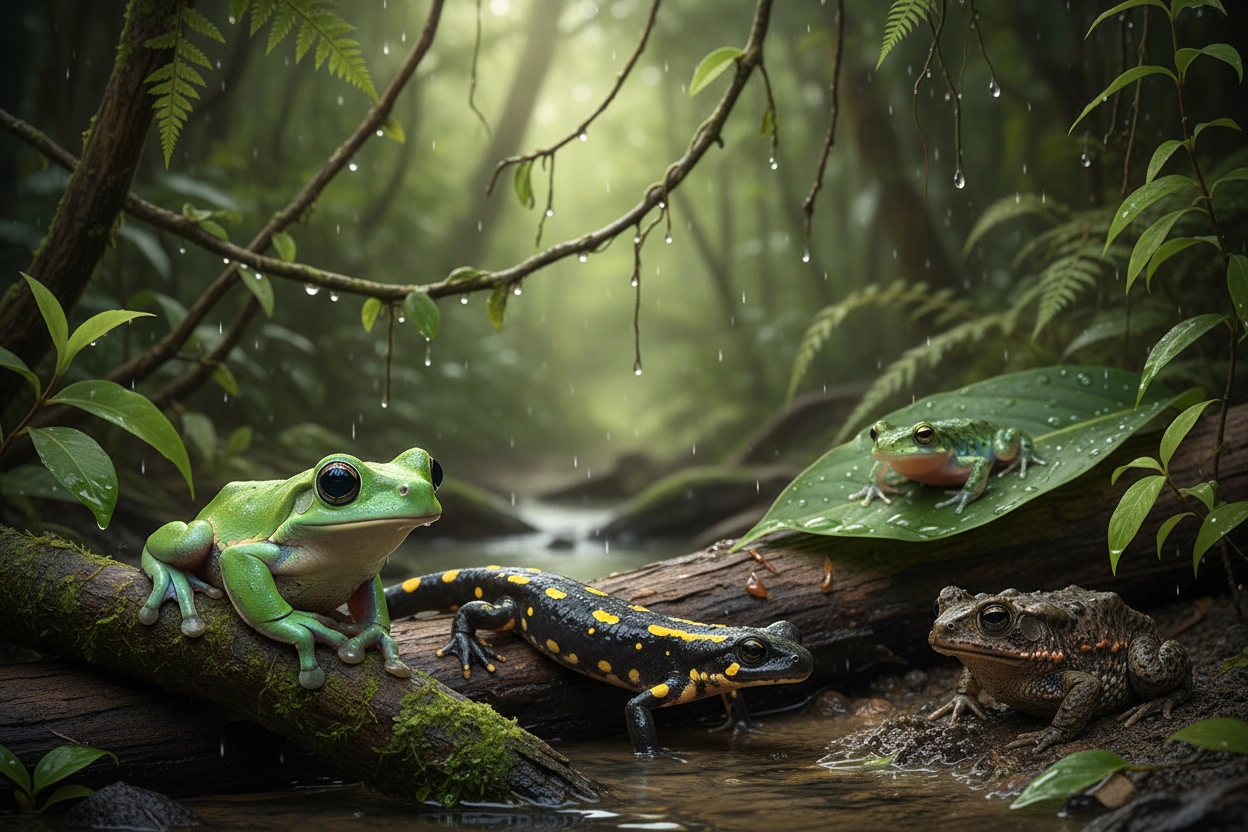
Understanding Amphibians

Professional image illustrating Understanding Amphibians

Amphibians are characterized by their life cycle, which typically includes an aquatic larval stage and a terrestrial adult stage. They are ectothermic, meaning they rely on external sources to regulate their body temperature. This group includes frogs, toads, salamanders, newts, and caecilians, each with its unique adaptations and ecological niches.

Key Characteristics of Amphibians

  1. Life Cycle: Amphibians undergo metamorphosis, transitioning from aquatic larvae with gills to air-breathing adults with lungs.
  2. Skin: They possess permeable skin that allows for gas exchange and absorption of water, making them sensitive to environmental changes.
  3. Reproduction: Most amphibians reproduce in water, laying eggs that hatch into larvae. Some species exhibit parental care.

Understanding these fundamental characteristics is crucial for recognizing the ecological importance of amphibians and the threats they face.
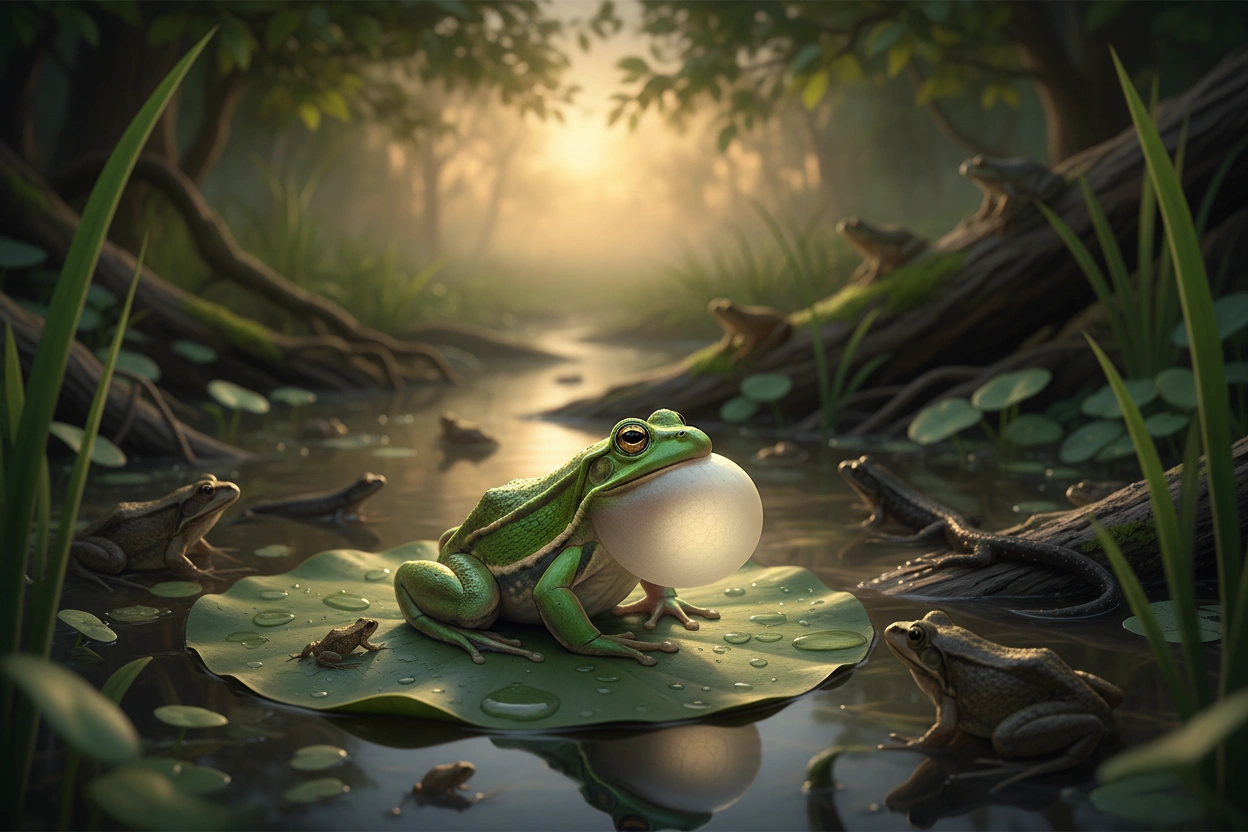
Frogs: The Vocal Amphibians

Professional image illustrating Frogs: The Vocal Amphibians

Frogs, belonging to the order Anura, are perhaps the most recognizable amphibians due to their distinctive croaks and jumps. They exhibit a wide range of colors and sizes, adapting to various habitats worldwide. colorful frogs.

Habitat and Distribution of Frogs

Frogs thrive in diverse environments, from tropical rainforests to temperate woodlands. Their habitats are characterized by:

  • Moisture Availability: Frogs require moist environments for breeding and skin hydration.
  • Aquatic Breeding Sites: Ponds, lakes, and streams are essential for their reproductive cycles, where they lay eggs.
  • Vegetation: Dense vegetation provides cover from predators and a hunting ground for insects.

Frogs are particularly sensitive to environmental changes, making them key indicators of ecosystem health. Their decline often signals habitat degradation or pollution.

Reproductive Strategies

Frogs exhibit various reproductive strategies, including:

  • External Fertilization: Most frogs lay eggs in water, where males fertilize them externally.
  • Parental Care: Some species exhibit unique behaviors, such as carrying eggs on their backs or in their mouths until they hatch.

These strategies reflect the adaptability of frogs to their environments and the importance of water bodies for their lifecycle.
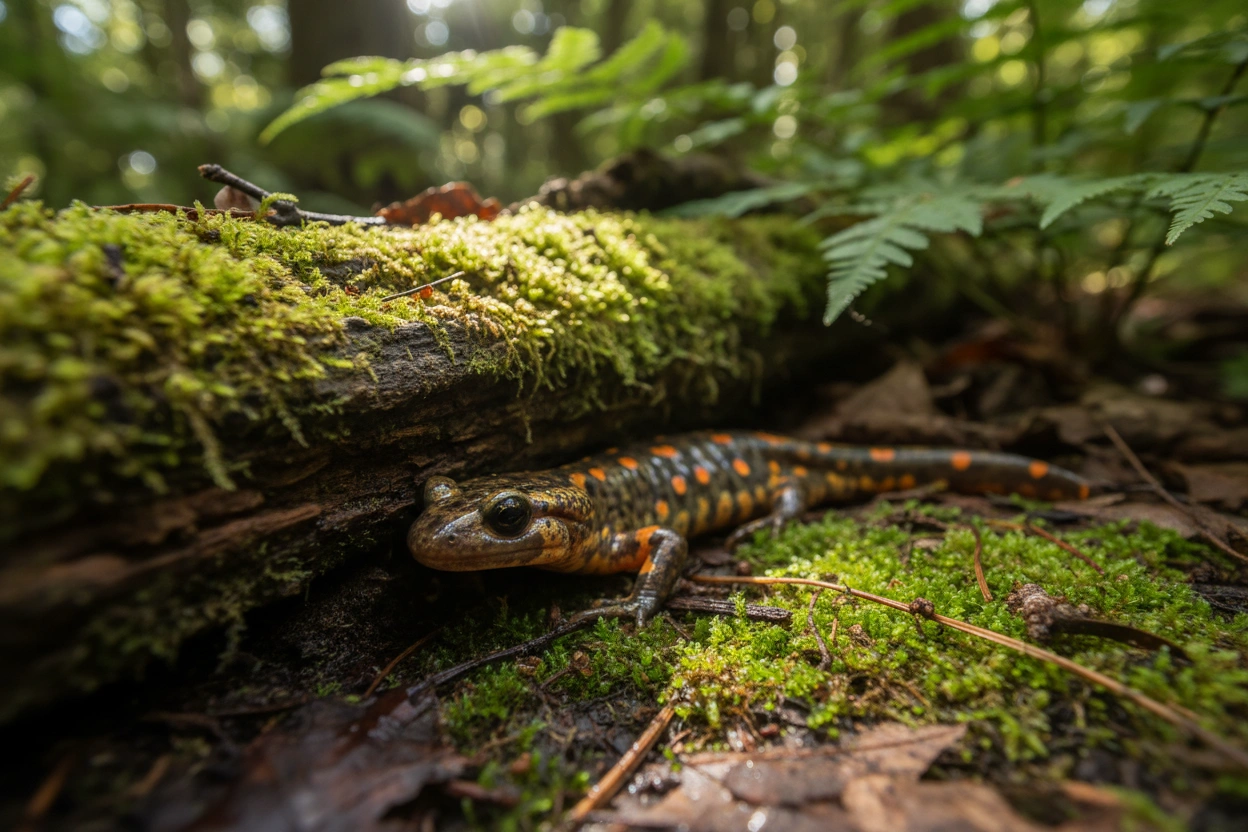
Salamanders: The Secretive Amphibians

Professional image illustrating Salamanders: The Secretive Amphibians

Salamanders, part of the order Caudata, are often less visible than frogs due to their more secretive nature. They are typically characterized by their elongated bodies, tails, and limbs.

Habitat and Distribution of Salamanders

Salamanders are predominantly found in moist, temperate regions, often in forests or near freshwater bodies. Their habitat requirements include:

  • High Humidity: Salamanders thrive in moist environments, as their skin is highly permeable and susceptible to desiccation.
  • Leaf Litter and Logs: They often inhabit the forest floor, hiding under leaves, logs, or rocks, which provide protection from predators and desiccation.
  • Freshwater: Many salamanders reproduce in aquatic environments, similar to frogs, but some species can also reproduce on land.

Salamanders are less affected by environmental changes than frogs, but they are still vulnerable to habitat destruction and pollution.

Unique Reproductive Traits

Salamanders exhibit fascinating reproductive strategies, such as:

  • Internal Fertilization: Many salamanders use internal fertilization, where males deposit spermatophores that females pick up.
  • Direct Development: Some species skip the larval stage entirely, giving birth to miniature versions of adults.

These adaptations allow salamanders to occupy a wide range of ecological niches and respond to varying environmental conditions. salamander habitat.

Comparing Frogs and Salamanders

While frogs and salamanders share the common classification of amphibians, their differences are pronounced. Here are some key distinctions:

Anatomy and Physiology

  • Body Structure: Frogs have a more robust body and longer hind limbs adapted for jumping, while salamanders have elongated bodies and tails suited for crawling.
  • Skin Texture: Frogs generally have smoother skin, while salamanders possess bumpy skin that helps with moisture retention.

Behavior and Ecology

  • Activity Levels: Frogs are often more active and vocal, especially during mating season, while salamanders tend to be more secretive and nocturnal.
  • Diet: Both groups are carnivorous as adults, primarily consuming insects, but their hunting methods differ due to their anatomical adaptations.

These distinctions highlight the evolutionary paths that frogs and salamanders have taken, adapting to their specific environments and lifestyles.

Amphibian Conservation: Challenges and Strategies

Amphibians face numerous threats globally, including habitat loss, climate change, pollution, and disease. Understanding these challenges is critical for effective conservation efforts.

Major Threats to Amphibians

  1. Habitat Destruction: Urbanization, agriculture, and deforestation lead to significant habitat loss, particularly in tropical regions.
  2. Climate Change: Altered weather patterns and temperatures affect breeding cycles and habitat availability for amphibians.
  3. Pollution: Pesticides, heavy metals, and other pollutants can have devastating effects on amphibian populations, leading to declines in health and reproductive success.

Conservation Strategies

To combat these challenges, various strategies can be employed:

  • Habitat Protection: Establishing protected areas and restoring degraded habitats can help preserve amphibian populations.
  • Legislation: Implementing laws to regulate pollution and protect endangered species is essential for conservation.
  • Public Awareness: Educating communities about the importance of amphibians and their role in ecosystems can foster support for conservation initiatives.

Engaging in amphibian conservation is not only crucial for the survival of these species but also for maintaining biodiversity and ecological balance.

Understanding Frog Habitats: Where Do Amphibians Thrive?

Frogs inhabit a range of environments, and understanding their preferred habitats is essential for their conservation. Here are key aspects of frog habitats:

Optimal Conditions for Frogs

  • Moisture: Frogs require moist conditions for skin respiration and reproduction. Wetlands, ponds, and marshes are ideal.
  • Vegetation: Dense plant life provides cover and hunting opportunities, allowing frogs to thrive in their environments.
  • Water Quality: Clean, unpolluted water is vital for breeding and development. Poor water quality can lead to high mortality rates in tadpoles.

Habitat Preservation

To ensure the survival of frogs, it is essential to focus on habitat preservation and restoration:

  1. Protecting Wetlands: Safeguarding existing wetlands and creating new ones can provide essential breeding grounds for frogs.
  2. Reducing Pollution: Implementing measures to reduce agricultural runoff and pollution in water bodies can improve water quality for amphibians.
  3. Community Involvement: Engaging local communities in conservation efforts can lead to greater awareness and support for habitat preservation.

By understanding where frogs thrive and the conditions they need, we can take meaningful steps toward their conservation.

The Intersection of Amphibians and Conservation Efforts

The preservation of amphibians, including frogs and salamanders, is vital for maintaining healthy ecosystems. Their presence indicates the overall health of the environment, and their decline can signal broader ecological issues.

The Role of Organizations in Amphibian Conservation

Organizations dedicated to amphibian conservation play a crucial role in research, education, and habitat restoration. Initiatives include:

  • Research Programs: Conducting studies to monitor amphibian populations and health helps inform conservation strategies.
  • Public Education: Raising awareness about the threats faced by amphibians can mobilize community support for conservation efforts.
  • Collaborative Efforts: Partnering with local governments, NGOs, and communities can enhance the effectiveness of conservation programs.

By supporting these initiatives, we contribute to the preservation of amphibians and the ecosystems they inhabit.

Embracing Amphibian Conservation with Banana Slug Club

Understanding the complexities of amphibians, particularly frogs and salamanders, is essential for their conservation. As we have explored, these remarkable creatures are not only vital to our ecosystems but also face significant challenges in the modern world. The work of organizations like Banana Slug Club is pivotal in promoting awareness and action for amphibian conservation efforts.

By engaging with the Banana Slug Club, you can learn more about amphibian conservation efforts and how you can contribute. Whether through volunteer opportunities, educational resources, or community initiatives, there are numerous ways to make a difference.

Visit Banana Slug Club to discover how you can get involved in supporting amphibian conservation and protecting these essential species for future generations. Together, we can ensure that frogs, salamanders, and all amphibians continue to thrive in our ecosystems.

Join the Banana Slug Club!

Get free resources, early access to new features and updates.
No spam. Just fun educational emails!