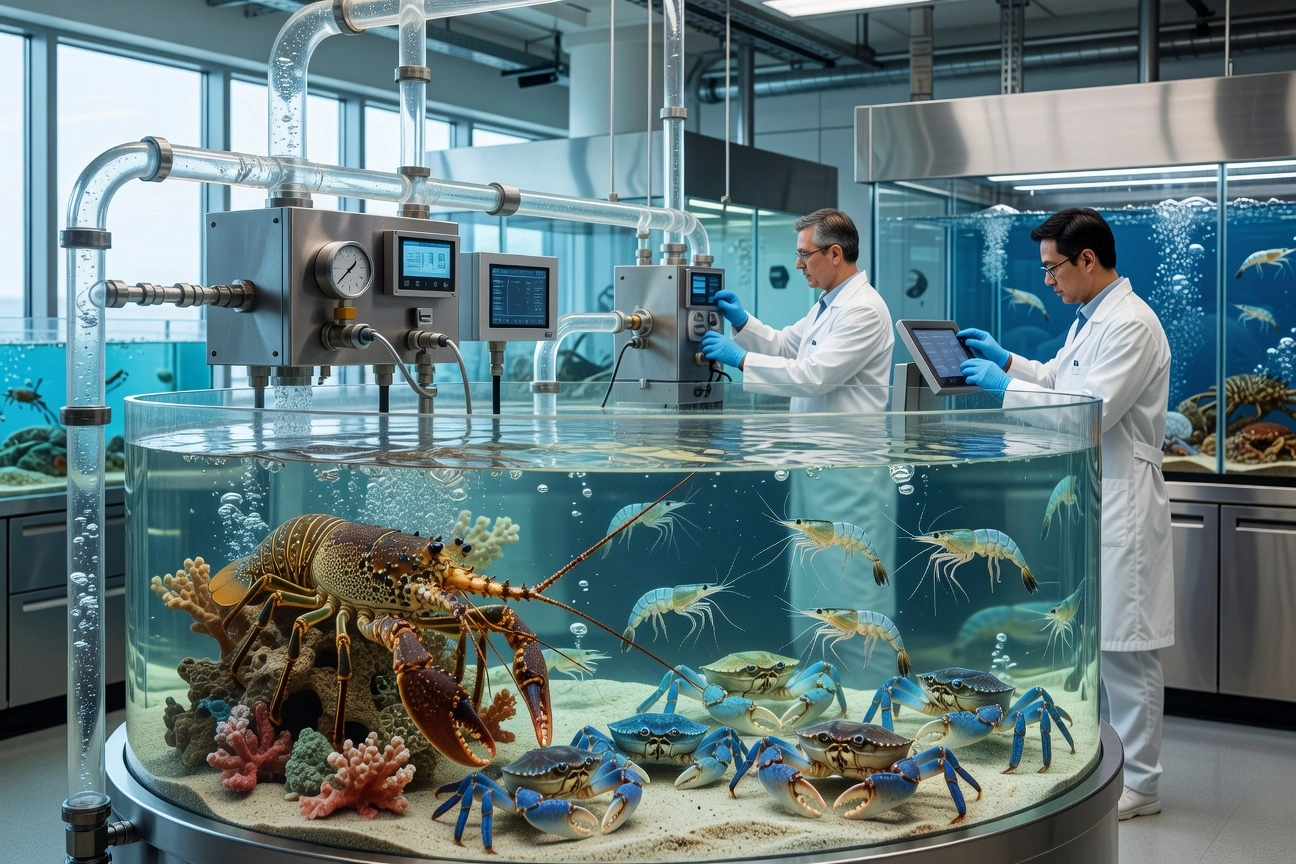
The integration of crustaceans into advanced marine systems has become an increasingly vital aspect of modern aquaculture and marine biology. As we seek to optimize ecosystems for both sustainability and productivity, understanding the role of crustaceans is essential. Crustaceans, which include species such as shrimp, crabs, and lobsters, are not only significant for their economic value but also for their ecological contributions to marine environments. This article will explore effective strategies for implementing crustaceans in advanced marine systems, address common mistakes, and provide actionable insights to ensure successful outcomes.

Crustaceans play a multifaceted role in marine ecosystems. They serve as both predators and prey, participating in complex food webs that support biodiversity. Their presence can significantly influence nutrient cycling, sediment turnover, and overall ecosystem health. To effectively implement crustaceans in advanced marine systems, one must first understand their biological and ecological characteristics.
Crustaceans contribute to the marine ecosystem in several ways:
Understanding these dynamics is critical for any strategy aimed at integrating crustaceans into marine systems.
When considering the implementation of crustaceans, it is essential to focus on species that are best suited for the specific marine environment. Some of the most commonly used crustaceans include:
Selecting the right species is fundamental to the success of any crustacean strategy in marine systems.
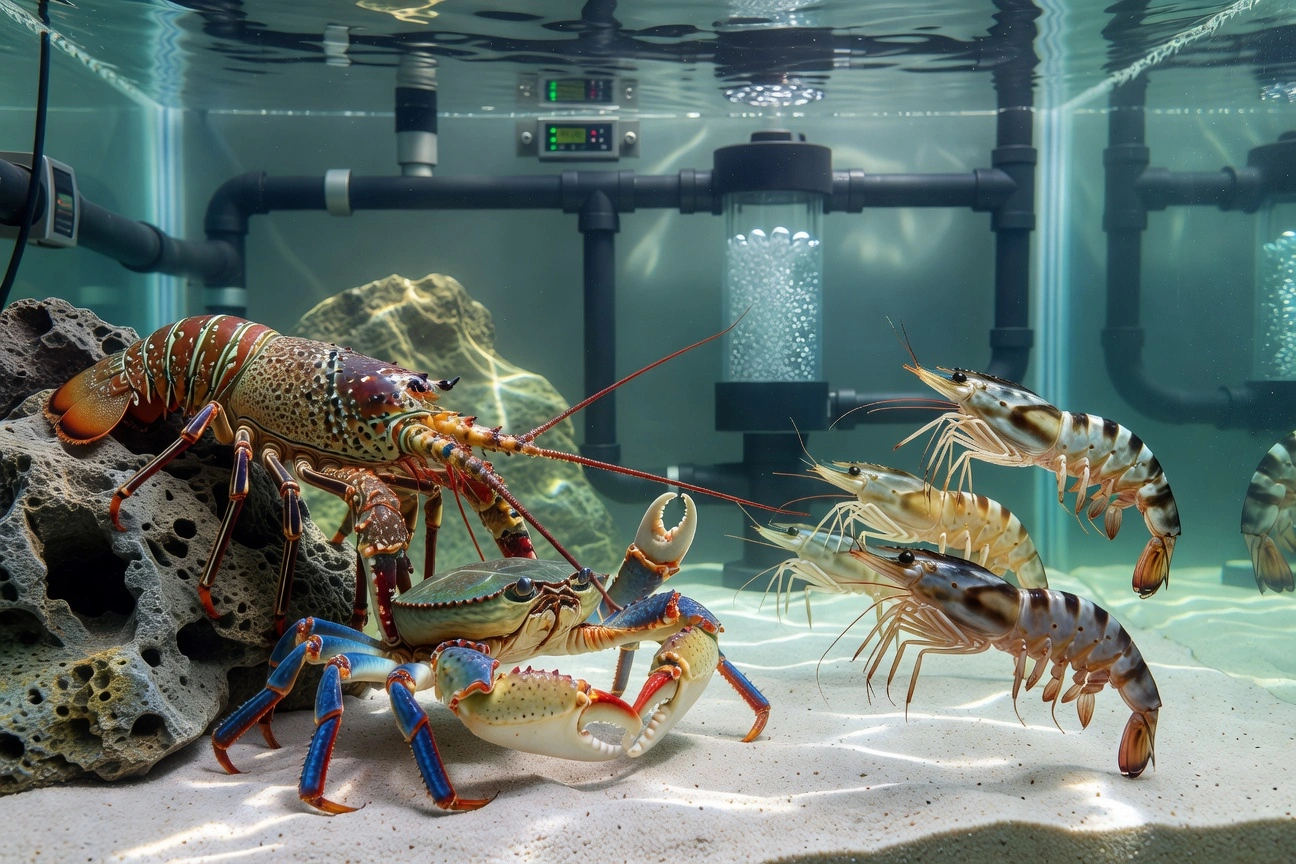
To effectively incorporate crustaceans into marine systems, one must follow a systematic approach. Here are the essential steps:
Conduct Environmental Assessments: Analyze the existing marine ecosystem to determine its suitability for crustacean cultivation. This includes assessing water quality, temperature, salinity, and habitat structure.
Select Appropriate Species: Based on the environmental assessment, choose crustacean species that will thrive in the specific conditions of the marine system. Consider factors such as growth rates, market demand, and ecological roles.
Develop a Management Plan: Create a comprehensive management plan that outlines feeding regimes, breeding protocols, and health monitoring practices to ensure the sustainability of crustacean populations.
Implement Monitoring Systems: Establish a robust monitoring framework to track the health and growth of crustaceans, as well as the overall condition of the marine environment. This can include regular water quality tests and population assessments.
Engage in Community Education: Educate local communities about the benefits and practices of crustacean cultivation. This fosters a sense of ownership and encourages sustainable practices among stakeholders.
By following these steps, stakeholders can effectively integrate crustaceans into advanced marine systems, leading to enhanced biodiversity and economic benefits.
Despite the potential benefits of integrating crustaceans into marine systems, several common mistakes can hinder success. Awareness of these pitfalls can significantly improve outcomes.
One of the most critical mistakes is failing to thoroughly assess environmental conditions before introducing crustaceans. Each species has specific requirements regarding water quality, temperature, and salinity. Ignoring these factors can lead to high mortality rates and poor growth.
Biosecurity is essential when implementing crustaceans in any marine system. Failing to establish biosecurity protocols can lead to the introduction of pathogens and diseases that can devastate crustacean populations and disrupt local ecosystems. Regular health checks and quarantining new stock are vital practices.
Another common mistake is adopting a one-size-fits-all approach to feeding. Different crustacean species have varying nutritional needs, and providing a balanced diet tailored to their specific requirements is crucial for optimal growth and health. fun animal facts Regularly reviewing and adjusting feeding strategies based on growth stages and environmental changes is necessary.
Finally, neglecting the social and economic implications of crustacean implementation can lead to conflicts with local communities. Engaging stakeholders in the planning process ensures that the benefits of crustacean integration are shared and that local knowledge is incorporated into management practices.
To maximize the benefits of crustacean implementation, consider adopting advanced strategies that leverage technology and innovation.
Integrating crustaceans into aquaponics systems, where fish and plants are cultivated together, can create a synergistic environment. The waste produced by fish serves as a nutrient source for plants, while crustaceans help in breaking down organic matter, enhancing water quality. This closed-loop system promotes sustainability and efficiency.
The use of IoT (Internet of Things) technologies for real-time monitoring can greatly enhance crustacean management. Sensors can track water quality parameters, growth rates, and feeding patterns, allowing for timely interventions and adjustments to management practices.
Maintaining genetic diversity within crustacean populations is essential for resilience to diseases and environmental changes. Implementing breeding programs that prioritize genetic variation can help ensure the long-term sustainability of crustacean stocks.
Integrating crustaceans into advanced marine systems offers significant opportunities for enhancing biodiversity and economic viability. Understanding the ecological roles of crustaceans and implementing effective management strategies are crucial for success. The Banana Slug Club is dedicated to supporting stakeholders in navigating these complexities, providing resources and insights for effective crustacean integration.
For those looking to delve deeper into the world of crustaceans and their role in marine systems, the Banana Slug Club can offer guidance and support. Whether you are a seasoned marine biologist or a community member interested in sustainable practices, we invite you to contact Banana Slug Club for more information on best practices and resources tailored to your needs.
Get free resources, early access to new features and updates.
No spam. Just fun educational emails!


.svg)
.svg)