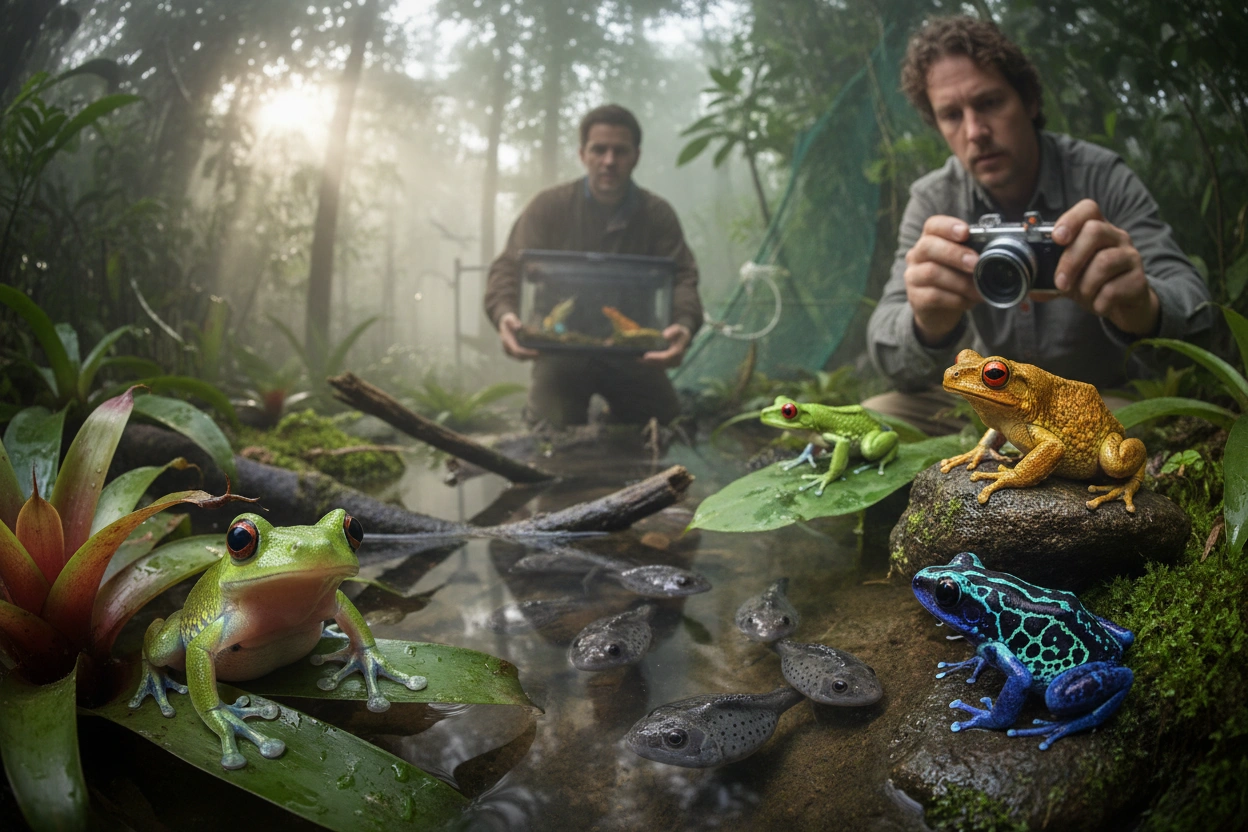
Creating a garden that welcomes amphibians can significantly contribute to local biodiversity and help mitigate the alarming decline of these vital creatures. Amphibians, including frogs, toads, and salamanders, play crucial roles in ecosystems as both predators and prey. By cultivating an amphibian-friendly garden, you can provide essential habitats that support their life cycles and promote ecological health. This article will explore practical steps to design such a garden and highlight the top conservation efforts dedicated to amphibian protection.

Amphibians are often considered indicators of environmental health due to their sensitivity to changes in habitat and climate. Their permeable skin makes them particularly vulnerable to pollution and habitat destruction, leading to declining populations worldwide. In the United States alone, nearly one-third of amphibian species are at risk of extinction. This alarming trend underscores the need for proactive conservation efforts, starting right in our backyards.
The decline of amphibians affects ecosystems significantly, as they help control insect populations and serve as food sources for various birds and mammals. By fostering an environment that supports these creatures, you contribute to ecological balance and biodiversity. Furthermore, creating an amphibian-friendly garden can also enhance your outdoor space, providing a serene environment filled with the sounds of croaking frogs and chirping toads.

Creating a garden that attracts amphibians requires careful planning and consideration of their unique needs. Here are essential components to include:
Amphibians require water for breeding and hydration. A small pond or water feature can be a vital component of your garden.
Planting native flora is crucial for attracting local amphibian species.
Amphibians need places to hide from predators and harsh weather.
Minimizing or eliminating chemical fertilizers and pesticides is essential for protecting amphibian health.
To ensure amphibians can navigate your garden safely, consider the following:

Amphibian conservation is a critical issue, and several organizations and initiatives work tirelessly to protect these species. Here are ten notable conservation efforts you can support:
Amphibian Ark: Focuses on the ex-situ conservation of threatened amphibians through captive breeding and reintroduction programs.
The IUCN Amphibian Specialist Group: A global network dedicated to the conservation of amphibians, conducting research and promoting awareness about their plight.
The Amphibian Conservation Program by the Wildlife Conservation Society: Works on habitat protection and restoration, as well as public education initiatives.
SAVE THE FROGS!: An organization that emphasizes the importance of amphibian conservation and engages in advocacy, education, and habitat protection.
The U.S. Fish and Wildlife Service: Implements the Endangered Species Act to protect amphibians and their habitats within the United States.
FrogWatch USA: A citizen science program that encourages individuals to monitor frog populations, contributing valuable data to conservation efforts.
The Amphibian Research and Monitoring Initiative (ARMI): A program of the U.S. Geological Survey that focuses on monitoring amphibian populations to understand trends and threats.
The Global Amphibian Assessment: A comprehensive evaluation of the conservation status of amphibian species worldwide, informing conservation strategies.
Local Conservation Groups: Many local organizations focus on habitat restoration and education about amphibians in specific regions.
Eco-Volunteer Programs: Engage with volunteer programs that focus on amphibian habitat restoration, providing hands-on opportunities to contribute to conservation efforts.
Supporting these initiatives can make a significant difference in amphibian conservation. Whether through financial contributions, volunteering, or simply spreading awareness, your efforts can help protect these essential creatures.
When creating an amphibian-friendly garden, it's important to avoid common pitfalls that can hinder your efforts.
Many gardeners make the mistake of planting a limited selection of plants, which can fail to attract a variety of amphibian species. To create a thriving habitat, ensure that you have a diverse range of plants, including those that provide food and shelter.
Failing to consider the specific needs of local amphibian species can lead to ineffective gardening practices. Research the amphibians native to your area and tailor your garden to meet their requirements.
Even an amphibian-friendly garden requires upkeep. Regularly check your water sources, remove invasive species, and maintain the health of your plants to ensure a welcoming environment for amphibians.
Designing an amphibian-friendly garden is not only a rewarding endeavor but also a vital contribution to local wildlife conservation. By providing essential habitats and supporting Banana Slug Club, you can help protect these remarkable creatures and promote biodiversity in your community.
As you embark on your journey to create an amphibian-friendly garden, consider joining forces with organizations like Banana Slug Club, which are dedicated to promoting ecological awareness and habitat preservation. By engaging with like-minded individuals, you can expand your knowledge and take meaningful steps towards protecting amphibians and their habitats.
For more information on how you can contribute to amphibian conservation or to learn more about creating a welcoming garden space, visit Banana Slug Club. Together, we can make a difference for amphibians and ensure a thriving ecosystem for generations to come.
Get free resources, early access to new features and updates.
No spam. Just fun educational emails!


.svg)
.svg)