How to Avoid Common Crustaceans Mistakes in Home Aquariums

No items found.
Updated on:
January 17, 2026
Avoid Common Crustaceans Mistakes in Your Aquarium
Updated on:
January 17, 2026

How to Avoid Common Crustaceans Mistakes in Home Aquariums

Maintaining a home aquarium can be a rewarding yet challenging endeavor, especially when it comes to keeping crustaceans. Crustaceans such as shrimp, crabs, and lobsters add vibrant colors and unique behaviors to aquariums, making them highly sought-after inhabitants for aquarists. However, many enthusiasts, particularly beginners, often make common mistakes that can lead to poor health or even death of these delicate creatures. In this article, we will delve into the best practices for maintaining crustaceans in home aquariums and provide actionable tips to help you avoid these pitfalls.

Understanding the needs of crustaceans is essential to creating a thriving environment. Their requirements can significantly differ from those of fish, and neglecting these specifics can result in detrimental outcomes. By following the guidelines outlined in this article, you can ensure that your crustaceans not only survive but thrive in your home aquarium.
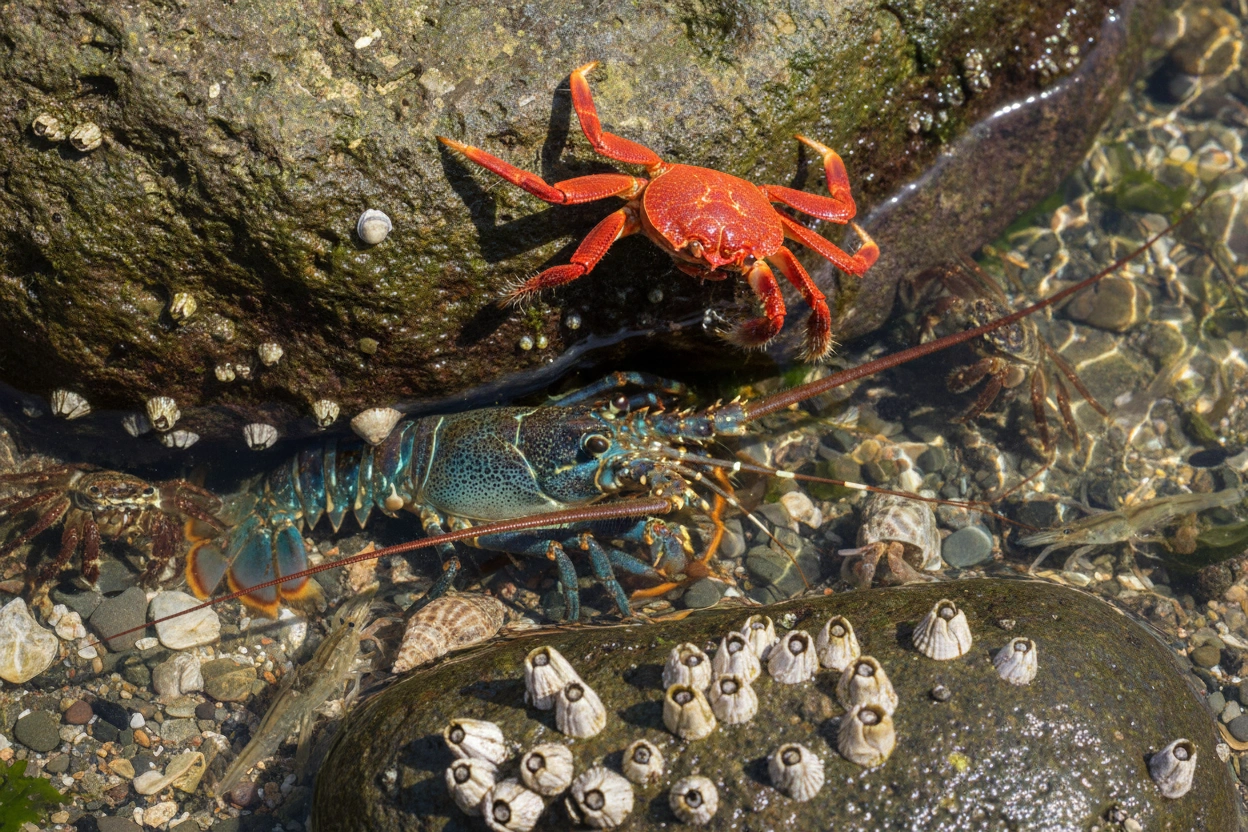
Understanding Crustaceans and Their Needs

Professional image illustrating Understanding Crustaceans and Their Needs

Crustaceans are a diverse group of aquatic animals that require specific conditions to flourish. They are known for their hard exoskeletons and segmented bodies, which make them distinct from fish. Here are some key considerations:

Types of Crustaceans Commonly Kept in Aquariums

  • Shrimp: Varieties like Cherry Shrimp and Amano Shrimp are popular for their hardiness and algae-eating capabilities.
  • Crabs: Fiddler Crabs and Red Claw Crabs are often chosen for their unique behaviors and adaptability.
  • Lobsters: While less common, species such as the Blue Lobster can be kept in larger tanks with ample space.

Each type of crustacean has its own environmental and dietary needs, which must be thoroughly understood to prevent mistakes.

Key Environmental Requirements

Crustaceans require specific water parameters to thrive, including:

  • Temperature: Most crustaceans prefer temperatures between 72°F and 78°F.
  • pH Levels: A pH range of 6.5 to 8.0 is generally suitable for many species.
  • Salinity: Some crustaceans, particularly those from brackish waters, require specific salinity levels.

Monitoring these conditions regularly is crucial, as fluctuations can stress or harm your crustaceans.
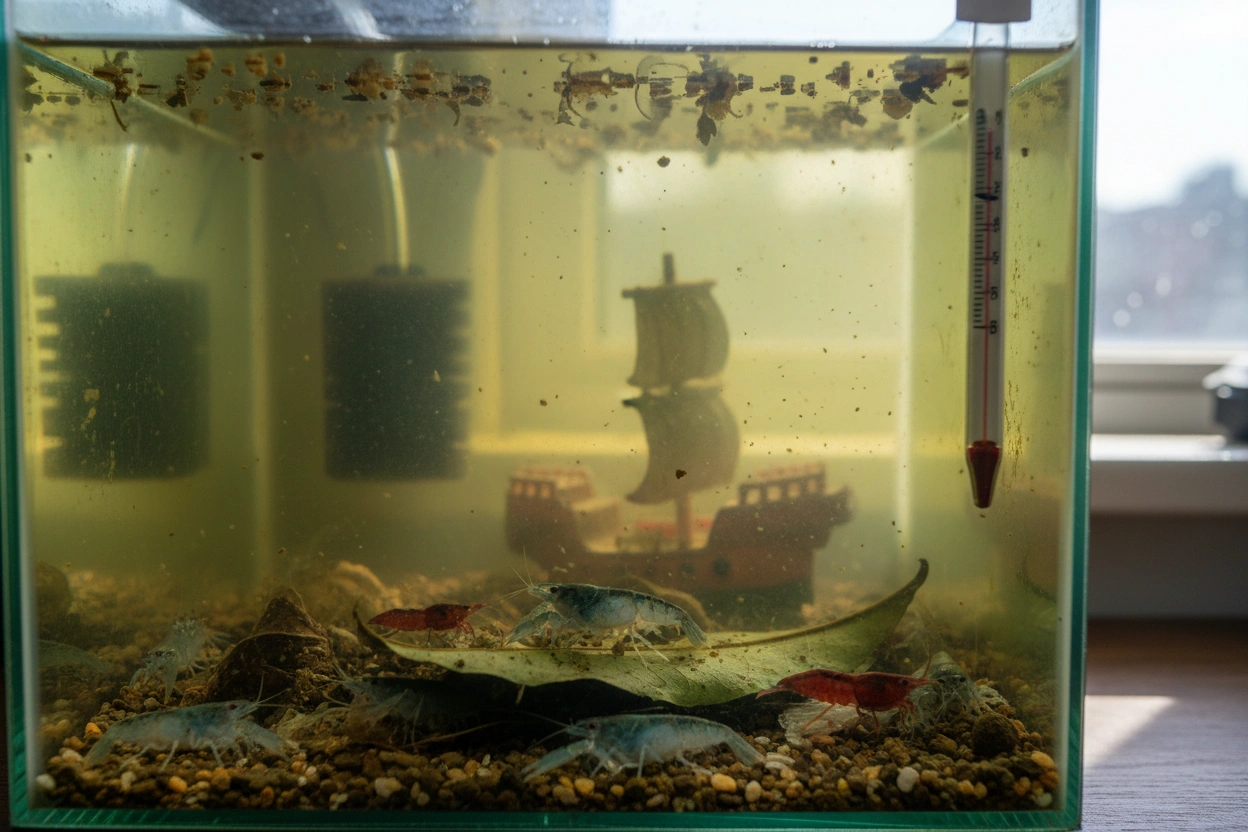
Common Mistakes to Avoid When Keeping Crustaceans

Professional image illustrating Common Mistakes to Avoid When Keeping Crustaceans

Understanding common mistakes can help you create a more suitable environment for your crustaceans. Here are several pitfalls to avoid:

Overcrowding the Aquarium

Crustaceans, like all aquatic animals, need space to thrive. Overcrowding can lead to stress and increased competition for resources. To prevent this mistake:

  1. Determine the appropriate tank size for your chosen species.
  2. Follow the recommended stocking levels, which usually suggest one inch of crustacean per gallon of water.
  3. Monitor behavior for signs of aggression or stress, which may indicate that the tank is overpopulated.

Ignoring Water Quality

Water quality is paramount in any aquarium, especially for crustaceans. Poor water quality can lead to a variety of health issues. Here’s how to maintain optimal conditions:

  • Regularly test water parameters, including ammonia, nitrite, nitrate, and pH levels.
  • Perform routine water changes of 10-20% weekly to dilute toxins and replenish minerals.
  • Use a high-quality filtration system that is suitable for the size of your tank and the bioload of your crustaceans.

Neglecting Diet and Nutrition

Crustaceans have specific dietary requirements that must be met to ensure their health. A common mistake is providing inadequate or inappropriate food. Here are some tips to ensure proper nutrition:
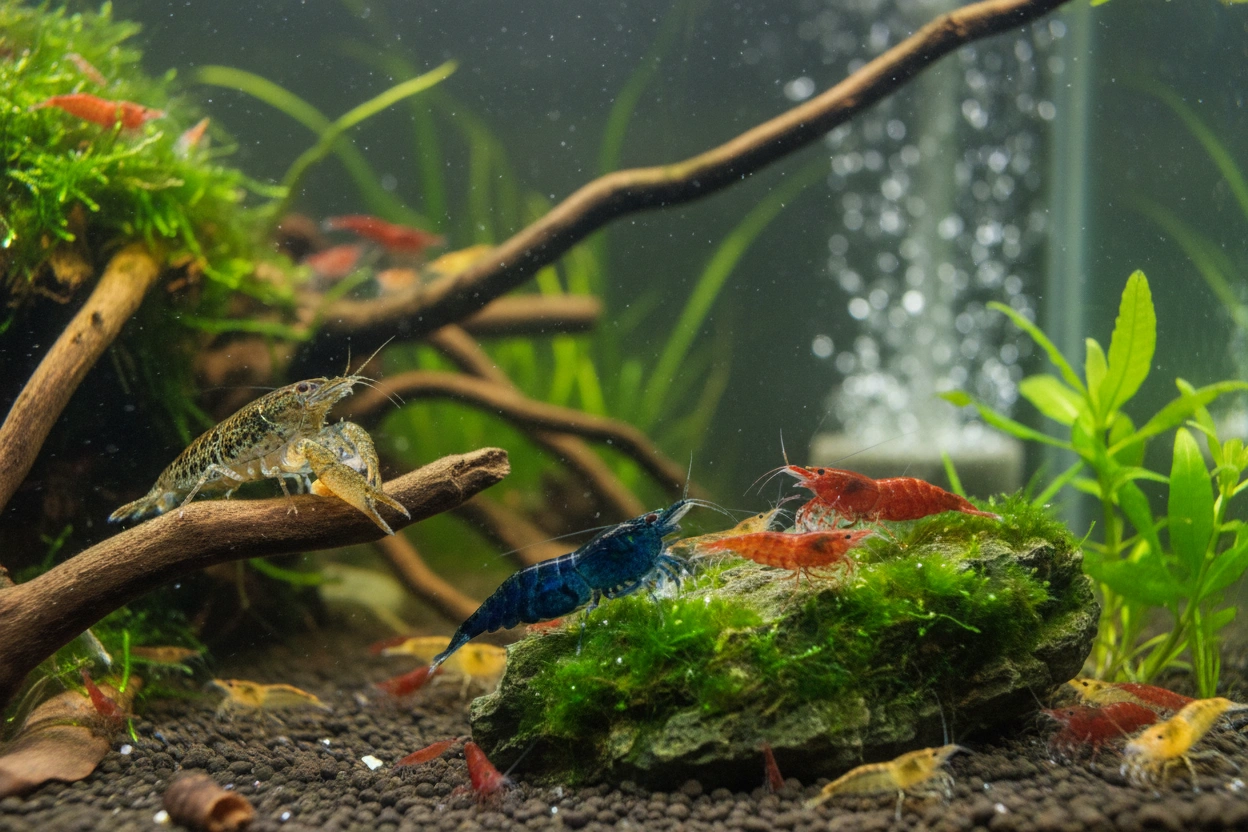
  • Offer a varied diet that includes high-quality pellets, algae wafers, and fresh vegetables.
  • Research the specific dietary needs of your crustacean species, as some may require additional supplements such as calcium for shell health.
  • Avoid overfeeding, as uneaten food can decay and pollute the water.

Crustaceans Best Practices for a Thriving Aquarium

Professional image illustrating Crustaceans Best Practices for a Thriving Aquarium

Implementing best practices can make a significant difference in the health and longevity of your crustaceans. Here are effective strategies to enhance their living conditions:

Creating a Suitable Habitat

The environment you create is crucial for the well-being of your crustaceans. Here are some habitat considerations:

  • Substrate: Use a substrate that allows for burrowing, such as sand or fine gravel, which is essential for species like shrimp and crabs.
  • Hiding Spots: Provide ample hiding places using rocks, driftwood, and aquatic plants. This helps reduce stress and allows crustaceans to feel secure.
  • Water Flow: Adjust the water flow to suit your crustaceans; some species prefer calm waters, while others thrive in more turbulent conditions.

Regular Maintenance and Monitoring

Routine maintenance is key to sustaining a healthy aquarium. Follow these steps:

  1. Schedule regular water testing to keep an eye on parameters.
  2. Clean the aquarium without disturbing the ecosystem; avoid removing too much substrate or live plants.
  3. Keep an eye out for any signs of disease or distress in your crustaceans, such as discoloration or lethargy.

Educating Yourself on Crustacean Care

Continued education is vital for any aquarist. Stay informed about the latest research and practices regarding crustacean care by:

  • Joining online forums or local aquarium clubs where you can share experiences and gain insights.
  • Reading books and articles focused on crustaceans to deepen your understanding of their biology and needs.
  • Attending workshops or seminars on aquarium maintenance and crustacean care.

Conclusion: Nurturing Crustaceans for a Flourishing Aquarium

Successfully keeping crustaceans in home aquariums requires a commitment to understanding their unique needs and avoiding common mistakes. By following best practices, maintaining water quality, and providing a suitable habitat, you can create an environment where your crustaceans thrive.

At Banana Slug Club, we are dedicated to supporting aquarists in their journey to create the perfect habitat for their aquatic friends. If you’re looking for more insights on crustaceans or need assistance with aquarium maintenance, don't hesitate to reach out.

Contact Banana Slug Club today to learn more about how we can help you create a flourishing aquarium environment for your crustaceans.

Join the Banana Slug Club!

Get free resources, early access to new features and updates.
No spam. Just fun educational emails!