Birds of prey, also known as raptors, captivate birdwatchers and nature enthusiasts alike with their impressive hunting skills, stunning plumage, and majestic flight patterns. These birds, which include eagles, hawks, falcons, and owls, play a crucial role in maintaining ecological balance. However, responsible observation of these magnificent creatures is essential to ensure their protection and conservation. This guide provides a comprehensive overview of how to observe birds of prey responsibly while understanding their behavior and habitats.

Understanding the behavior of birds of prey is fundamental for any birdwatcher. Raptors exhibit unique hunting techniques, social structures, and nesting behaviors that vary among species. This knowledge not only enhances the birdwatching experience but also fosters respect for these creatures and their habitats.
Birds of prey are known for their varied hunting strategies, which are adapted to their specific environments and prey types. Here are some common techniques:
Soaring: Many raptors, such as eagles and vultures, utilize thermal updrafts to soar high above the ground, scanning for prey below. This energy-efficient method allows them to cover large areas with minimal effort.
Pursuit: Falcons are renowned for their speed and agility. They often pursue their prey in aerial chases, using sharp eyesight to spot movements from great distances. the peregrine falcon, for instance, is famous for its high-speed dives, reaching speeds over 200 mph.
Perching: Hawks and owls frequently perch silently on elevated branches or poles, waiting for the perfect moment to strike. This ambush strategy is particularly effective in wooded areas or open fields.
Raptors display various social behaviors, from solitary hunting to forming monogamous pairs. Understanding these behaviors can enhance your observation experience:
Territoriality: Many raptors are territorial, especially during breeding season. They will defend their nesting areas vigorously against intruders, making them easier to spot during this time.
Courtship Displays: During mating seasons, raptors engage in elaborate courtship displays, including aerial acrobatics and vocalizations. Observing these displays can provide insight into their social interactions.
Nesting Habits: Raptors often return to the same nesting sites year after year. Familiarizing yourself with their nesting habits can help locate their nests and provide opportunities for responsible observation.

Engaging in birdwatching tours can be an excellent way to observe birds of prey while minimizing your impact on their environment. Here are some essential tips for participating in these tours:
When selecting a birdwatching tour, consider the following factors:
Reputation and Expertise: Look for tours led by knowledgeable guides who prioritize ethical birdwatching practices. Experienced guides can offer insights into the behavior of birds of prey while ensuring minimal disturbance to their habitats.
Group Size: Smaller tour groups tend to be more respectful of wildlife. Larger groups can create noise and disturbance, which can scare birds away.
Focus on Conservation: Opt for tours that emphasize conservation and education. These tours often support local conservation efforts and promote awareness about the importance of protecting raptors.
To enhance your birdwatching experience, equip yourself with the right gear:
Binoculars: A good pair of binoculars is essential for observing birds of prey from a distance without disturbing them. Look for binoculars with at least 8x magnification for optimal viewing.
Field Guides: Carry a field guide specific to your region that includes information about raptor species. This can help you identify birds and understand their behaviors, including pictures of toucans.
Notebook and Camera: Documenting your observations can enhance your experience. A notebook allows you to jot down notes on behaviors and sightings, while a camera enables you to capture memories without getting too close.
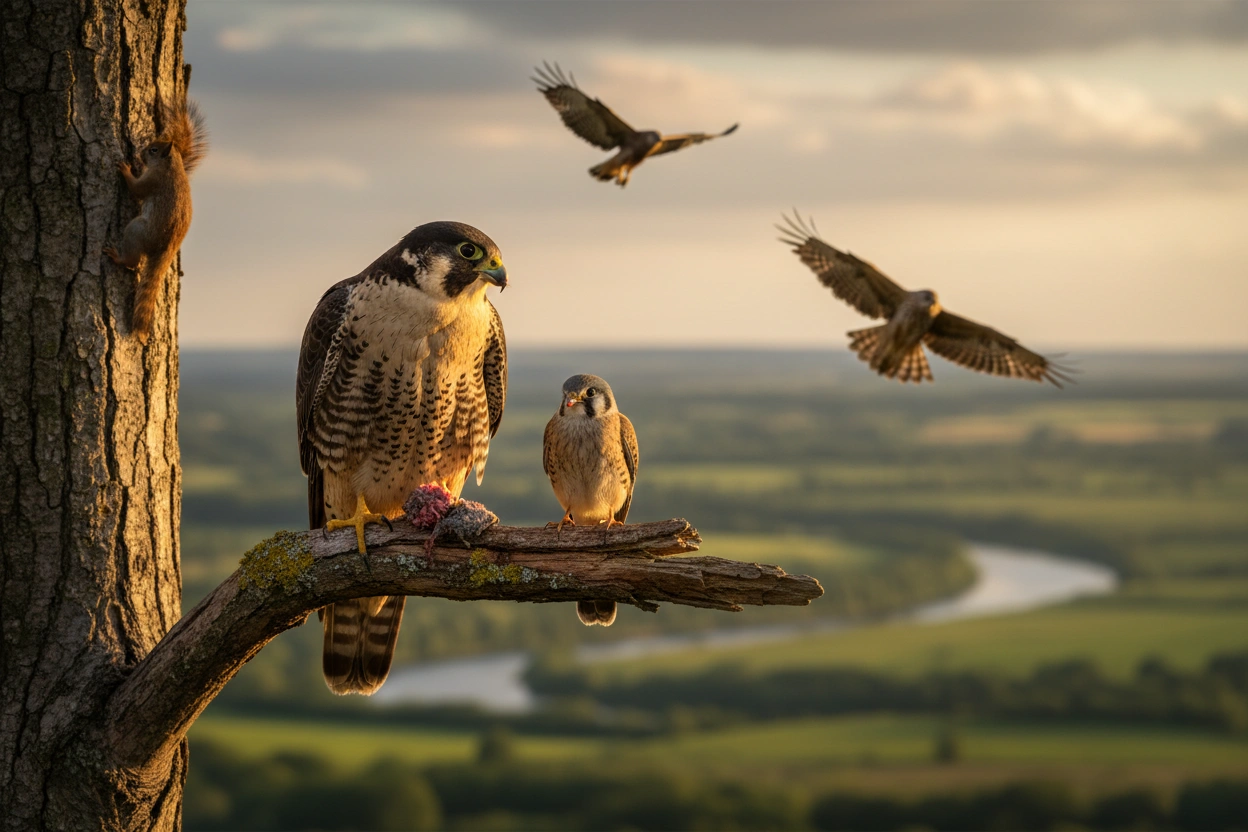
While many people admire birds of prey, several misconceptions can lead to misunderstandings about their behavior and conservation needs. Addressing these misconceptions is crucial for responsible observation.
Many people assume that all raptors pose a threat to humans or pets. In reality, most birds of prey are not aggressive towards humans and prefer to avoid confrontation. Understanding their natural behavior can help alleviate fears and promote coexistence.
Feeding raptors can disrupt their natural hunting instincts and alter their behavior. It is important to allow them to hunt and forage naturally to maintain their ecological role. Instead, support local conservation efforts that protect their habitats.
While many raptors are indeed solitary, some species, like the American kestrel, may form small groups, especially in winter. Understanding these social dynamics can enhance your observation experience and deepen your appreciation for their complexities.
Responsible birdwatching is essential for ensuring the well-being of birds of prey and their habitats. Here are key strategies to observe these magnificent birds without causing harm:
Keeping a respectful distance is crucial when observing birds of prey. Approaching too closely can stress the birds, disrupt nesting, or cause them to flee. Use binoculars or a camera with a zoom lens to enjoy close-up views without intruding on their space.
Nesting season is a critical time for birds of prey. Disturbing nests can lead to abandonment or decreased reproductive success. Familiarize yourself with local regulations regarding nesting sites and avoid approaching these areas.
Adhering to established birdwatching ethics helps protect raptors and their habitats. Here are some guidelines to follow:
Conservation efforts play a vital role in ensuring the survival of birds of prey. By participating in or supporting these efforts, birdwatchers can contribute to the protection of these magnificent creatures.
Preserving natural habitats is essential for raptors to thrive. Many organizations work to protect critical nesting and foraging areas. Supporting local conservation initiatives can help safeguard these habitats.
Raising awareness about the importance of birds of prey and their ecological roles is crucial. Engaging in community education programs or participating in workshops can help spread knowledge and encourage responsible birdwatching practices.
Becoming an advocate for raptor conservation can make a significant impact. Contacting local representatives to support conservation policies or participating in campaigns can help protect these birds and their habitats.
Joining a community of birdwatchers can enhance your experience and foster a deeper appreciation for birds of prey. Here are some benefits of being part of a birdwatching community:
Shared Knowledge: Connecting with other birdwatchers allows you to share experiences, tips, and insights about observing birds of prey.
Organized Events: Many birdwatching communities organize events, such as group outings or lectures, that can enrich your understanding of raptors.
Conservation Opportunities: Being part of a community often provides opportunities to engage in conservation efforts, ensuring that birds of prey are protected for future generations.
As you engage with birds of prey, consider these best practices to enhance your experience while ensuring their protection:
Practice Patience: Observing birds of prey often requires patience. Take your time to observe their behaviors and interactions without rushing.
Stay Informed: Keep up with the latest research and trends in raptor conservation. Understanding current challenges can inform your birdwatching practices and advocacy efforts.
Respect Local Regulations: Always adhere to local guidelines and regulations regarding wildlife observation. These rules are in place to protect both the birds and their habitats.
Understanding and observing birds of prey responsibly is not only a rewarding experience but also a critical aspect of wildlife conservation. By applying the insights gained from this guide, birdwatchers can contribute to the protection of these majestic creatures and their habitats. The Banana Slug Club is dedicated to fostering a community that appreciates nature and advocates for wildlife conservation.
Engaging with the Banana Slug Club allows you to deepen your understanding of birds of prey while supporting conservation efforts. Whether you are a seasoned birdwatcher or a novice, the club offers resources, events, and community engagement opportunities to enhance your experience.
Visit Banana Slug Club to learn more about responsible birdwatching practices and how you can contribute to the conservation of birds of prey in your area. By working together, we can ensure that future generations have the opportunity to enjoy the beauty and wonder of these remarkable birds.
Get free resources, early access to new features and updates.
No spam. Just fun educational emails!


.svg)
.svg)