Birds of prey, also known as birds of prey, play a crucial role in our ecosystems as apex predators. Their rehabilitation is a vital process that ensures these magnificent creatures can return to their natural habitats after injury or illness. This article delves into the intricate details of the birds of prey rescue and release process, exploring best practices for observing these birds responsibly, and addressing common misconceptions surrounding their care and rehabilitation.
Understanding the nuances of birds of prey rehabilitation not only enriches our knowledge of wildlife management but also fosters a deeper appreciation for the natural world. Whether you are a wildlife enthusiast, a budding ornithologist, or simply someone who enjoys observing nature, this guide aims to equip you with the insights needed to engage responsibly with these majestic birds. Discover Incredibly Fun Facts about the Secretary Bird
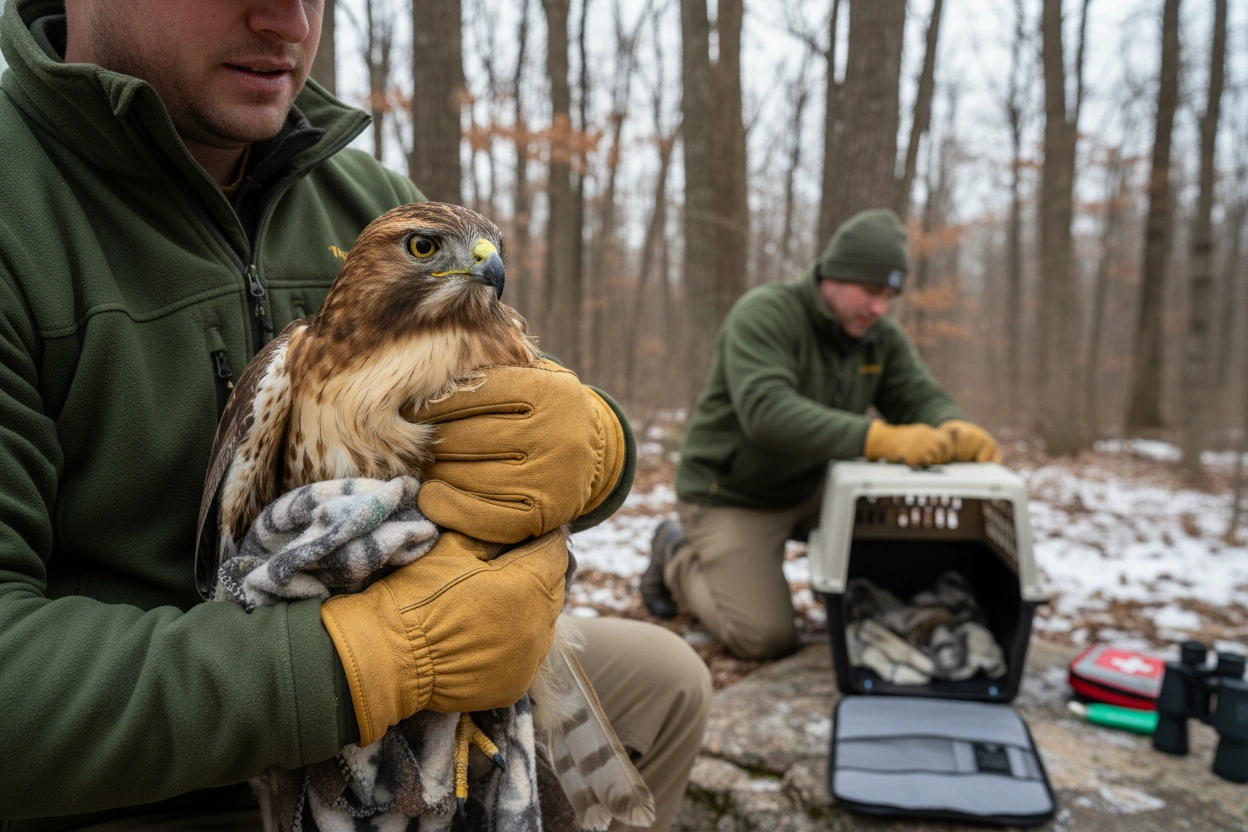
The rescue of injured or orphaned birds of prey is often the first step in a complex rehabilitation journey. This process begins when a concerned citizen or wildlife professional identifies a raptor in distress. Understanding the initial steps involved can help ensure that the bird receives the appropriate care as quickly as possible.
Not every sighting of a bird of prey indicates a need for intervention. To determine whether a bird requires assistance, consider the following factors:
If you determine that a bird of prey needs assistance, contacting a licensed wildlife rehabilitator or local wildlife authority is crucial. These professionals have the expertise and resources to handle birds safely and effectively. When making contact, provide as much information as possible, including:
These details can significantly influence the response and care the bird receives.

Once a bird of prey is rescued, the rehabilitation process begins. This phase is critical for the recovery of the bird and involves a series of steps designed to restore its health and prepare it for eventual release back into the wild.
Upon arrival at a rehabilitation facility, birds of prey undergo a thorough medical assessment. This includes:
Proper nutrition is vital for the recovery of birds of prey. Each species has specific dietary needs, which rehabilitators must meet. Common practices include:
Creating a suitable environment for rehabilitation is essential. This involves:
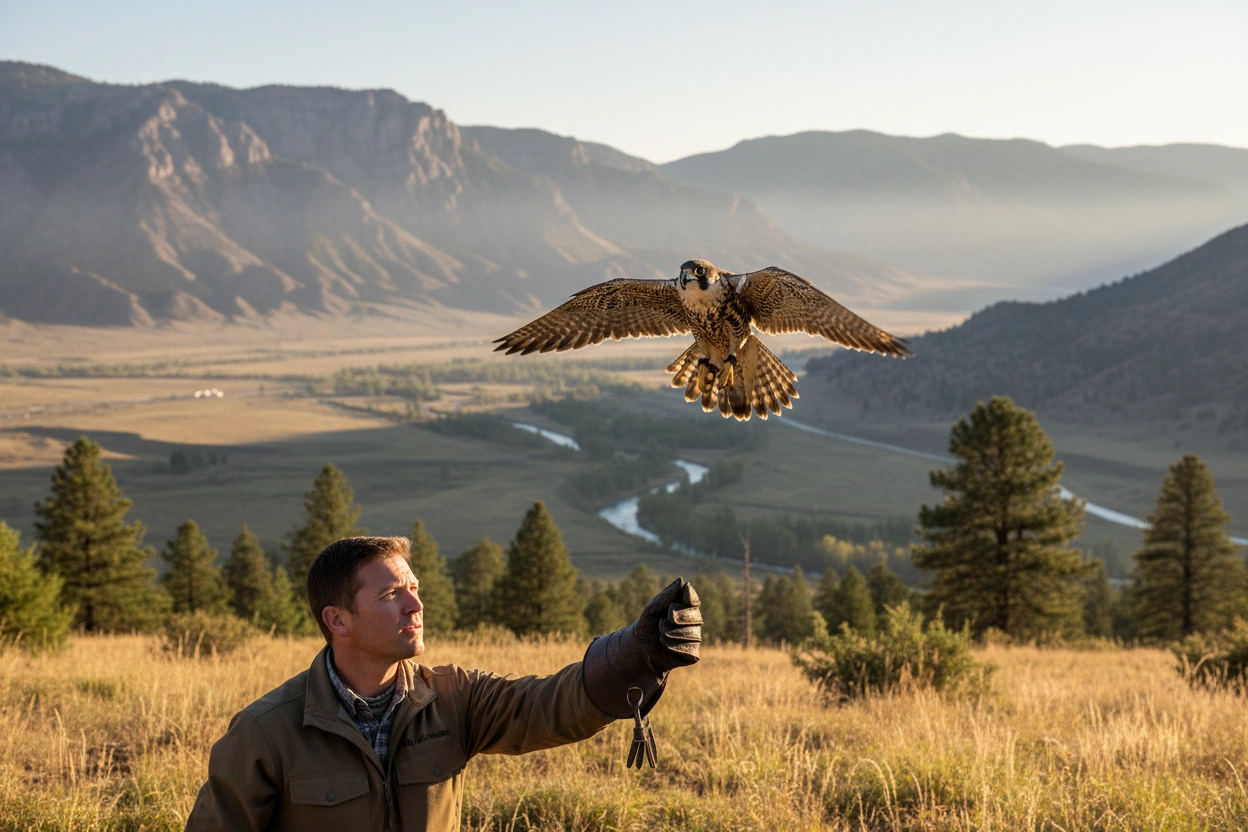
The ultimate goal of rehabilitation is to release the bird back into its natural habitat. This phase requires careful planning and execution to ensure a successful transition.
Before release, rehabilitators conduct a final assessment to determine if the bird is ready to return to the wild. Key considerations include:
Selecting an appropriate release site is critical for the bird’s long-term success. Factors to consider include:
Observing birds of prey in their natural habitats can be an exhilarating experience. However, it is essential to engage in responsible observation practices to protect these majestic creatures and their environments.
Maintaining a respectful distance is crucial when observing birds of prey. Use binoculars or a spotting scope to enjoy their beauty without disturbing them. Approach with caution and avoid sudden movements that could startle the birds.
Nesting birds are particularly vulnerable. If you encounter a nest, keep the following in mind:
If you observe a bird of prey that appears injured or in distress, report it to local wildlife authorities. Provide detailed information to assist in the rescue process.
Understanding birds of prey rehabilitation often involves debunking several misconceptions that can hinder effective wildlife management.
Not all birds of prey can be handled safely. Some species, particularly those with strong defensive instincts or sharp talons, require specialized training to manage. It is crucial for the safety of both the bird and the handler that only trained professionals engage directly with these animals.
While rehabilitation significantly improves a bird's chances of survival, it does not guarantee success. Factors such as the severity of injuries, age, and environmental conditions play critical roles in the bird's ability to thrive post-release.
While it may be tempting to feed wild birds of prey, doing so can disrupt their natural hunting instincts and lead to dependency on human-provided food sources. It is essential to allow these birds to hunt and forage naturally.
Education and community engagement play pivotal roles in the successful rehabilitation of birds of prey. By fostering a greater understanding of these birds and their needs, communities can contribute to their conservation.
Participating in local workshops and educational programs can enhance knowledge about birds of prey. These initiatives often cover:
Engaging with local wildlife rehabilitation centers as a volunteer can provide hands-on experience and insight into the rehabilitation process. Volunteers may assist with:
As birds of prey face numerous threats, including habitat loss, climate change, and human interference, conservation efforts are more crucial than ever. Supporting these initiatives can help ensure the survival of these magnificent creatures for future generations.
Advocating for policies that protect birds of prey and their habitats is essential. This can involve:
Partnering with organizations dedicated to wildlife conservation can amplify efforts to protect birds of prey. These collaborations often involve:
The future of birds of prey rehabilitation hinges on a collective commitment to education, responsible observation, and active participation in conservation efforts. As individuals and communities, we have the power to impact these magnificent creatures positively.
By understanding the intricacies of the rescue and release process, we can ensure that birds of prey not only survive but thrive in their natural habitats. The insights shared in this article provide a foundation for responsible engagement with these birds and encourage ongoing support for wildlife rehabilitation efforts.
At Banana Slug Club, we are dedicated to raising awareness about the importance of birds of prey and their conservation. By fostering education and community engagement, we aim to empower individuals to take action in support of wildlife rehabilitation.
For those looking to deepen their understanding of birds of prey and contribute to their conservation, we invite you to explore our resources and participate in our programs. Together, we can make a meaningful difference in the lives of these incredible raptors.
To learn more about how you can get involved, visit Banana Slug Club today. Your support can help ensure a brighter future for birds of prey and the ecosystems they inhabit.
Get free resources, early access to new features and updates.
No spam. Just fun educational emails!


.svg)
.svg)