Caring for reptiles can be a rewarding experience, but it also comes with a unique set of responsibilities. Reptiles, including snakes, lizards, and turtles, require specific environments and diets to thrive. Understanding their needs is essential for both the health of your pet and your peace of mind as a responsible owner. This guide aims to equip beginners with essential reptile care tips and insights into creating a safe and nurturing habitat for these fascinating creatures.

Before bringing a reptile into your home, it is crucial to understand their natural habitats. Each species has adapted to specific environmental conditions, which you need to replicate in captivity.
Reptiles inhabit a variety of ecosystems, including deserts, forests, and wetlands. Here are some examples of common reptiles and their natural environments:
Understanding the specific habitat needs of your reptile will guide you in creating a suitable living space. For instance, a desert species will require a dry substrate and a heat source, while a rainforest species will need humidity and a variety of climbing structures.
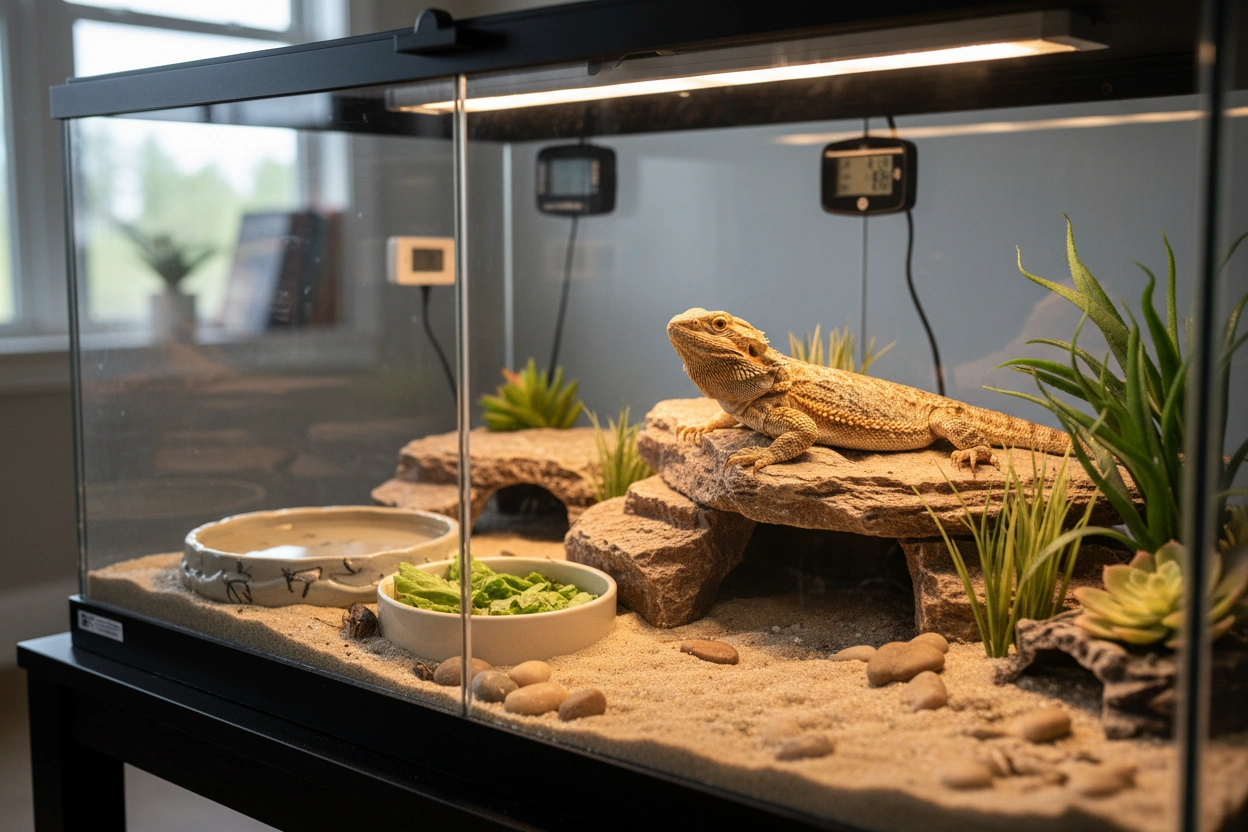
To ensure the health and well-being of your reptile, you must replicate its natural habitat as closely as possible. Here are critical aspects to consider:
Temperature Control: Reptiles are ectothermic, meaning they rely on external heat sources to regulate their body temperature. Use heat lamps or heating pads to create a temperature gradient in the enclosure, allowing your pet to choose its preferred environment.
Humidity Levels: Different species require varying humidity levels. For instance, a ball python needs higher humidity than a bearded dragon. Use hygrometers to monitor humidity and mist the enclosure as needed.
Substrate: The substrate should mimic the natural environment. Options include coconut coir for tropical reptiles, sand for desert dwellers, and newspaper for easy cleaning.
Hiding Spots and Climbing Structures: Reptiles need places to hide and explore. Use rocks, logs, and artificial plants to create a three-dimensional environment that promotes natural behaviors.
By carefully considering these factors, you can create a habitat that not only meets your reptile's needs but also enhances its quality of life.
Caring for reptiles involves more than just providing a suitable habitat. Here are key reptile care tips to ensure your pet thrives.
Feeding your reptile the right diet is crucial for its health. Different species have different dietary needs, which can be broken down into three categories:
Research the dietary needs of your specific reptile species to avoid malnutrition or obesity. Always provide fresh water, and clean food and water dishes regularly to prevent contamination.
Regular health checks are vital for early detection of potential issues. Here are some signs to monitor:
If you notice any concerning symptoms, consult a veterinarian experienced with reptiles. Regular check-ups can help catch issues early and ensure your reptile remains healthy.
While reptiles are not typically social animals, they can become accustomed to handling with proper techniques. Here are some tips for safe interaction:
Start Slowly: Allow your reptile to acclimate to its new environment for a few weeks before attempting to handle it.
Gentle Handling: When ready to handle your reptile, do so gently and calmly. Support its body fully, avoiding pressure on its limbs.
Respect Their Space: Reptiles may not always want to be handled. Observe their body language and return them to their habitat if they show signs of stress.
Socialization can help your reptile become more comfortable with handling, but always prioritize its comfort and well-being.
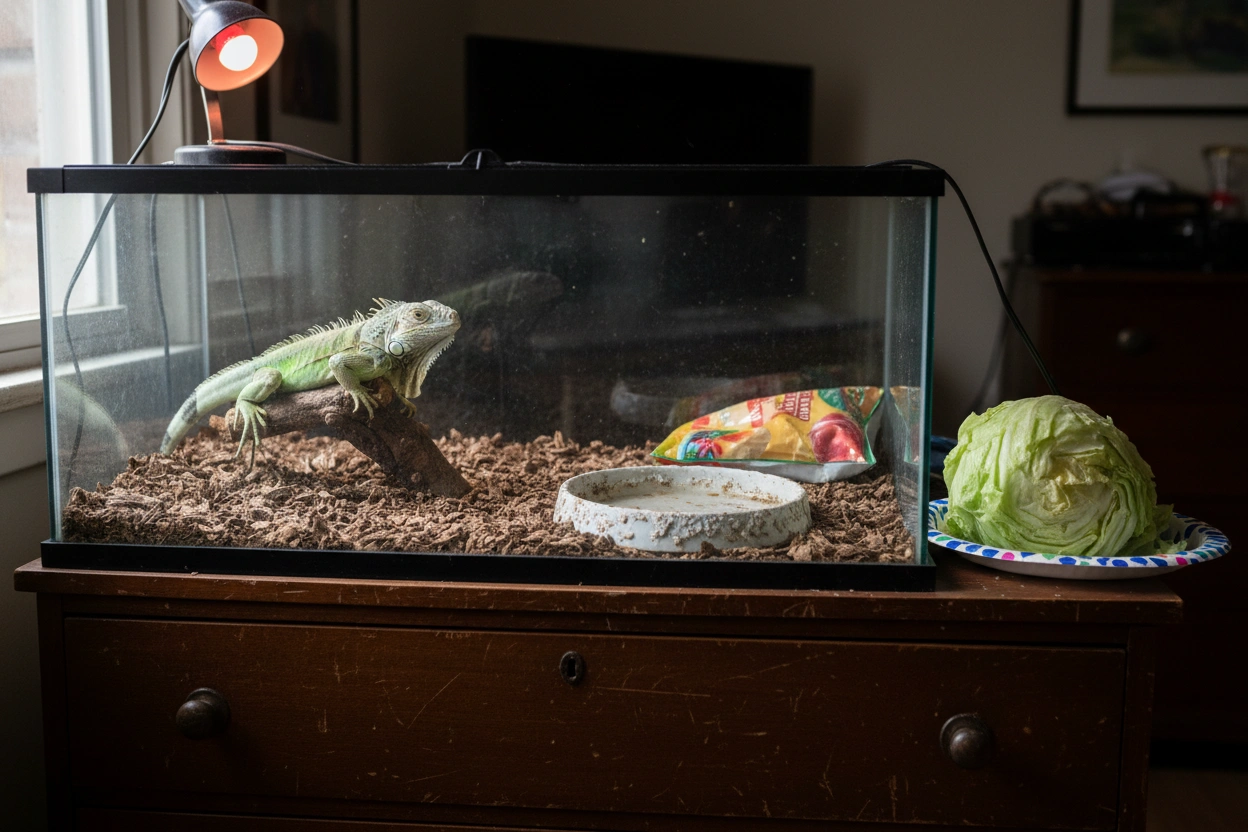
Even experienced reptile owners can make mistakes. Here are some common pitfalls and strategies to avoid them:
One of the most significant mistakes is providing an enclosure that is too small. Reptiles need space to move and explore. When choosing an enclosure, consider the adult size of your reptile and select a habitat that provides ample room for growth.
Failing to maintain appropriate temperature and humidity levels can lead to health issues. Regularly check your heating and humidity equipment, and be prepared to adjust them as necessary.
Not all reptiles have the same care requirements. Research the specific needs of your species before bringing one home. Join online forums or local reptile clubs to connect with experienced owners who can offer valuable insights.
By being aware of these common mistakes, you can create a better living environment for your reptile and enhance its quality of life.
Caring for reptiles is a long-term commitment. To ensure your pet thrives, create a long-term care plan that includes:
Regular Veterinary Visits: Schedule annual check-ups and vaccinations as needed. A reptile-savvy vet can provide invaluable advice and treatment options.
Dietary Planning: Regularly update your pet's diet based on its growth and health needs. Research seasonal availability of fresh foods for optimal nutrition.
Enclosure Maintenance: Plan routine cleaning and habitat upgrades to keep the environment safe and stimulating. Regularly replace substrate and clean decor to prevent bacteria buildup.
By establishing a comprehensive care plan, you can ensure that your reptile remains healthy and happy for years to come.
Caring for reptiles can be a fulfilling journey, but it often requires knowledge, patience, and support. The insights provided in this guide are just the beginning of your adventure in reptile care. Engaging with communities dedicated to reptile enthusiasts can enhance your understanding and provide additional resources.
Banana Slug Club is dedicated to supporting pet owners in their journey. Whether you are just starting or looking to deepen your knowledge, we offer resources and community connections that can assist you.
If you have questions about reptile care or need further guidance, do not hesitate to reach out.
To learn more about caring for reptiles and to connect with a community of like-minded enthusiasts, visit Banana Slug Club. Our resources are designed to help you provide the best care possible for your pet reptiles.
In conclusion, understanding the unique needs of reptiles and committing to their care can lead to a rewarding relationship. By following the tips outlined in this guide and engaging with communities like Banana Slug Club, you can ensure a healthy and fulfilling life for your reptile companions.
Get free resources, early access to new features and updates.
No spam. Just fun educational emails!


.svg)
.svg)