The plight of endangered animals is a pressing global issue, reflecting the delicate balance of our ecosystems. As of 2026, the numbers of species facing extinction continue to rise, creating a clarion call for conservation efforts worldwide. Understanding the factors that contribute to the decline of these species is essential for effective intervention and education. This article will explore ten critical facts about endangered animals, highlighting their current status, the challenges they face, and the importance of conservation efforts.
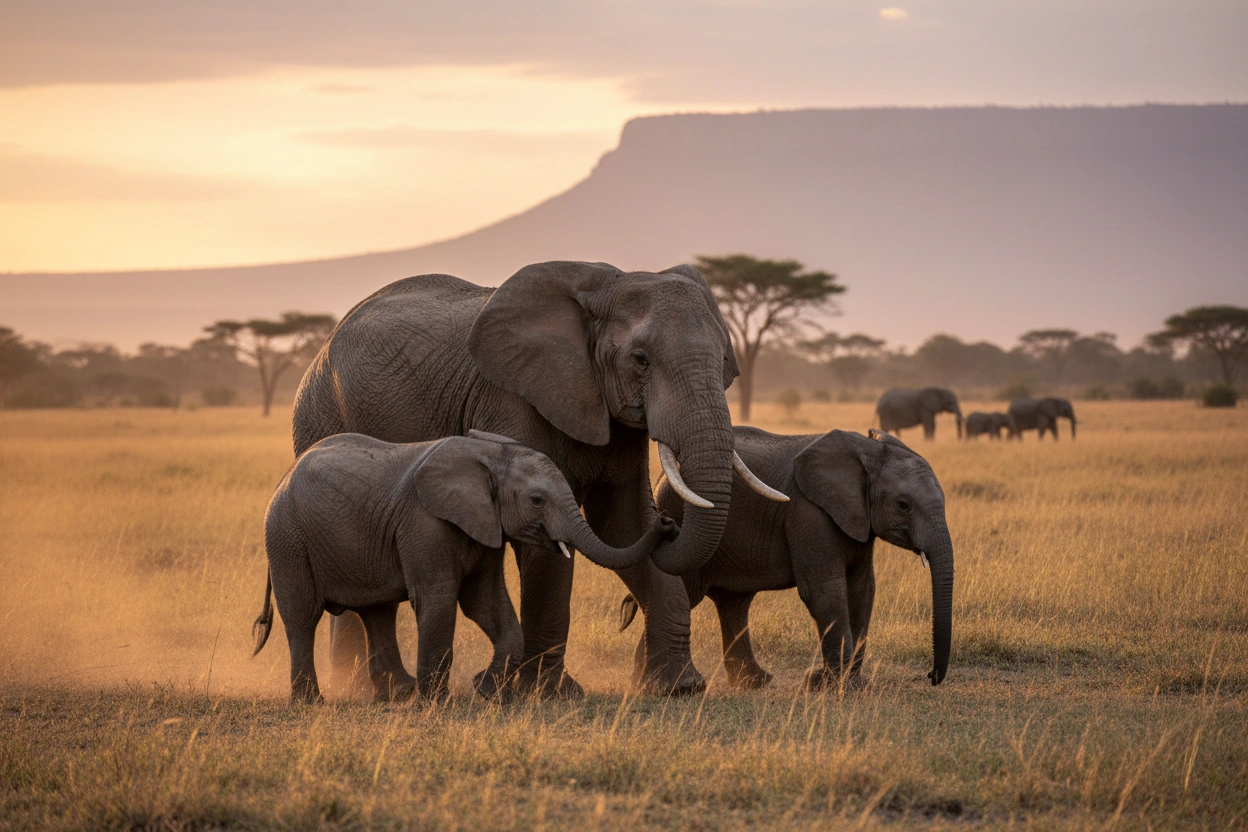
Endangered animals are species that are at risk of extinction due to a variety of factors, including habitat loss, climate change, poaching, and invasive species. According to the International Union for Conservation of Nature (IUCN), over 37,000 species are currently listed as threatened or endangered. This statistic underscores the urgency of addressing the myriad challenges these animals face.
Biodiversity is crucial for maintaining healthy ecosystems, which in turn supports human life. Endangered animals play significant roles in their habitats, such as pollination, seed dispersal, and maintaining food webs. The loss of any species can have cascading effects on the ecosystem, ultimately affecting human health, agriculture, and climate regulation.
Conservation efforts are essential not only for preserving endangered animals but also for sustaining the environments they inhabit. These initiatives include habitat restoration, legal protections, and public education campaigns. Successful conservation can lead to the recovery of endangered species, as seen with the American bald eagle and the gray wolf.
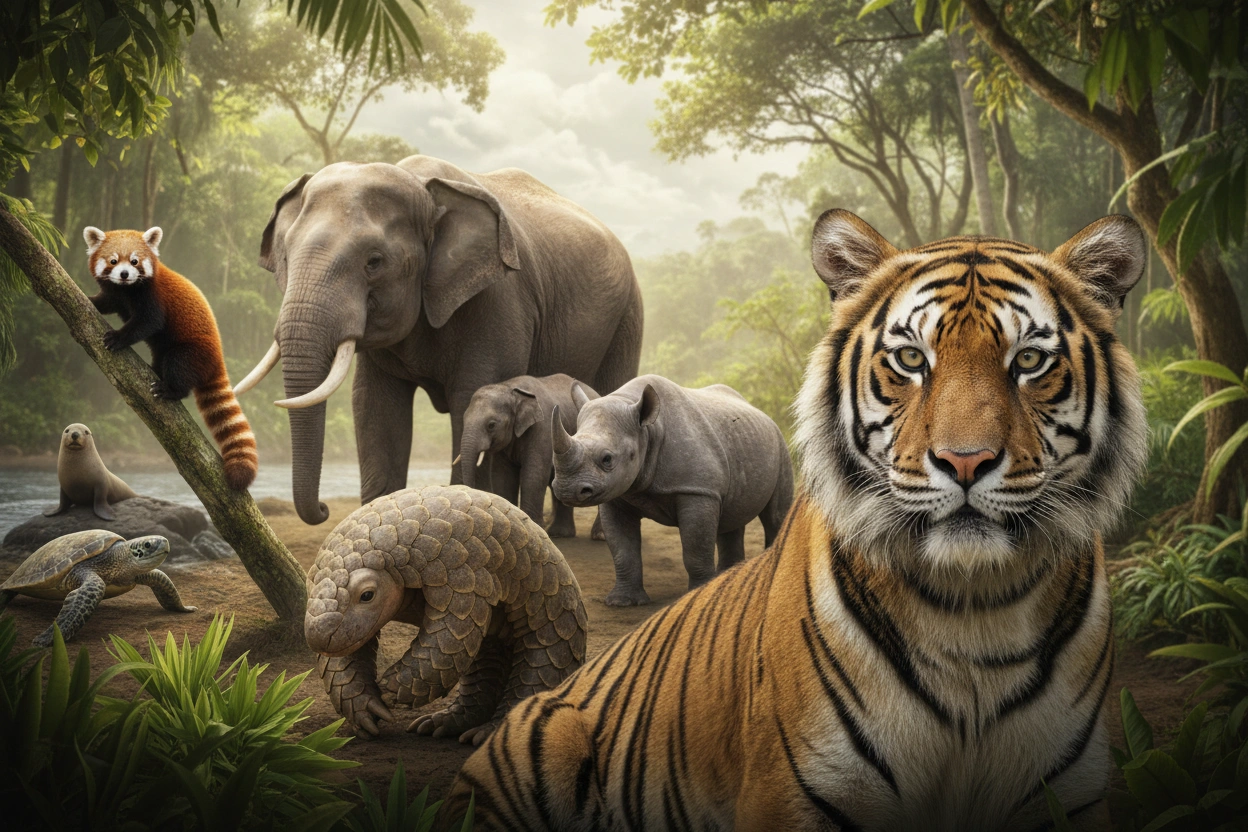
Understanding the specific animals that are endangered can help raise awareness and support for conservation efforts. Here are ten must-know endangered species and the reasons behind their decline.
The Amur leopard is one of the rarest big cats in the world, with only around 100 individuals remaining in the wild. Habitat loss due to logging and human encroachment, coupled with poaching, has led to its critical status. Conservation programs focused on habitat protection and anti-poaching measures are vital for its survival.
The vaquita is a small porpoise found only in the northern part of the Gulf of California. With fewer than 30 individuals left, it is the most endangered marine mammal. The primary threat to the vaquita is bycatch in illegal gillnets used for fishing another endangered species, the totoaba fish. Efforts to ban these nets and protect their habitat are crucial.
The Javan rhino, with less than 80 individuals remaining, is critically endangered primarily due to habitat destruction and poaching. Conservationists are focusing on protecting the Ujung Kulon National Park in Indonesia, which is the last refuge for this species. Continuous monitoring and anti-poaching patrols are essential for their survival.
With an estimated population of only 14,000, the Sumatra orangutan faces significant threats from deforestation and habitat fragmentation due to palm oil plantations. Conservation efforts are centered on habitat preservation and creating wildlife corridors to connect fragmented areas.
The Sumatran tiger is the smallest and most critically endangered tiger subspecies, with fewer than 400 individuals left. Their decline is attributed to habitat loss, poaching, and conflicts with humans. Anti-poaching initiatives and habitat restoration are key strategies for their conservation.
The northern white rhino is on the brink of extinction, with only two females left. Poaching for their horns has decimated their population. Conservationists are exploring advanced reproductive technologies, such as in vitro fertilization, to save the species from extinction.
The kakapo is a flightless parrot native to New Zealand, with only about 250 individuals remaining. Predation by introduced species and habitat destruction are the main threats. Intensive conservation programs, including breeding and habitat restoration, have shown promising results in increasing their numbers.
Mountain gorillas have seen a population increase thanks to concerted conservation efforts, but they remain endangered with around 1,000 individuals. Threats include habitat loss and poaching. Community-based conservation initiatives are essential for their protection, as local communities are engaged in sustainable tourism.
Asian elephants are classified as endangered due to habitat loss, human-wildlife conflict, and poaching. There are approximately 40,000 to 50,000 left in the wild. Conservation efforts focus on habitat preservation, anti-poaching measures, and community engagement to mitigate conflicts.
The blue whale, the largest animal on the planet, is endangered due to historical whaling and ongoing threats from ship strikes and entanglement in fishing gear. With a population of around 10,000 to 25,000, conservation efforts include international protection and monitoring of their migratory patterns.
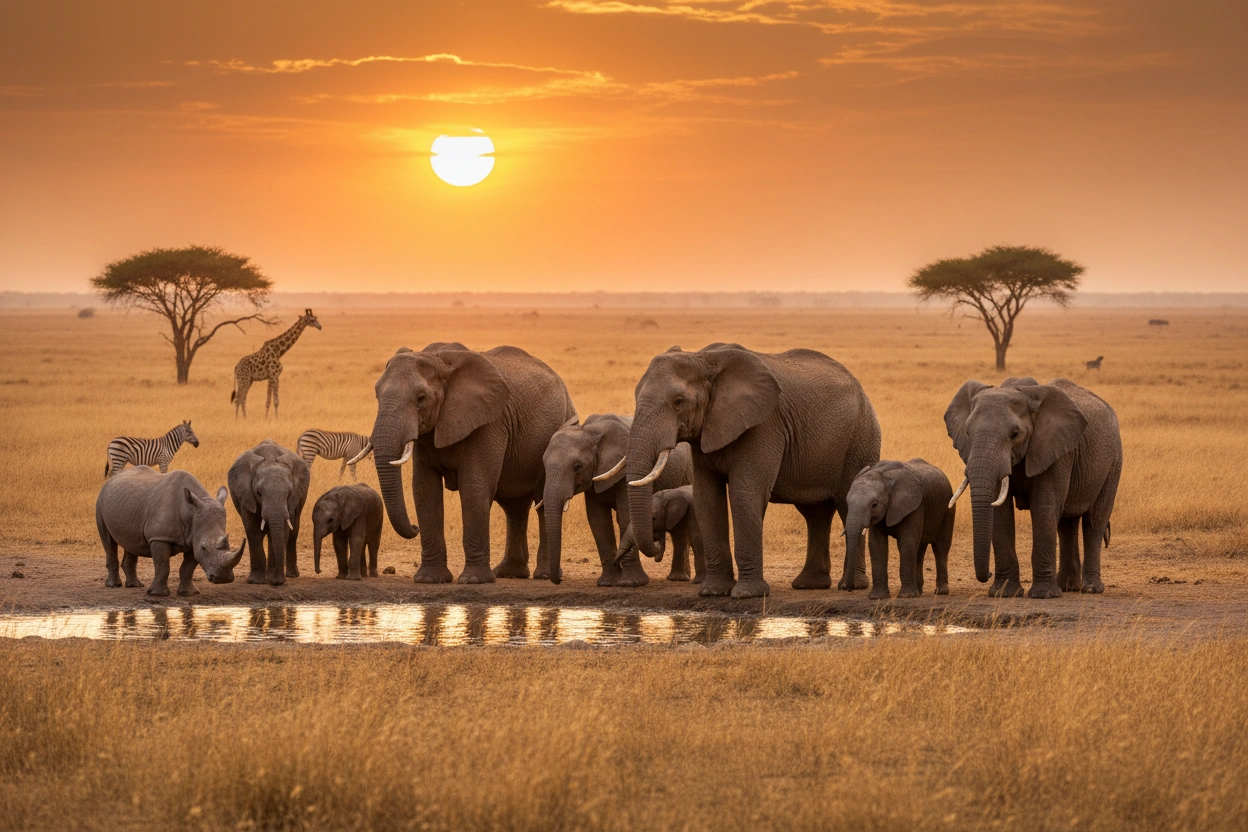
Understanding the realities of endangered animals can help combat misconceptions that hinder conservation efforts. Here are some common myths and the truths behind them.
Many people believe that endangered species issues are limited to remote areas, ignoring the fact that numerous species are threatened in their own backyards. Urban expansion, pollution, and habitat destruction occur worldwide, affecting local wildlife. It is crucial to recognize that conservation is a global issue that requires local action.
Another misconception is that conservation efforts are futile. While challenges exist, many species have rebounded due to targeted conservation strategies. Success stories like the American bald eagle and the gray wolf demonstrate that with the right interventions, endangered animals can recover.
While all endangered animals face threats, the specifics of their situations can vary greatly. Factors such as habitat type, reproduction rates, and human interactions differ among species, making tailored conservation strategies essential.
Conservation efforts play a pivotal role in reversing the decline of endangered animals. These initiatives encompass a wide range of activities aimed at preserving species and their habitats.
One of the most effective conservation strategies is habitat protection. Establishing protected areas, such as national parks and wildlife reserves, helps safeguard critical habitats from development and exploitation. Legal protections also ensure that these areas remain intact for future generations.
Strong environmental policies and laws are essential for protecting endangered animals. Advocacy efforts can lead to the establishment of legal protections, such as the Endangered Species Act in the United States, which provides a framework for the conservation of threatened species.
Engaging local communities in support conservation efforts is crucial for success. When communities understand the value of biodiversity and are involved in conservation activities, they are more likely to support and participate in initiatives that protect endangered animals. Education and awareness programs can foster a sense of stewardship among local populations.
Ongoing research and monitoring are vital for understanding the status of endangered animals and the effectiveness of conservation efforts. Data collection helps inform management strategies and can lead to adaptive management practices that respond to changing conditions.
The future of endangered animals depends on collective action and commitment to conservation. While the challenges are significant, there is hope through innovative solutions and collaborative efforts.
New technologies, such as drone surveillance for anti-poaching efforts and genetic research for breeding programs, are paving the way for more effective conservation strategies. Utilizing these advancements can enhance the ability to protect endangered species.
International cooperation is essential for addressing the transboundary nature of many conservation challenges. Collaborative efforts, such as those seen in the Convention on Biological Diversity, aim to unite countries in the fight against biodiversity loss.
Education plays a crucial role in fostering a culture of conservation. By teaching young people about the importance of biodiversity and the plight of endangered animals, we can inspire future generations to prioritize conservation efforts.
The fight to save endangered animals is not solely the responsibility of conservation organizations; it requires the involvement of individuals and communities worldwide. Organizations like the Banana Slug Club are dedicated to fostering awareness and action around environmental issues, including the protection of endangered species.
By participating in local conservation efforts, advocating for policies that protect wildlife, and supporting organizations focused on preserving biodiversity, individuals can make a tangible difference. The knowledge gained about endangered animals and their ecosystems empowers communities to take action and advocate for change.
If you are passionate about protecting endangered animals and want to contribute to conservation efforts, consider getting involved with Banana Slug Club. Whether through volunteering, participating in local clean-ups, or supporting educational initiatives, your actions can help foster a healthier planet for all species.
To learn more about how you can make a difference, visit Banana Slug Club today and join the movement to protect endangered animals and their habitats. Together, we can ensure a future where these magnificent creatures thrive alongside us.
Get free resources, early access to new features and updates.
No spam. Just fun educational emails!


.svg)
.svg)