Comparing Popular Reptile Species: Which Pet Is Best for You?
Choosing a pet is a significant decision that involves considering various factors, including lifestyle, space, and the level of care required. Among the diverse options available, reptiles have gained popularity due to their unique characteristics and relatively low maintenance compared to traditional pets like cats and dogs. In this article, we will explore common reptiles as potential pets, delve into the characteristics of popular species, and even highlight the top ten endangered reptile species and their conservation status. By the end, you will have a clearer understanding of which reptile may be the best fit for your lifestyle.
Understanding Reptiles as Pets
Reptiles are cold-blooded animals belonging to the class Reptilia, which includes snakes, lizards, turtles, and tortoises. They offer a fascinating alternative to conventional pets, appealing to both novice and experienced pet owners. One of the primary advantages of reptiles is their generally lower maintenance requirements, such as less frequent feeding and minimal grooming. However, potential owners should be aware of specific needs regarding habitat, temperature, and diet.
Benefits of Owning Reptiles
- Low Maintenance: Compared to cats and dogs, reptiles require less daily attention. Most species need feeding only a few times a week, making them ideal for busy individuals.
- Unique Companionship: Reptiles can provide a unique companionship experience. They exhibit interesting behaviors and can be quite interactive, especially certain lizards and snakes.
- Space Efficiency: Many reptiles do not require large living spaces. A well-maintained terrarium can be sufficient for smaller species.
Common Misconceptions About Reptiles
Despite their rising popularity, several misconceptions about reptiles persist:
- They Are Not Friendly: While some reptiles can be more aloof than mammals, many species can become quite tame with regular handling.
- They Are Dangerous: Most reptiles are harmless to humans. Understanding the specific needs and behaviors of each species can alleviate fears.
- They Require Minimal Care: Although reptiles are easier to care for than some pets, they still require specific environments, diets, and health checks.
Popular Reptile Species for Pet Owners
If you're considering adding a reptile to your household, it’s important to choose a species that aligns with your lifestyle and experience level. Below are some of the most popular reptiles kept as pets, along with their specific care requirements and characteristics.
1. Bearded Dragon
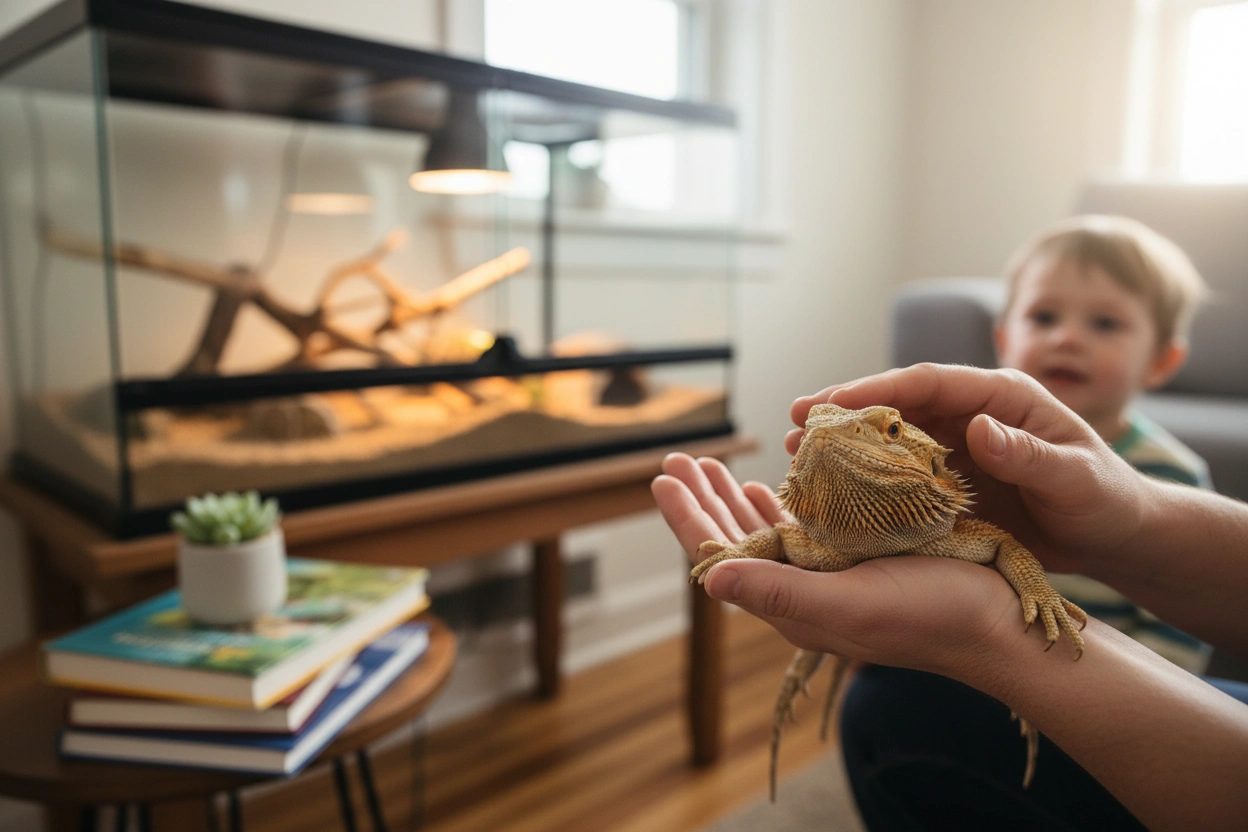
Bearded dragons are one of the most popular reptiles among pet owners. These lizards are known for their friendly demeanor and ease of care.
- Habitat: They require a spacious terrarium with a basking area and UVB light.
- Diet: Their diet consists of insects and vegetables, requiring a balanced approach to nutrition.
- Temperament: Generally, bearded dragons are known to be social and enjoy interaction with their owners.
2. Ball Python
The ball python is a favorite among snake enthusiasts due to its manageable size and calm nature.
- Habitat: A 20-gallon tank is suitable for juveniles, with larger tanks needed as they grow.
- Diet: They primarily eat rodents, which can be fed frozen or live depending on owner preference.
- Temperament: Ball pythons are known for their docile nature, making them great for beginners.
3. Leopard Gecko
Leopard geckos are another excellent choice for first-time reptile owners, known for their vibrant colors and easy care.
- Habitat: They thrive in a 20-gallon terrarium with hiding spots and a heat source.
- Diet: Their diet mainly consists of crickets and mealworms.
- Temperament: These geckos are friendly and can be handled without stress.
4. Red-Eared Slider
For those interested in aquatic reptiles, the red-eared slider is a popular option.
- Habitat: They need a large aquarium with both swimming and basking areas.
- Diet: They are omnivorous and require a mix of aquatic plants and protein sources.
- Temperament: While they can be a bit skittish, they can also become accustomed to handling.
5. Corn Snake
Corn snakes are renowned for their colorful patterns and gentle nature, making them suitable for beginners.
- Habitat: A 20-gallon tank is sufficient for adults, with appropriate heating and hiding spots.
- Diet: They eat rodents and can be fed live or frozen options.
- Temperament: Corn snakes are generally docile and easy to handle.
6. Crested Gecko
Crested geckos are known for their unique appearance and ease of care.
- Habitat: They require a tall terrarium to accommodate their climbing behavior.
- Diet: Their diet can include commercial gecko food, fruits, and insects.
- Temperament: These geckos are friendly and can be handled with minimal stress.
7. Sulcata Tortoise
The Sulcata tortoise is one of the largest tortoise species, known for its longevity.
- Habitat: They need a spacious outdoor enclosure or a large indoor habitat.
- Diet: Their diet consists primarily of grasses and hay.
- Temperament: Sulcata tortoises can be friendly but require a lot of space and commitment.
8. Russian Tortoise
The Russian tortoise is smaller and easier to care for compared to the Sulcata, making it a great pet choice.
- Habitat: A tortoise table or large enclosure with hiding spots is ideal.
- Diet: They thrive on leafy greens and vegetables.
- Temperament: Russian tortoises are generally docile and can be handled gently.
9. Chameleon
Chameleons are known for their vibrant colors and ability to change color.
- Habitat: They require a tall terrarium with plenty of foliage for climbing and hiding.
- Diet: Their diet includes insects and should be supplemented with vitamins.
- Temperament: They can be more challenging to handle and prefer minimal stress.
10. Green Iguana
Green iguanas are large lizards that require more space and care than other reptiles.
- Habitat: They need a large enclosure with climbing opportunities and UVB lighting.
- Diet: They are herbivorous and require a diet of leafy greens and vegetables.
- Temperament: Iguanas can be territorial and require careful handling.
Top 10 Endangered Reptile Species and Their Conservation
While many reptiles make excellent pets, numerous species are facing threats in their natural habitats. Understanding these endangered reptiles is crucial for promoting conservation efforts. Below are ten endangered reptiles and insights into their conservation status.
1. Hawksbill Sea Turtle
Hawksbill turtles are critically endangered due to habitat loss, poaching, and climate change.
- Conservation Efforts: Organizations are working to protect nesting sites and reduce illegal trade.
2. Yangtze Giant Softshell Turtle
This species is on the brink of extinction, with only a few known individuals remaining.
- Conservation Efforts: Breeding programs are in place to increase their population.
3. Gharial
The gharial, a fish-eating crocodilian, is critically endangered due to habitat destruction and fishing nets.
- Conservation Efforts: Habitat protection and breeding programs are being implemented.
4. Bornean Pygmy Elephant
Though primarily known as elephants, these animals are closely related to certain reptiles and share habitat concerns.
- Conservation Efforts: Habitat preservation and anti-poaching initiatives are critical.
5. Philippine Crocodile
This species is critically endangered due to habitat loss and hunting.
- Conservation Efforts: Captive breeding and awareness campaigns are underway to protect the species.
6. Madagascar Radiated Tortoise
Madagascar's radiated tortoise faces threats from poaching and habitat destruction.
- Conservation Efforts: Local conservation groups are working on habitat restoration and protection.
7. Cuban Crocodile
With its population dwindling, the Cuban crocodile faces threats from habitat loss and hybridization.
- Conservation Efforts: Conservation programs focus on habitat protection and breeding.
8. Pygmy Rattlesnake
This species is threatened by habitat loss and human encroachment.
- Conservation Efforts: Habitat protection and research initiatives are being conducted.
9. Centralian Rough Knob-tail Gecko
This Australian gecko is facing threats from habitat destruction.
- Conservation Efforts: Conservationists are working to restore its natural habitat.
10. Eastern Indigo Snake
Once widespread, the eastern indigo snake is now threatened due to habitat loss.
- Conservation Efforts: Habitat restoration and protection programs are being implemented to aid recovery.
Making an Informed Decision
Selecting the right reptile species involves careful consideration of various factors, including your lifestyle, experience level, and the specific needs of the reptile. Here are essential steps to guide your decision-making process:
- Research thoroughly the different species and their requirements.
- Assess your living space and ensure you can accommodate the reptile’s habitat needs.
- Consider your experience level with reptiles and choose a species that matches your comfort level.
- Evaluate the long-term commitment required for care and maintenance.
By following these steps, you can ensure that you choose a reptile that fits well into your life and that you are prepared to meet its needs.
The Role of Banana Slug Club in Reptile Conservation
Understanding the complexities of reptile care and conservation is vital for both pet owners and enthusiasts. The Banana Slug Club is dedicated to promoting awareness about reptile species, their habitats, and the importance of conservation efforts. By educating the public and encouraging responsible pet ownership, the Banana Slug Club plays a crucial role in ensuring that both pet reptiles and their wild counterparts thrive.
In summary, comparing popular reptile species and understanding their needs can help you make an informed decision about pet ownership. The fascinating world of reptiles offers a diverse array of options, each with unique characteristics and requirements. The Banana Slug Club is here to assist you in your journey, providing resources and insights into responsible reptile care and conservation efforts. For more information and support, visit Banana Slug Club and join our community of reptile enthusiasts.



.svg)
.svg)